 EN
EN

The packaging industry continues to evolve with innovative materials that meet both functional and environmental demands. Among these materials, glassine paper stands out as a versatile, sustainable solution that addresses multiple packaging challenges across various industries. This specialized paper combines transparency, moisture resistance, and grease-proof properties, making it an essential component in modern packaging applications. As businesses increasingly prioritize sustainable packaging solutions, understanding the diverse applications and benefits of this remarkable material becomes crucial for packaging professionals and manufacturers alike.
Understanding Glassine Paper Properties and Manufacturing
Core Characteristics of Glassine Paper
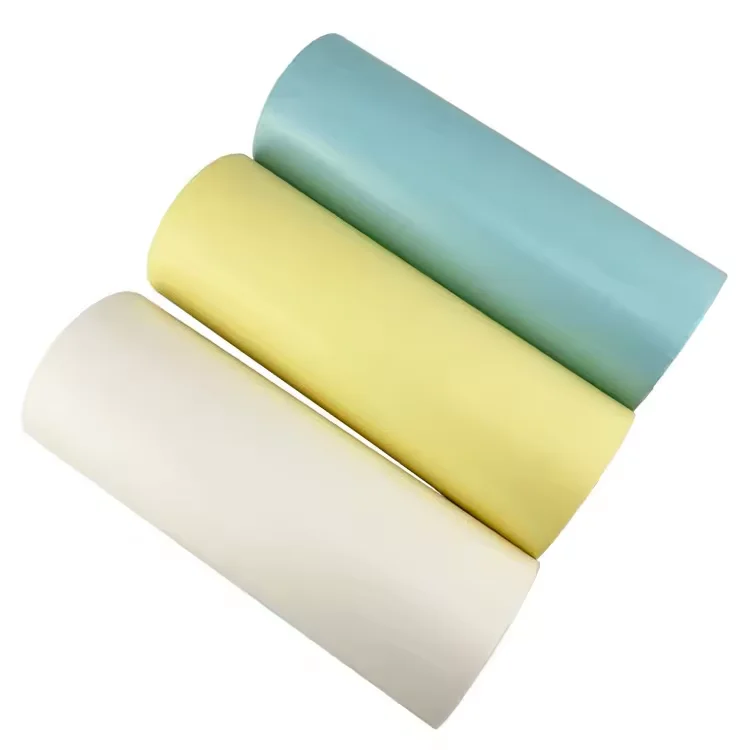
Glassine paper possesses unique characteristics that distinguish it from conventional packaging materials. This specialized paper undergoes a supercalendering process that creates its distinctive smooth, translucent surface with exceptional barrier properties. The manufacturing process involves passing the paper through heated metal rollers under high pressure, which compresses the fibers and creates a dense, non-porous structure. This process results in a material that offers excellent resistance to moisture, grease, and air penetration while maintaining flexibility and printability.
The translucent quality of glassine paper allows for product visibility while providing protection, making it ideal for applications where both display and preservation are important. Its smooth surface accepts various printing methods, including offset, flexographic, and digital printing, enabling brands to incorporate attractive graphics and product information directly onto the packaging material. The paper's neutral pH level ensures that it won't react with packaged contents, maintaining product integrity over extended storage periods.
Manufacturing Process and Quality Standards
The production of high-quality glassine paper requires precise control of multiple variables throughout the manufacturing process. Raw materials typically include bleached chemical pulp that undergoes extensive refining to achieve the necessary fiber structure. The supercalendering process involves multiple passes through heated rollers operating at temperatures between 200-300 degrees Celsius, with pressures reaching several tons per linear inch. This intensive process creates the paper's characteristic density and barrier properties.
Quality control measures throughout manufacturing ensure consistent performance characteristics across different production batches. Testing protocols evaluate moisture resistance, grease penetration, tensile strength, and optical properties to verify that each batch meets specified standards. Modern manufacturing facilities employ advanced monitoring systems to track temperature, pressure, and moisture content throughout the production process, ensuring optimal product quality and performance consistency.
Food Industry Applications and Benefits
Baking and Confectionery Packaging
The food industry represents one of the largest markets for glassine paper, particularly in baking and confectionery applications. Bakeries utilize this material for wrapping pastries, cookies, and delicate baked goods due to its grease-resistant properties and ability to maintain product freshness. The paper's moisture barrier prevents sogginess while allowing the natural texture and appearance of baked goods to remain visible to consumers. Professional bakeries appreciate how glassine paper facilitates easy handling and portion control without compromising product quality.
Confectionery manufacturers rely on glassine paper for packaging chocolates, candies, and other sweet treats that require protection from moisture and external contaminants. The material's smooth surface prevents sticking while its barrier properties preserve flavor and texture integrity. Seasonal confectionery items, such as holiday chocolates and specialty candies, benefit from the paper's ability to maintain product quality during extended display periods and temperature fluctuations.
Fresh Food Preservation and Display
Fresh food applications showcase glassine paper's versatility in maintaining product quality while enabling attractive product presentation. Delicatessens and specialty food retailers use this material for wrapping cheeses, cured meats, and prepared foods that require breathable yet protective packaging. The paper's natural properties allow for proper air circulation while preventing moisture loss and contamination from external sources.
Produce packaging applications leverage glassine paper's ability to extend shelf life without compromising product visibility. Specialty fruits, vegetables, and herbs maintain their freshness and visual appeal when packaged in properly designed glassine paper systems. The material's compatibility with various sealing methods enables retailers to create customized packaging solutions that meet specific product requirements and storage conditions.
Industrial and Manufacturing Applications
Chemical Industry Protection Solutions
Industrial applications of glassine paper extend beyond food packaging into specialized chemical industry uses where barrier properties and chemical resistance are paramount. Manufacturing facilities utilize this material for protecting sensitive components during storage and transportation, particularly items susceptible to moisture damage or contamination. The paper's inert properties ensure compatibility with various chemical formulations and industrial processes without introducing unwanted reactions or contamination.
Chemical manufacturers appreciate glassine paper's role in creating secondary packaging systems that provide additional protection for primary containers. This application proves particularly valuable for powdered chemicals, pharmaceutical ingredients, and specialty compounds that require multiple layers of protection. The material's ability to maintain integrity under various temperature and humidity conditions makes it suitable for diverse industrial environments and storage requirements.
Electronics and Technical Component Protection
The electronics industry has discovered numerous applications for glassine paper in protecting sensitive components during manufacturing, storage, and shipping processes. Circuit boards, semiconductors, and precision instruments benefit from the material's anti-static properties and moisture resistance, which prevent corrosion and electrical interference. Manufacturing facilities use glassine paper as interleaving material between components to prevent scratching and contamination during automated handling processes.
Technical applications extend to protecting optical components, medical devices, and precision instruments where contamination control is critical. The paper's smooth surface minimizes particle generation while its barrier properties maintain controlled environments around sensitive equipment. These applications demonstrate glassine paper's value in high-tech manufacturing processes where product reliability and performance are essential.
Pharmaceutical and Medical Packaging Solutions
Drug Delivery and Protection Systems
Pharmaceutical applications of glassine paper focus on protecting drug formulations while maintaining product efficacy and safety standards. Tablet and capsule packaging systems incorporate glassine paper as barrier layers that prevent moisture infiltration and chemical degradation. The material's compatibility with pharmaceutical-grade adhesives and coatings enables the creation of sophisticated packaging systems that meet regulatory requirements for drug stability and patient safety.
Medical device packaging utilizes glassine paper's sterile barrier properties to maintain product integrity until point of use. Surgical instruments, diagnostic supplies, and disposable medical products benefit from the material's ability to maintain sterile conditions while allowing for easy opening and access. The paper's tear resistance and puncture resistance ensure package integrity throughout the distribution chain, from manufacturing facilities to healthcare providers.
Laboratory and Research Applications
Research laboratories and analytical facilities rely on glassine paper for specimen preservation and sample protection applications. The material's inert properties prevent interference with sensitive analytical procedures while providing necessary barrier protection for biological and chemical samples. Laboratory supply packaging incorporates glassine paper to maintain the purity and stability of reagents, standards, and testing materials throughout their shelf life.
Quality control applications demonstrate glassine paper's importance in maintaining sample integrity during transportation and storage. Environmental testing, pharmaceutical analysis, and food safety laboratories depend on this material to preserve sample characteristics and prevent cross-contamination between different testing protocols. The paper's compatibility with various sterilization methods ensures that laboratory applications meet stringent cleanliness and contamination control requirements.
Sustainable Packaging and Environmental Benefits
Biodegradability and Environmental Impact
Environmental sustainability has become a driving force in packaging material selection, and glassine paper offers significant advantages over synthetic alternatives. The material's wood-fiber base ensures complete biodegradability under appropriate composting conditions, reducing long-term environmental impact compared to plastic packaging materials. Manufacturing processes for glassine paper typically generate lower carbon emissions than synthetic alternatives while utilizing renewable raw materials from responsibly managed forest resources.
Recycling compatibility represents another environmental advantage of glassine paper in packaging applications. The material can be processed through existing paper recycling systems without contaminating other recyclable materials or requiring specialized handling procedures. This compatibility supports circular economy principles and reduces waste stream complications for businesses and consumers committed to sustainable packaging practices.
Renewable Resource Utilization
The renewable nature of glassine paper's raw materials aligns with corporate sustainability goals and environmental stewardship initiatives. Forest management practices supporting glassine paper production often include reforestation programs and sustainable harvesting techniques that maintain ecosystem health while providing necessary raw materials. These practices ensure long-term availability of quality fiber sources while supporting biodiversity and carbon sequestration efforts.
Energy efficiency in glassine paper manufacturing continues to improve through technological advances and process optimization. Modern production facilities incorporate energy recovery systems, waste heat utilization, and renewable energy sources to minimize environmental impact while maintaining product quality and performance standards. These improvements demonstrate the packaging industry's commitment to reducing environmental impact while meeting growing demand for sustainable packaging solutions.
Future Trends and Innovations
Advanced Coating Technologies
Innovation in glassine paper technology focuses on developing advanced coating systems that enhance barrier properties while maintaining environmental sustainability. Researchers are exploring bio-based coatings derived from plant proteins, algae extracts, and other renewable sources that can improve moisture resistance and extend shelf life for packaged products. These developments aim to create packaging solutions that outperform traditional synthetic materials while maintaining complete biodegradability and compostability.
Nanotechnology applications in glassine paper development promise enhanced functionality through microscopic modifications to fiber structure and surface properties. These advances could result in improved barrier performance, antimicrobial properties, and specialized functionality for specific packaging applications. Research initiatives focus on maintaining the material's core environmental benefits while expanding its capability to meet evolving packaging requirements across diverse industries.
Smart Packaging Integration
The integration of smart packaging technologies with glassine paper represents an emerging trend that combines traditional barrier properties with digital functionality. Developers are investigating methods to incorporate sensors, indicators, and communication technologies into glassine paper structures without compromising biodegradability or performance characteristics. These innovations could enable real-time monitoring of package conditions, product freshness, and supply chain tracking while maintaining environmental sustainability.
Digital printing advances continue to expand the possibilities for customization and brand differentiation using glassine paper substrates. High-resolution printing technologies enable complex graphics, variable data printing, and specialized security features that enhance product authentication and brand protection. These capabilities support the growing demand for personalized packaging solutions and anti-counterfeiting measures across various industries utilizing glassine paper packaging systems.
FAQ
What makes glassine paper different from regular paper
Glassine paper differs from regular paper through its unique supercalendering manufacturing process that creates a dense, smooth, and translucent surface with exceptional barrier properties. Unlike standard paper, glassine paper offers superior resistance to moisture, grease, and air penetration while maintaining flexibility and printability. The manufacturing process involves passing paper through heated metal rollers under extreme pressure, which compresses fibers and eliminates porosity, resulting in its characteristic glass-like appearance and protective qualities.
Is glassine paper safe for food contact applications
Yes, glassine paper is considered safe for direct food contact applications when manufactured according to appropriate food safety standards and regulations. The material's neutral pH and inert chemical properties prevent reactions with food products, while its manufacturing process eliminates harmful contaminants that could migrate into packaged foods. Food-grade glassine paper undergoes specific testing protocols to ensure compliance with FDA regulations and international food safety standards, making it suitable for packaging various food products including baked goods, confectionery items, and fresh foods.
How does glassine paper compare to plastic packaging in terms of environmental impact
Glassine paper offers significant environmental advantages over plastic packaging materials due to its renewable raw material base, biodegradability, and recyclability. While plastic packaging can persist in the environment for hundreds of years, glassine paper completely biodegrades under composting conditions within months. The manufacturing process for glassine paper typically generates lower carbon emissions than plastic production, and the material can be processed through existing paper recycling systems. Additionally, the wood-fiber base comes from renewable forest resources, supporting sustainable forestry practices and carbon sequestration efforts.
Can glassine paper be customized with printing and branding
Glassine paper accepts various printing methods including offset, flexographic, digital, and specialty printing techniques, making it highly suitable for custom branding and graphic applications. The smooth surface provides excellent print quality and color reproduction, while the translucent nature creates unique visual effects that enhance brand presentation. Custom printing can include corporate logos, product information, regulatory text, and decorative designs without compromising the material's barrier properties or performance characteristics. Advanced printing technologies enable variable data printing, security features, and specialized inks that meet specific application requirements across different industries.