 EN
EN

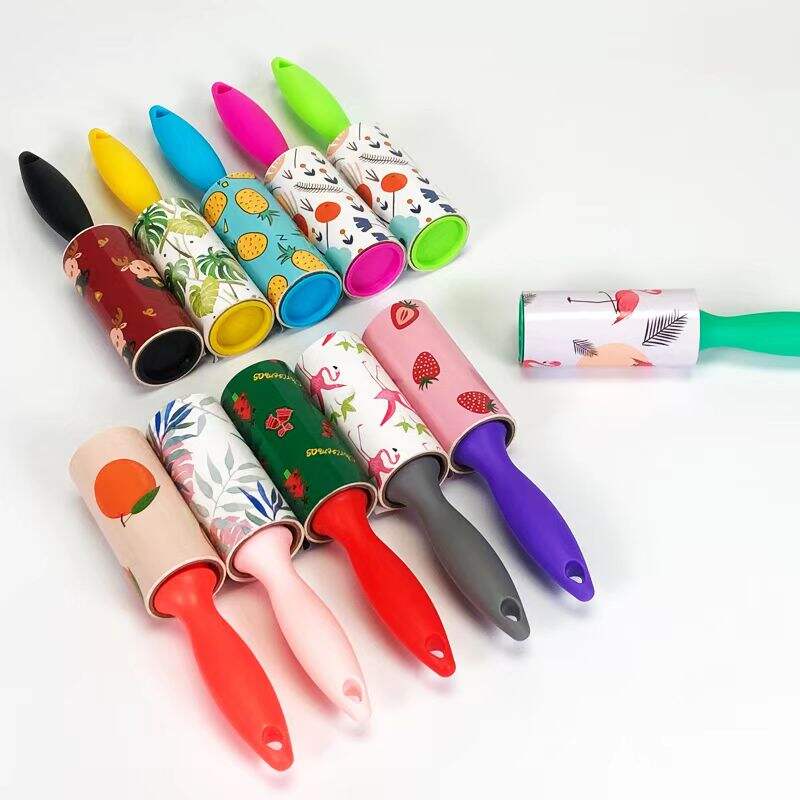
Maintaining a pristine appearance and a clean home environment often comes down to the smallest details. Whether you are preparing for a high-stakes board meeting or tidying up your living room before guests arrive, the sticky lint roller is an indispensable tool that bridges the gap between deep cleaning and quick touch-ups. While the device appears simple—a roll of adhesive paper on a plastic spindle—using it with professional precision can significantly extend the life of your garments and improve the efficiency of your cleaning routine. Understanding the mechanics of adhesive transfer and surface tension allows you to tackle everything from stubborn pet hair to microscopic dust with ease.
Mastering the Directional Stroke Technique
The most common mistake when using a sticky lint roller is applying random, multi-directional pressure. To achieve an elite level of cleanliness, you should always roll in a single, consistent direction. When you roll back and forth rapidly, you risk re-depositing the debris you just picked up back onto the fabric. By moving the roller in one long, downward stroke, you allow the adhesive to fully engage with the fibers, pulling up deeply embedded lint and hair that a frantic scrubbing motion would simply flatten.
This technique is particularly vital for delicate fabrics like wool or silk blends. A single-direction stroke minimizes the friction against the textile fibers, preventing pilling or fraying over time. On structured garments like suit jackets or overcoats, start at the shoulder and work your way down to the hem. This systematic approach ensures that you do not miss any patches of dust, leaving the fabric looking refreshed and professionally groomed. For those dealing with heavy-duty upholstery, applying a firm but even pressure during these long strokes will reach into the weave of the fabric more effectively than quick, light movements.
| Surface Type | Recommended Pressure | Suggested Stroke Length |
| Delicate Silk/Satin | Very Light | Short, controlled 6-inch strokes |
| Woolen Suits & Coats | Moderate | Long, continuous 12-18 inch strokes |
| Denim & Heavy Cotton | Firm | Full-length strokes from seam to seam |
| Upholstered Furniture | High | Overlapping 10-inch segments |
| Car Interiors | High | Targeted, repetitive 5-inch strokes |
Maximizing Adhesive Life Through Layer Management
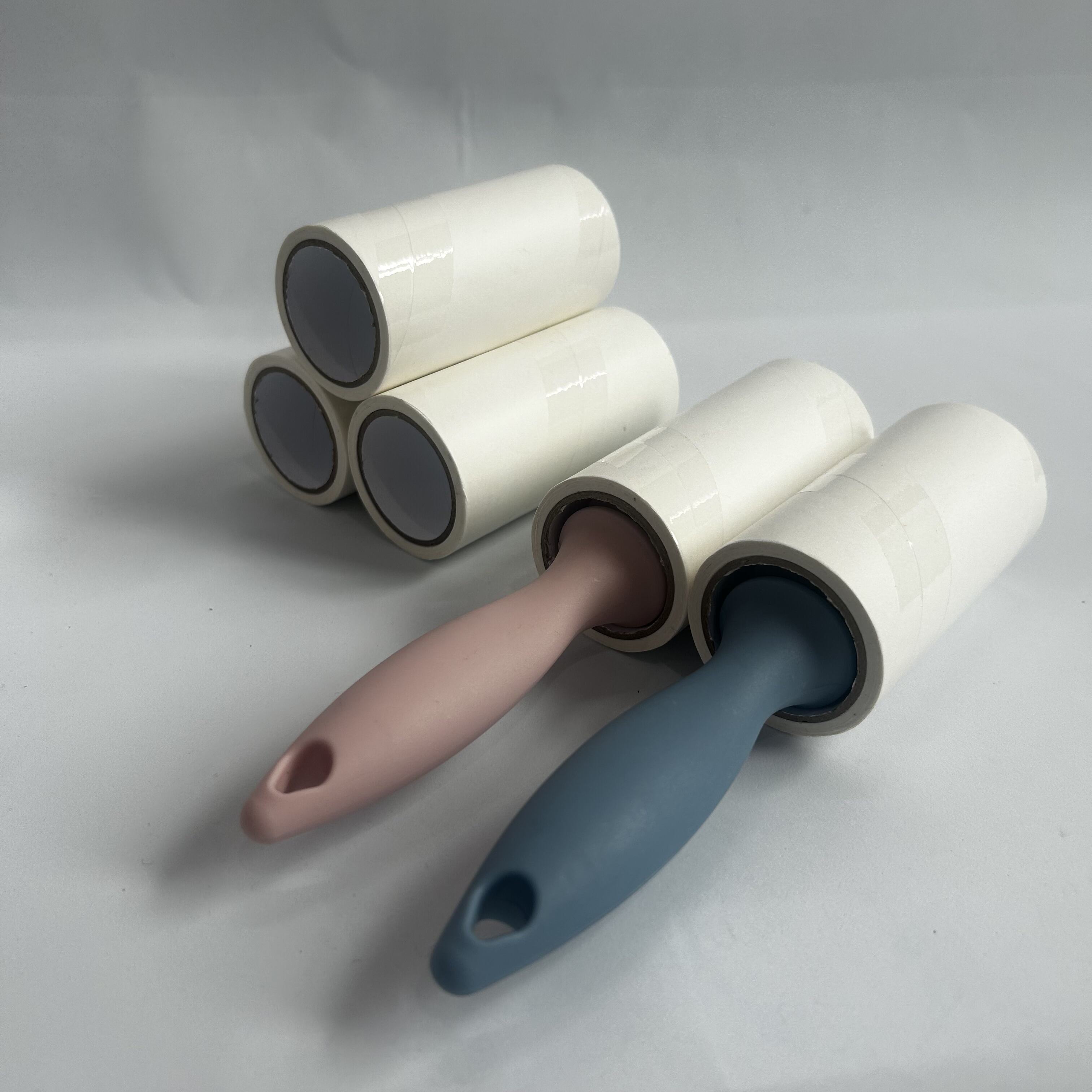
To get the most value out of your sticky lint roller, you must manage the adhesive sheets with strategic timing. Many users wait until the sheet is completely covered in visible debris before peeling it off, but this reduces the roller’s ability to pick up finer particles like dandruff or pollen. A pro tip is to "prime" the sheet by checking the tackiness frequently. Once the sheet loses its primary "grip" sound against the fabric, it is time to reveal a fresh layer. Modern high-quality rollers feature easy-tear spiral cuts, which prevent the frustration of ripping multiple sheets at once or struggling to find the edge.
Furthermore, environmental factors can affect how your adhesive performs. If you are working in a particularly dusty or dry environment, the adhesive may dry out faster. Keeping your roller stored in a dedicated case or a simple plastic bag when not in use prevents the outermost layer from collecting airborne dust, ensuring that the first sheet is always ready for a high-performance cleaning session. This is especially important for travelers who keep a roller in their luggage; preventing the adhesive from sticking to the lining of your suitcase saves both the sheet and your bag's interior.
Integrating Multi-Surface Cleaning Strategies
While primarily associated with clothing, the sticky lint roller is a versatile powerhouse for various household surfaces that a vacuum cannot easily reach. One professional secret is using the roller on lampshades, speaker grilles, and velvet-lined jewelry boxes. These items are notoriously difficult to clean because they are either too fragile for a brush or too intricate for a cloth. The gentle adhesive pulls dust away from these surfaces without the need for water or chemicals, which could cause staining or structural damage.
In the bedroom, the roller serves as an excellent maintenance tool for pillows and headboards. Even with regular laundering, pillows can accumulate dead skin cells and fine hair that invisible to the naked eye but contribute to allergies. A quick daily pass with a lint roller keeps these surfaces hygienic between deep cleans. In the kitchen or dining area, use the roller to pick up small shards of broken glass or spilled dry goods like glitter or salt. The adhesive traps these tiny, dangerous particles that a broom might scatter, making it a safety tool as much as a cleaning one.
Frequently Asked Questions
How often should I change the sheet on my lint roller?
You should change the sheet as soon as you notice a significant decrease in "tackiness." If the roller is gliding too smoothly over the fabric without pulling at the fibers, the adhesive is saturated. For a heavily linted item like a fleece jacket, you may need to use two or three sheets, whereas a quick touch-up on a cotton shirt may only require half the capacity of a single sheet.
Can a sticky lint roller damage my clothes?
When used correctly, a high-quality sticky lint roller is safe for almost all fabrics. However, you should avoid using extremely high-tack rollers on very loose knits or distressed fabrics, as the adhesive could potentially pull at loose threads. For specialty items like sequins or beaded garments, it is always best to perform a "spot test" on an inconspicuous interior seam before proceeding with the full garment.
Is it better to use a lint roller or a lint brush?
A lint brush is excellent for lifting hair and large debris via friction, and it is a sustainable, long-term tool. However, the lint roller is superior for removing fine dust, dandruff, and microscopic allergens that a brush often leaves behind. For the best results, many professionals use a brush first to lift heavy pet hair, followed by a lint roller to achieve a perfectly clean, "high-definition" finish.
How should I store my lint roller to keep it sticky?
The biggest enemy of adhesive is open air and sunlight. Store your roller in a cool, dark place like a closet shelf or a drawer. If your roller did not come with a protective plastic cover, you can wrap a piece of parchment paper or a clean plastic bag around the roll. This prevents the adhesive from drying out or accidentally sticking to other items in your storage space.
Does a lint roller work on pet hair embedded in carpets?
While a lint roller is fantastic for surface hair on rugs and mats, it is not a replacement for a vacuum for deep-pile carpets. It is, however, the perfect tool for "detailing" the edges of stairs and the crevices of car seats where vacuum attachments often struggle to reach. It provides the finishing touch that makes a space look truly professional.