 EN
EN

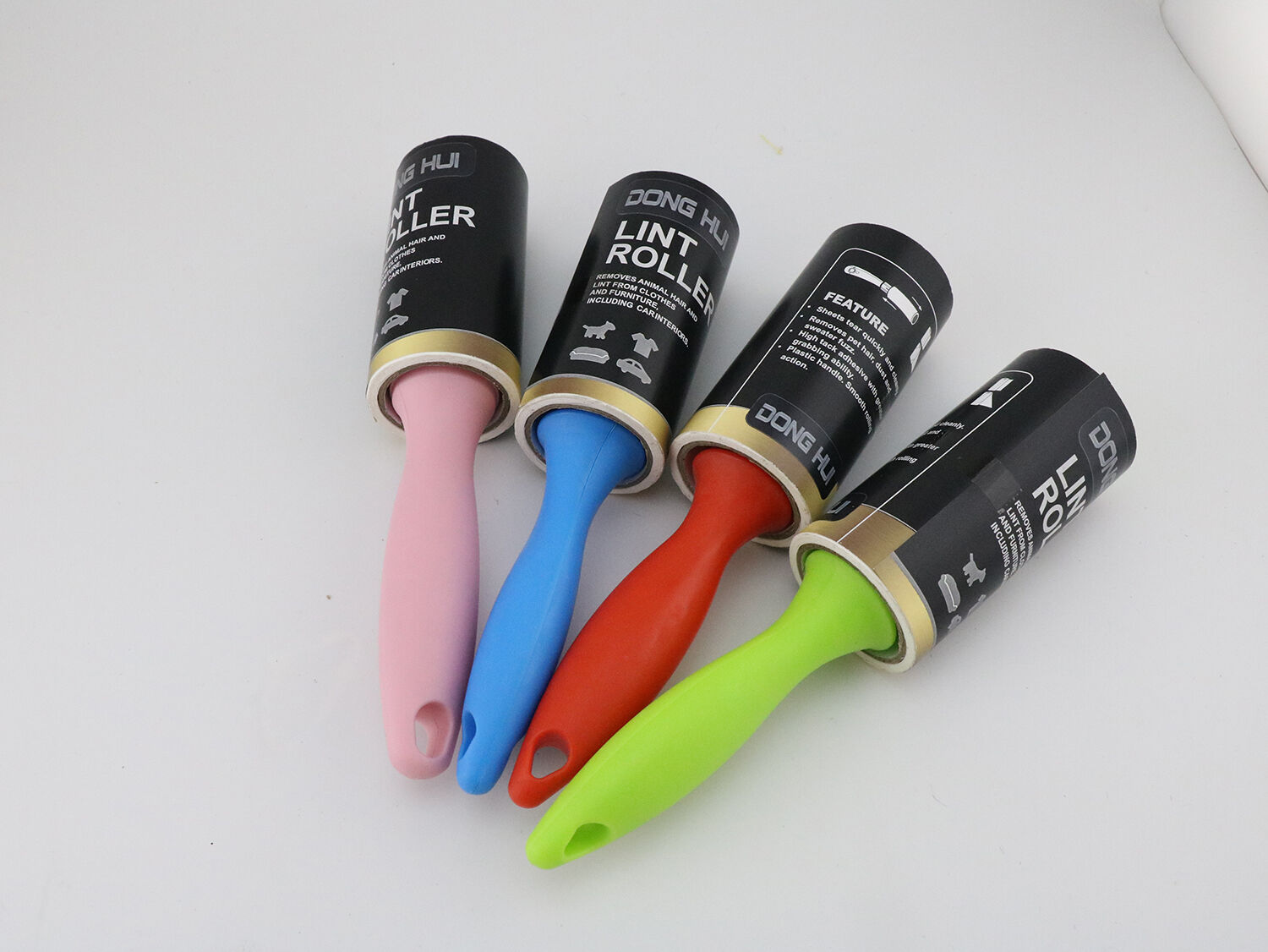
Pet owners constantly battle against the seemingly endless supply of pet hair that accumulates on furniture, clothing, and carpets throughout their homes. While vacuums have long been the go-to solution for deep cleaning, many households are discovering that a pet lint roller offers unique advantages for specific cleaning tasks. Understanding when to use each tool can significantly improve your home's cleanliness and reduce the time spent on pet hair removal. The effectiveness of each method depends largely on the surface being cleaned, the type of pet hair, and the level of convenience required for daily maintenance.
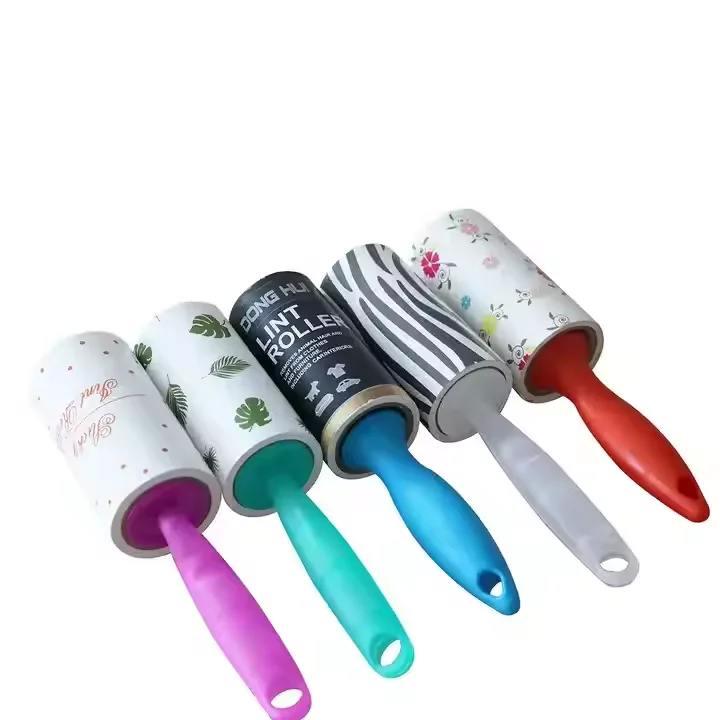
Understanding Pet Hair Challenges in Modern Homes
The Science Behind Pet Hair Adhesion
Pet hair creates static electricity as it moves through the air and settles on various surfaces, making it particularly stubborn to remove from fabrics and upholstery. The microscopic structure of pet hair includes tiny barbs that help it cling to textile fibers, creating a mechanical bond that simple brushing cannot always break. Different pet breeds produce hair with varying thickness and texture, which affects how deeply it embeds into surfaces and determines the most effective removal method.
Static buildup becomes more pronounced in dry environments, causing pet hair to literally jump onto clothing and furniture surfaces. This phenomenon explains why pet owners often find hair in unexpected places, even in rooms where pets rarely venture. Understanding these adhesion principles helps homeowners choose the right cleaning approach for different situations and surfaces.
Common Household Surfaces Affected by Pet Hair
Upholstered furniture presents unique challenges for pet hair removal due to the complex weave patterns in most fabric types. Microfiber, velvet, and corduroy fabrics tend to trap pet hair more aggressively than smooth materials like leather or vinyl. Carpeted areas, particularly those with deep pile or textured surfaces, can harbor significant amounts of pet hair that becomes invisible until disturbed by foot traffic.
Clothing items made from synthetic materials often attract pet hair through static electricity, while natural fibers like cotton and linen may hold hair through mechanical entanglement. Hard surfaces such as hardwood floors and tile may appear easier to clean, but pet hair often accumulates in corners and along baseboards where conventional cleaning tools struggle to reach effectively.
Comprehensive Analysis of Pet Lint Roller Performance
Adhesive Technology and Effectiveness
Modern pet lint roller designs utilize advanced adhesive formulations that provide optimal tackiness without leaving residue on cleaned surfaces. The adhesive strength must balance effectiveness in hair pickup with easy release from the roller backing when sheets are removed. Quality pet lint roller products feature perforated sheets that tear cleanly and consistently, ensuring minimal waste and maximum coverage area per sheet.
The surface texture of pet lint roller sheets plays a crucial role in their effectiveness, with some manufacturers incorporating micro-patterns that increase surface area contact with pet hair. Temperature sensitivity of adhesives means that pet lint roller performance can vary with seasonal changes, typically performing best at room temperature conditions. Professional-grade pet lint roller options often feature enhanced adhesive formulations designed for heavy-duty cleaning applications.
Portability and Convenience Factors
The compact design of most pet lint roller units makes them ideal for quick touch-ups and emergency cleaning situations. Travel-sized versions fit easily in purses, glove compartments, or desk drawers, providing pet owners with immediate access to hair removal capabilities wherever needed. This portability advantage becomes particularly valuable for pet owners who frequently encounter hair on clothing while away from home.
Handle ergonomics significantly impact user experience during extended cleaning sessions, with angled handles reducing wrist strain compared to straight designs. Some pet lint roller models feature telescoping handles that extend reach for overhead surfaces or furniture cushions without requiring users to stretch or bend uncomfortably. The quiet operation of pet lint roller tools makes them suitable for use around sleeping pets or in noise-sensitive environments.
Vacuum Cleaner Capabilities for Pet Hair Removal
Suction Power and Filtration Systems
Vacuum cleaners designed for pet hair removal typically feature enhanced suction capabilities measured in air watts, which indicates actual cleaning power rather than motor wattage alone. HEPA filtration systems capture microscopic pet dander alongside visible hair, improving indoor air quality for family members with allergies or respiratory sensitivities. Cyclonic separation technology prevents pet hair from clogging filters prematurely, maintaining consistent suction power throughout extended cleaning sessions.
Specialized pet hair attachments include motorized brush rolls with anti-tangle technology that prevents hair from wrapping around bristles and reducing effectiveness. Some vacuum models feature adjustable suction settings that allow users to optimize cleaning power for different surface types without damaging delicate fabrics or scattering lightweight debris.
Coverage Area and Deep Cleaning Advantages
Vacuum cleaners excel at covering large floor areas efficiently, making them ideal for whole-room cleaning sessions that address pet hair accumulation comprehensively. The ability to clean carpets deeply removes embedded pet hair that surface cleaning methods cannot reach, particularly important in households with long-haired pets or multiple animals. Crevice tools and extension wands enable vacuum users to access tight spaces between furniture pieces where pet hair commonly accumulates.
Carpet height adjustments allow vacuum cleaners to maintain optimal contact with various floor surfaces, ensuring effective pet hair pickup from both low-pile area rugs and plush carpeting. The continuous operation capability of plug-in vacuum models eliminates concerns about battery depletion during extensive cleaning projects, though this advantage comes with the trade-off of reduced mobility.
Comparative Performance Across Different Scenarios
Clothing and Personal Items
Pet lint roller tools demonstrate superior performance on clothing items due to their gentle approach that preserves fabric integrity while effectively removing surface hair. The controlled pressure application prevents damage to delicate materials like silk or wool that might be adversely affected by vacuum suction. Quick spot-cleaning capabilities make pet lint roller options ideal for addressing pet hair on clothing just before leaving the house or attending important events.
Vacuum cleaners with upholstery attachments can clean clothing items, but the process requires more setup time and may not be practical for single garments or quick touch-ups. The risk of fabric damage increases with vacuum use on thin or loosely woven materials, making pet lint roller alternatives safer for expensive or delicate clothing items.
Furniture and Upholstery Maintenance
Upholstered furniture cleaning presents challenges that favor different tools depending on fabric type and hair density. Pet lint roller products work exceptionally well on smooth upholstery fabrics and provide precise control for cleaning decorative elements like throw pillows or cushion edges. The ability to work around buttons, seams, and other furniture details gives pet lint roller tools advantages in situations requiring careful maneuvering.
Vacuum cleaners with appropriate attachments can remove deeply embedded pet hair from furniture cushions and crevices that pet lint roller methods cannot reach effectively. The combination approach often yields optimal results, using vacuum suction for deep cleaning followed by pet lint roller finishing touches to address remaining surface hair.
Cost Analysis and Long-Term Value
Initial Investment and Operating Expenses
Pet lint roller systems typically require lower initial investment compared to quality vacuum cleaners designed for pet hair removal. However, ongoing costs for replacement adhesive sheets can accumulate over time, particularly in households with heavy pet hair production. Bulk purchasing options and generic alternatives can reduce per-use costs for frequent pet lint roller users.
Vacuum cleaners represent higher upfront costs but offer years of service with proper maintenance and occasional part replacement. Energy consumption for electric vacuum operation adds minimal ongoing costs compared to consumable pet lint roller supplies, making vacuums more economical for extensive cleaning applications.
Durability and Replacement Considerations
Quality pet lint roller handles can last for years with normal use, requiring only periodic sheet refills to maintain functionality. Handle mechanisms rarely fail under typical household conditions, making pet lint roller tools reliable long-term investments for targeted cleaning needs. Some manufacturers offer refillable options that reduce waste and provide cost savings over disposable alternatives.
Vacuum cleaner longevity depends heavily on build quality and maintenance practices, with proper filter cleaning and belt replacement extending service life significantly. Motor durability varies among manufacturers, but quality vacuum cleaners often provide decades of reliable service when cared for appropriately, justifying their higher initial cost through extended utility.
Environmental Impact and Sustainability
Waste Generation and Disposal
Pet lint roller usage generates adhesive sheet waste that typically cannot be recycled through conventional programs due to contamination from collected hair and debris. Some manufacturers have introduced biodegradable sheet options that reduce environmental impact, though these products may cost more than traditional alternatives. Proper disposal practices for used pet lint roller sheets help minimize landfill accumulation of non-biodegradable materials.
Vacuum cleaners produce minimal ongoing waste aside from occasional filter and belt replacements, making them more environmentally sustainable for regular cleaning routines. The collected pet hair can often be composted or disposed of naturally, unlike adhesive sheets that require special handling.
Energy Efficiency Considerations
Modern vacuum cleaners incorporate energy-efficient motors and design features that minimize electricity consumption while maintaining cleaning effectiveness. Battery-powered vacuum models offer cord-free convenience but require periodic recharging that adds to overall energy usage. The environmental impact of vacuum cleaner manufacturing and eventual disposal must be weighed against their extended service life and reduced consumable waste.
Pet lint roller tools require no electricity for operation, making them carbon-neutral during use phases. However, the manufacturing and transportation of replacement sheets creates ongoing environmental impact that accumulates over the product lifecycle, potentially offsetting the zero-energy operation advantage.
FAQ
How often should I replace pet lint roller sheets during cleaning sessions
Replace pet lint roller sheets when the adhesive surface becomes visibly loaded with hair or loses its tackiness, typically after cleaning 2-3 furniture pieces or several clothing items. Heavy hair accumulation reduces effectiveness dramatically, so frequent sheet changes ensure optimal cleaning performance. Quality pet lint roller products feature clear perforation lines that make sheet removal quick and easy during extended cleaning sessions.
Can vacuum cleaners damage delicate fabrics when removing pet hair
Vacuum cleaners can potentially damage delicate fabrics if excessive suction power is used or inappropriate attachments are selected for the material type. Always test vacuum settings on inconspicuous areas first and use upholstery attachments specifically designed for fabric cleaning. Reduce suction power for thin or loosely woven materials, and consider pet lint roller alternatives for expensive or particularly delicate items to avoid any risk of fabric damage.
Which method works better for removing pet hair from car interiors
Pet lint roller tools typically provide superior results for car interior cleaning due to their portability and precision control around automotive seams, buttons, and tight spaces. Car vacuum cleaners can effectively clean floor mats and larger seat surfaces, but pet lint roller options excel at detailed work around gear shifters, cup holders, and dashboard areas. The combination approach works best, using vacuum suction for major surfaces followed by pet lint roller finishing touches for complete hair removal.
Do pet lint roller products work equally well on all types of pet hair
Pet lint roller effectiveness varies with hair type, length, and texture, with shorter, finer hairs generally easier to remove than long, coarse fur that may require multiple passes. Double-coated breeds like Golden Retrievers produce undercoat hair that responds well to pet lint roller removal, while wiry-haired breeds may require more aggressive cleaning methods. Static electricity levels in your environment also affect pet lint roller performance, with dry conditions typically improving adhesive pickup efficiency across all hair types.