 EN
EN

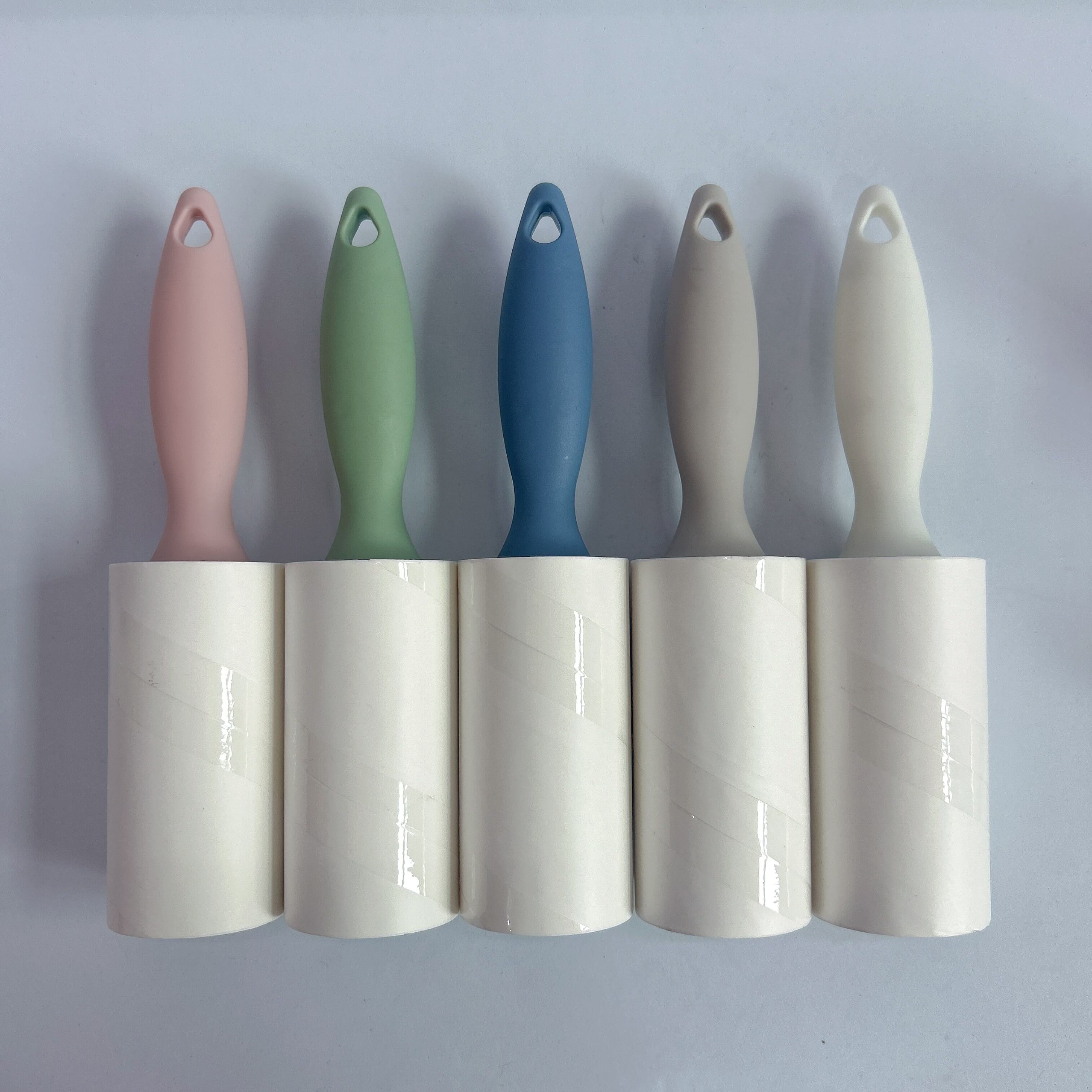
If you have ever owned a pet, worn dark clothing, or spent time near upholstered furniture, you already know the frustration of stubborn lint, hair, and fuzz clinging to your fabrics. The lint roller has long been the go-to solution, but today buyers face a meaningful choice: stick with the classic disposable strip-based roller, or invest in a washable lint roller that can be rinsed and reused indefinitely? This is not a trivial question, especially for households, offices, and businesses that go through lint rollers on a regular basis.
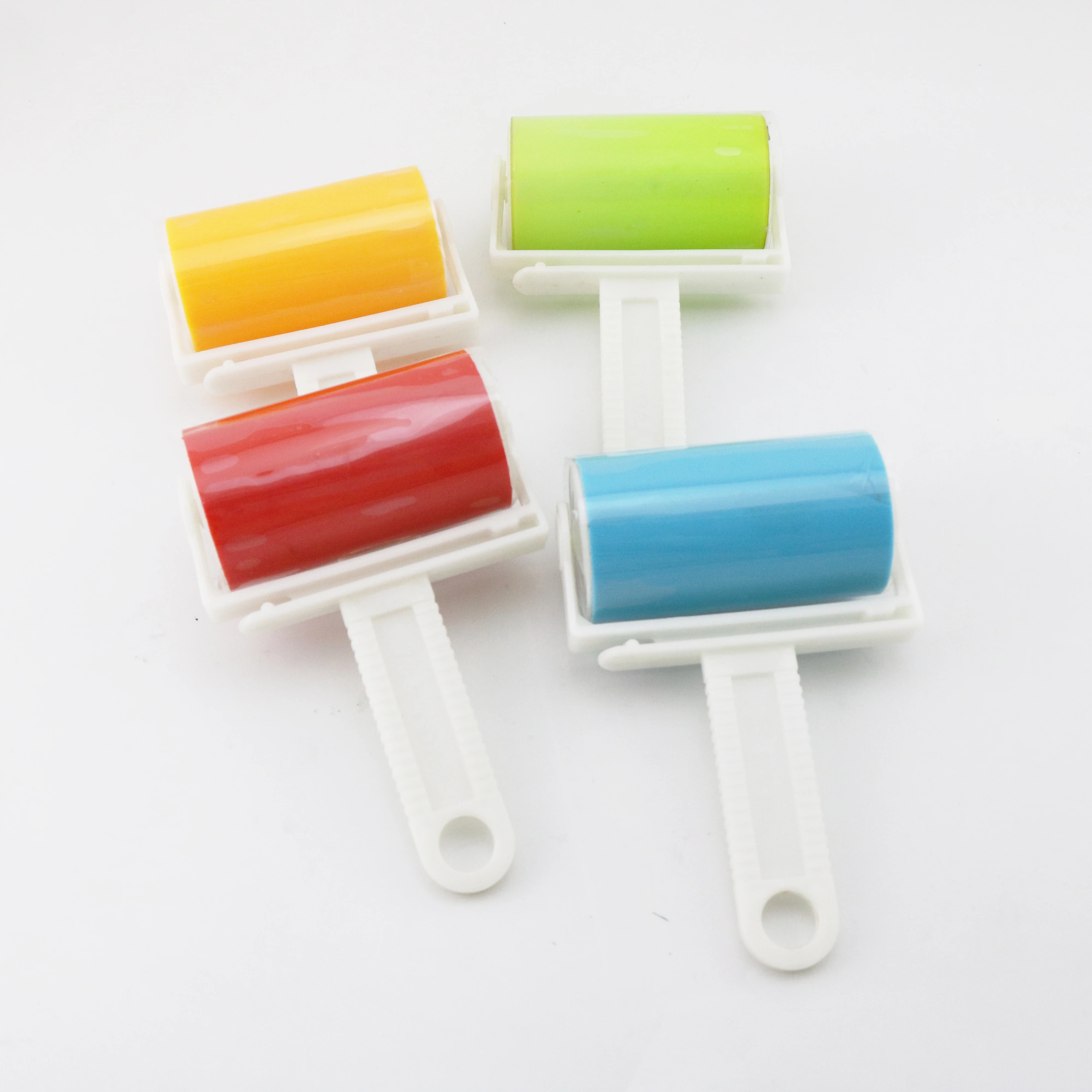
Both options promise the same outcome — clean, hair-free clothing and surfaces — but they differ significantly in cost over time, environmental impact, convenience, and performance across various fabrics and debris types. Understanding those differences is what allows you to make a genuinely informed purchasing decision. This article breaks down the core distinctions between a washable lint roller and its disposable counterpart, examining each from a practical, economic, and sustainability perspective so you can determine which one fits your real-world needs.
Understanding How Each Type of Lint Roller Works
The Mechanism Behind Disposable Lint Rollers
Disposable lint rollers rely on a roll of adhesive-coated sheets wrapped around a central core. As you roll the device over fabric, the sticky surface captures lint, pet hair, dust, and other particles. Once a sheet is saturated, you peel it away to expose a fresh adhesive layer underneath. This design is simple, widely available, and immediately effective right out of the box.
The adhesive used in disposable rollers is typically a pressure-sensitive glue applied to thin paper or plastic film. These sheets are pre-perforated for easy tearing, and the rolls themselves are inexpensive to manufacture and distribute. However, the adhesive strength can vary by brand, and some disposable rollers may struggle with deeply embedded pet hair on heavier fabrics like wool or velvet.
Because every sheet is a single-use item, disposable rollers generate a consistent stream of waste. A single roll of 60 to 90 sheets can be depleted quickly in a household with multiple pets or heavy garment usage, creating both a recurring cost and an ongoing disposal challenge. This is precisely why many consumers have begun exploring alternatives.
The Mechanism Behind a Washable Lint Roller
A washable lint roller uses a different adhesive altogether — typically a silicone-based or gel-based sticky surface that is non-toxic, flexible, and designed to be rinsed clean under running water. Instead of peeling off a sheet when the surface gets full, you simply wash the roller, allow it to dry, and its stickiness is fully restored. This cycle can repeat hundreds or even thousands of times.
The silicone gel used in a washable lint roller behaves differently from paper-based adhesives. It creates a tackiness that is firm enough to lift fine cat hair, clothing fibers, and crumbs from upholstery but gentle enough to avoid damaging delicate fabrics. The surface is also non-greasy, which means it leaves no sticky residue on garments — a complaint sometimes associated with lower-quality disposable versions.
After rinsing, the washable lint roller typically needs just a few minutes to air dry before it regains its full adhesive performance. This restoration process is one of the most significant advantages of the reusable design, as it effectively eliminates the need for replacement purchases over the product's lifespan. The initial cost is higher, but the ongoing cost is essentially zero.
Comparing Cost Efficiency Over Time
The True Cost of Disposable Rollers
At first glance, a single disposable lint roller appears affordable — often priced at just a few dollars per unit. However, the hidden cost lies in consumption rate. An average household with pets may use one to three full rolls per month, depending on how many animals they own and how frequently they clean clothing, furniture, and car interiors. Over the course of a year, this adds up to a substantial recurring expense.
When you factor in the cost of refill rolls, travel-sized versions kept in bags or desks, and replacements lost or worn out, the annual spending on disposable options can easily reach fifty dollars or more per household. For businesses — such as salons, veterinary clinics, or garment retailers — the cost can be considerably higher, especially if staff members use lint rollers as part of their daily routine.
There is also the indirect cost of replenishment logistics. Running out of adhesive sheets at an inconvenient moment means a trip to the store or waiting on a delivery. A washable lint roller eliminates this dependency entirely, which has practical value for both home users and commercial settings.
The Long-Term Value of a Washable Lint Roller
A quality washable lint roller typically costs more upfront than a basic disposable model, but this single purchase can replace dozens or even hundreds of disposable rolls over its useful life. When you calculate the cost per use across a full year, the washable lint roller clearly wins on economic efficiency. This makes it especially attractive for high-usage environments where lint removal is a daily task.
Durability is a key factor here. A well-constructed washable lint roller made from durable silicone and sturdy materials can last several years with proper care. Compared to the fragile paper cores and thin films of disposable versions, the physical robustness of a reusable design means less chance of the tool breaking or degrading before its adhesive surface wears out.
For budget-conscious buyers, the math is straightforward. The washable lint roller breaks even within a few months of regular use and continues to deliver cost savings indefinitely afterward. This value proposition is particularly compelling in B2B contexts, where procurement teams are always looking to reduce consumable spending without sacrificing operational effectiveness.
Environmental Impact and Sustainability Considerations
Waste Generated by Disposable Lint Rollers
Each disposable lint roller sheet is a single-use plastic and adhesive composite that cannot typically be recycled through standard curbside programs. Multiply that by dozens of sheets per roll, multiple rolls per month, and millions of users worldwide, and the cumulative environmental footprint becomes significant. The packaging, plastic cores, and spent sheets all contribute to landfill waste.
For consumers and organizations with environmental commitments, this waste stream is increasingly difficult to justify. Sustainability-minded buyers are actively seeking alternatives that reduce their household or operational waste. The shift toward reusable tools is part of a broader lifestyle and procurement trend that values long-term resource efficiency over short-term convenience.
Even setting aside global environmental concerns, the sheer inconvenience of constantly discarding spent sheets and purchasing new rolls has a real impact on daily routines. Eliminating that cycle is one of the underappreciated practical benefits of switching to a washable lint roller.
The Sustainability Advantage of a Washable Lint Roller
A washable lint roller produces essentially zero consumable waste during its operational life. The silicone or gel surface is cleaned with water alone — no chemicals, no replacement parts, no packaging. This makes the washable lint roller one of the more genuinely sustainable personal care and fabric maintenance tools available on the market today.
From a materials perspective, silicone is a highly durable compound that does not degrade quickly under normal use conditions. It is also free from the volatile adhesives and synthetic coatings found on disposable sheets, making the washable lint roller a safer option for households with children, pets, and individuals sensitive to chemical odors or residues.
Organizations pursuing green procurement policies or sustainability certifications will find that switching from disposable to washable lint rollers is a simple, low-effort step that nonetheless contributes meaningfully to waste reduction targets. It is a small change that signals a larger commitment to responsible consumption.
Performance Across Different Fabrics and Use Cases
Where Disposable Rollers Perform Well
Disposable rollers tend to excel in situations requiring intense, immediate adhesion on smooth or lightly textured fabrics. On cotton dress shirts, linen suits, or lightweight synthetic blends, a fresh adhesive sheet can pick up fine lint and dust very efficiently. They also work well for quick touch-ups in professional settings, such as before a meeting or photo shoot, because no preparation or drying time is required.
The very strong adhesive used in some disposable versions can also be effective on heavily soiled surfaces, such as furniture cushions covered in dog or cat hair. However, this same aggressive stickiness can occasionally pull at the fibers of delicate fabrics like cashmere or angora if the user is not careful. It is a trade-off between power and fabric safety.
Disposable rollers are also widely available in travel-friendly formats, making them convenient for hotel stays, office desk use, or keeping in a gym bag. Their compact form factor and low price point make them a reliable emergency option even if they are not the primary tool in a user's cleaning routine.
Where a Washable Lint Roller Shines
The washable lint roller demonstrates particularly strong performance on medium-to-heavy textiles such as wool coats, fleece jackets, velvet upholstery, and upholstered car seats. The gel surface conforms slightly to the fabric's texture, allowing it to reach into woven fibers and extract embedded pet hair that a flat adhesive sheet might skip over entirely.
Because the silicone gel is gentle by nature, a washable lint roller is also a better choice for delicate or premium garments where fabric integrity matters. Suits, evening wear, and specialty textiles can be de-linted without the risk of surface abrasion or fiber damage. This makes the washable lint roller the preferred tool in settings where clothing quality is a priority.
Another area where the washable lint roller excels is high-frequency daily use. When you need to clean multiple items in a single session — several jackets, a set of throw pillows, a car interior, and a sofa — the ability to rinse and restore the surface mid-session is an enormous practical advantage over the sheet-peeling cycle of disposable versions. Efficiency improves, and so does the overall result.
Convenience, Portability, and Practical Day-to-Day Use
Ease of Use Compared
Disposable rollers win on pure immediacy. Grab one, roll it across your clothing, and you are done. There is no setup, no rinsing, and no waiting. For users who prioritize speed above all else, this simplicity is difficult to beat. However, this convenience comes at the price of ongoing purchasing, restocking, and disposal tasks that accumulate over time.
A washable lint roller requires a slightly different routine. After each use — or after the surface becomes visibly loaded with debris — you rinse it under warm water, gently rub the surface to dislodge collected hair and lint, and set it aside to dry. The total time investment is minimal, but it does require the user to plan slightly ahead, particularly if the roller needs to air dry before the next use.
For most users, this small adjustment in routine is a non-issue once it becomes habit. Many people rinse their washable lint roller at the end of each day, let it dry overnight, and find it fully restored and ready each morning. This rhythm removes any friction from the process and makes the tool just as convenient as disposable alternatives in day-to-day practice.
Portability and Storage Considerations
Both types of lint rollers are available in travel-friendly sizes, but the washable lint roller has a particular advantage in this regard: it never runs out. When traveling with a disposable roller, you must account for how many sheets are left and whether you need to pack spares. With a washable lint roller, a single compact unit covers you for the entire trip regardless of how many times you use it.
Storage is also simpler with a washable lint roller. There is no need to keep extra rolls in a drawer or monitor inventory. A single device stored in a bathroom, closet, or travel bag is sufficient. For minimalist households and lean office environments, this reduction in physical clutter has genuine appeal.
Many washable lint roller designs come with a protective cap or case, which prevents the gel surface from picking up dust or debris during storage. This protective feature keeps the roller ready to perform without requiring a rinse before each use — a thoughtful design detail that further enhances everyday convenience.
FAQ
How often should I wash my washable lint roller?
You should rinse your washable lint roller whenever you notice the surface becoming visibly loaded with hair, lint, or debris, or when it starts to feel less sticky during use. For most users, this means rinsing after every one to three uses. Simply hold it under warm running water, rub gently to release the collected material, and allow it to air dry completely before using it again. The stickiness will be fully restored once dry.
Can a washable lint roller handle heavy pet hair?
Yes, a washable lint roller is particularly well-suited for removing pet hair from clothing, furniture, and upholstery. The gel or silicone surface is flexible enough to conform to fabric textures, which allows it to lift deeply embedded hair that flat adhesive sheets sometimes miss. For households with heavy shedding breeds, the washable lint roller often outperforms its disposable counterpart on thick or textured fabrics like fleece, velvet, and wool.
Is a washable lint roller safe for delicate fabrics?
A washable lint roller is generally safer for delicate fabrics than high-tack disposable versions, because the silicone gel provides a gentler adhesion that lifts surface debris without aggressively pulling at individual fibers. That said, it is always recommended to test any cleaning tool on a small inconspicuous area of a delicate garment before using it broadly. For most everyday fabrics — including wool, cashmere blends, and formal wear — a washable lint roller is an excellent choice.
Which option is more cost-effective in the long run?
Over any extended period of regular use, the washable lint roller is significantly more cost-effective than disposable alternatives. While its upfront price is higher, it replaces dozens or hundreds of disposable rolls over its lifespan, with no recurring purchasing costs. For households, offices, or any setting where lint removal is a routine task, the washable lint roller typically recoups its cost within a few months and continues to deliver pure savings indefinitely thereafter.