 EN
EN

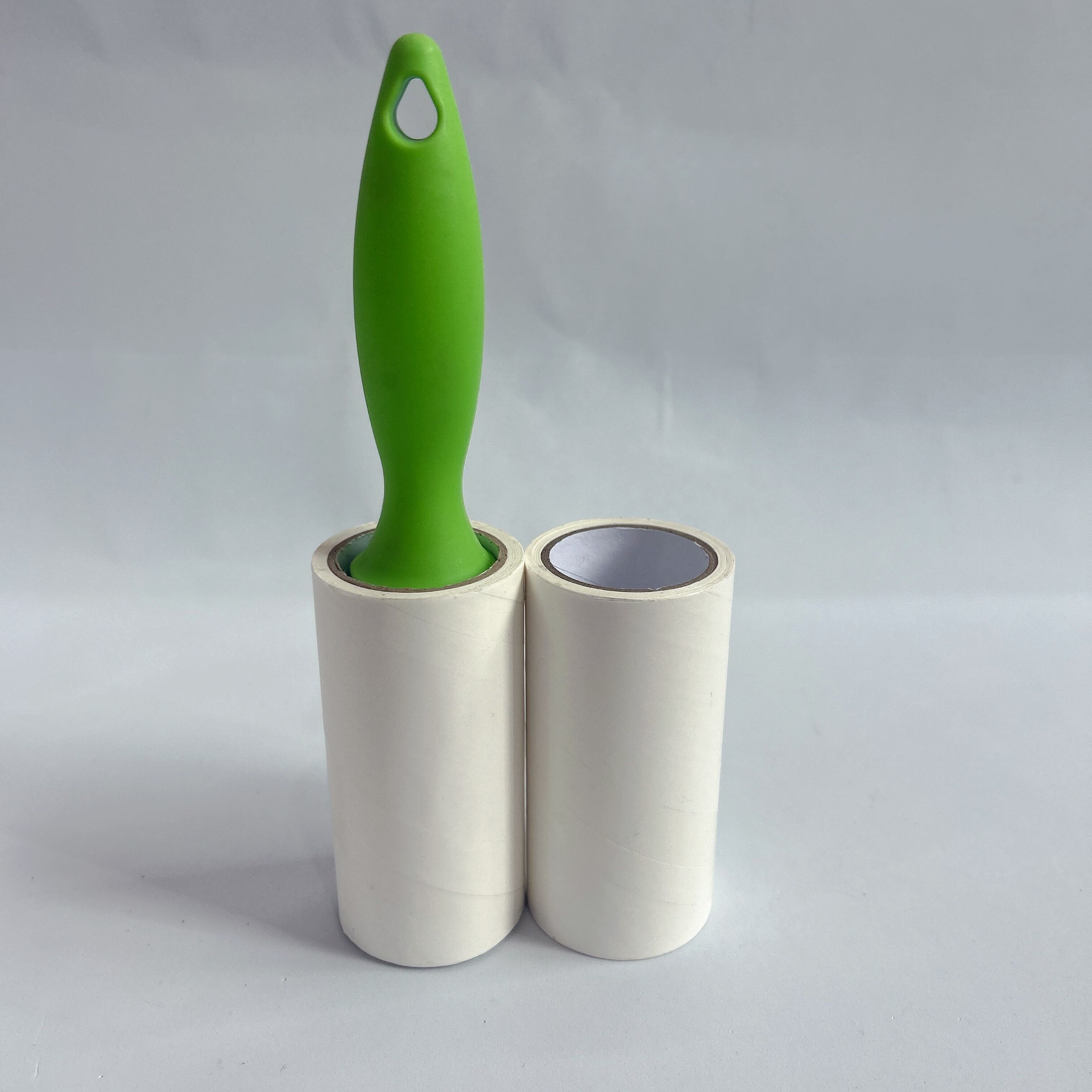
As consumers and businesses alike become more conscious of environmental responsibility, the demand for sustainable everyday tools has grown significantly. The sticky lint roller — once a purely disposable, single-use convenience product — is undergoing a meaningful transformation in 2025. Today, eco-friendly versions are redefining what it means to keep your clothes, furniture, and pet hair under control without generating unnecessary waste. Whether you manage a retail brand, a cleaning supply business, or a pet care product line, understanding the landscape of sustainable sticky lint roller options is becoming increasingly important for meeting modern buyer expectations.
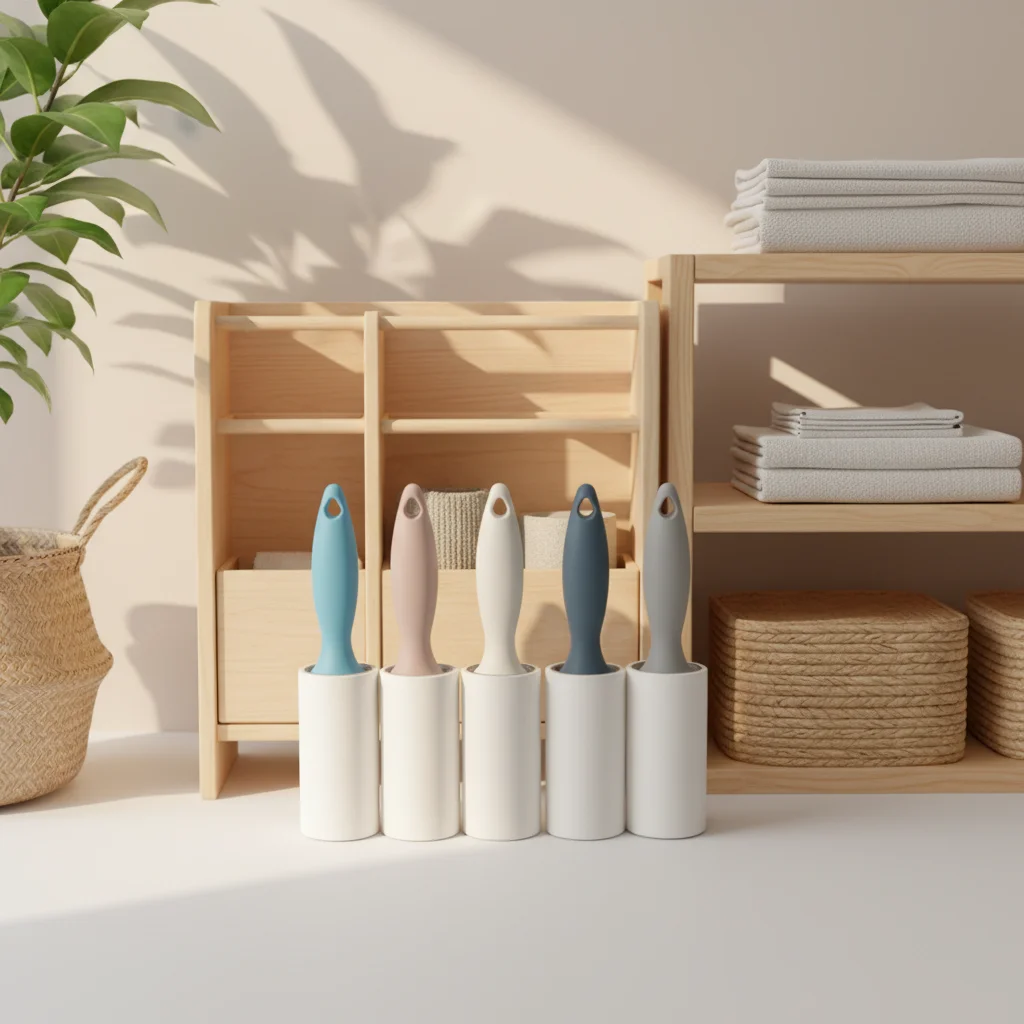
The shift toward eco-conscious product choices is not a passing trend — it reflects a deeper change in how buyers evaluate purchases. A sticky lint roller that performs effectively while reducing plastic waste or using biodegradable materials is no longer a niche request; it is increasingly a baseline expectation in many markets. This article explores the key eco-friendly sticky lint roller options available in 2025, what makes them genuinely sustainable, how to evaluate them as a buyer or brand, and how to identify the right product for your specific application and audience.
What Makes a Sticky Lint Roller Eco-Friendly
Material Composition and Biodegradability
The most fundamental factor in determining whether a sticky lint roller is truly eco-friendly is the material from which it is made. Conventional models typically rely on plastic handles, synthetic adhesive sheets, and non-recyclable paper cores. Eco-friendly alternatives replace these elements with responsibly sourced paper handles, bamboo cores, recycled cardboard tubes, and adhesive layers derived from plant-based or water-soluble materials. The goal is to ensure that the product, once spent, does not persist in a landfill for decades.
Biodegradable adhesive paper is a significant development in this space. Traditional sticky sheets are coated with petroleum-based adhesives, while newer formulations use natural gum-based or starch-derived adhesives that break down far more readily in composting or municipal waste environments. When evaluating a sticky lint roller for eco credentials, it is worth requesting detailed material specifications from the manufacturer, including the composition of both the handle and the refill sheet layers.
Bamboo and kraft paper handles have become particularly popular in sustainable product lines. Bamboo grows rapidly without pesticides and requires minimal water, making it one of the most renewable raw materials available. Kraft paper handles, reinforced for durability, offer a comparable ergonomic experience to plastic while being fully recyclable at the end of use. A sticky lint roller built on these materials sends a clear sustainability signal to the end consumer.
Refillable and Reusable Design Architecture
Beyond raw materials, the structural design of a sticky lint roller plays a major role in its environmental profile. Refillable formats — where the handle is retained and only the adhesive paper core is replaced — significantly reduce the total material consumed per cleaning session. This design model is already well-established in Europe and is gaining traction in North American and Asian markets as sustainability regulations tighten and consumer awareness rises.
A truly reusable sticky lint roller takes this concept further by using a washable silicone or fabric adhesive surface that can be rinsed under water and reused hundreds of times. These models eliminate disposable sheets entirely and are particularly well-suited for household cleaning of pet hair from sofas, carpets, and clothing. While the upfront cost of a reusable sticky lint roller is higher, the lifetime cost per use is dramatically lower, which is a compelling message for value-conscious B2B buyers stocking premium product lines.
For brands and retailers, offering both a refillable paper model and a fully reusable version allows them to capture two distinct customer segments: those transitioning away from single-use products and those already committed to zero-waste lifestyles. Structuring a product line this way creates natural upsell pathways and builds long-term brand loyalty around environmental values.
Key Eco-Friendly Sticky Lint Roller Formats in 2025
Paper-Handle Refillable Rollers with Recycled Sheet Cores
The paper-handle refillable sticky lint roller has become the most commercially viable eco-friendly format in 2025. It combines the familiar format that users already know and trust with meaningful sustainability improvements across every component. The handle is typically constructed from recycled or FSC-certified kraft paper, formed into a rigid tube that provides adequate grip during use. The refill sheets are wound onto a recycled cardboard core and can be sold separately, reducing per-unit packaging waste considerably.
This format works particularly well for private label and custom branding programs because the paper handle provides a large, clean printing surface. Brands can incorporate custom logos, eco messaging, and color schemes directly onto the handle without additional labeling materials. A sticky lint roller produced with this kind of customization capability is an ideal fit for pet care retailers, eco-brand gift sets, and sustainable housewares collections.
The adhesive performance of these products has improved significantly. Earlier generations of eco-friendly adhesive sheets sometimes sacrificed pick-up strength in favor of biodegradable chemistry, but modern formulations now match or approach the lint capture performance of conventional products. Buyers sourcing these products should request sample rolls to evaluate adhesion strength on different fabric types before placing bulk orders.
Silicone Reusable Roller Technology
Silicone-based reusable rollers represent the most premium tier of eco-friendly sticky lint roller solutions available today. Instead of adhesive paper sheets, these rollers feature a soft, slightly tacky silicone surface that captures lint, hair, and dust through static and surface tension. After use, the roller is rinsed under warm water, the debris washes off cleanly, and the roller is ready for reuse once dry. This process can be repeated for months or years with the same device.
From an environmental standpoint, silicone reusable models have the lowest lifetime material footprint of any sticky lint roller format. They generate zero ongoing waste once purchased, and silicone itself is an extremely durable material with a long service life. The challenge with silicone models lies in their higher per-unit wholesale cost and the need for consumer education around the rinse-and-reuse workflow, which differs from conventional lint roller habits.
For B2B buyers sourcing for premium retail, subscription boxes, or gift market channels, silicone sticky lint rollers command higher retail price points and tend to attract customers who are already engaged with sustainable living categories. Including these models in your product assortment signals genuine environmental commitment rather than superficial greenwashing, which increasingly sophisticated buyers in 2025 are well equipped to detect.
Biodegradable Sheet Rollers with Compostable Packaging
A third eco-friendly format focuses on the full product lifecycle, including packaging. In this model, the sticky lint roller itself may still use a plastic or paper handle, but the adhesive sheets are certified compostable, and the outer packaging — typically a wrapper or box — is made from recycled materials with soy-based inks. The cumulative environmental benefit comes from ensuring that every component of the product's lifecycle is addressed, not just the handle material.
Compostable sheet certification is important here. Legitimate compostable products typically carry third-party certification from recognized standards bodies, which verifies that the material breaks down within a defined timeframe in industrial or home composting conditions. Buyers and brands should be cautious of products that claim biodegradability without any third-party verification, as this is one of the more common forms of greenwashing in the personal care and cleaning accessories category.
How to Evaluate Eco-Friendly Claims Before Sourcing
Requesting Third-Party Certifications and Material Data Sheets
When sourcing any eco-friendly sticky lint roller for B2B purposes, the first step is to move beyond marketing language and request substantive documentation. Third-party certifications such as FSC (Forest Stewardship Council) for paper components, REACH compliance for adhesive chemicals, and relevant compostability certifications provide independently verified evidence that the product meets specific environmental standards. Suppliers who are genuinely committed to sustainable manufacturing should be able to provide these documents without significant delay.
Material Data Sheets (MDS) or Material Safety Data Sheets (MSDS) are also useful tools for evaluating the chemical composition of the adhesive layer. A truly eco-friendly sticky lint roller should use adhesives free from toluene, formaldehyde, and other persistent organic compounds. If a supplier is unable or unwilling to provide these documents, that should be treated as a red flag in the sourcing process.
Additionally, asking for packaging material specifications — including the percentage of recycled content and whether the packaging is designed for single-material recycling — helps complete the full sustainability picture. Many B2B buyers in 2025 are being asked by their own retail clients to provide Environmental Product Declarations (EPDs) or sustainability data sheets for the products they supply. Getting ahead of this requirement at the sourcing stage saves significant time and cost later.
Aligning Product Specifications with Your Target Market
Not every eco-friendly sticky lint roller format is appropriate for every market. A high-volume consumer goods retailer may prioritize refillable paper rollers with competitively priced refill packs, while a premium pet accessories brand may find greater commercial value in silicone reusable models packaged in recycled gift boxes. Understanding your end customer's willingness to pay, their existing sustainability awareness, and their typical usage context is essential to selecting the right format.
Pet hair removal is one of the highest-demand use cases for any sticky lint roller in consumer markets. Dogs and cats with heavy shedding require a high-pick-up product, and eco-friendly options have historically lagged in this area due to the gentler adhesive chemistry involved. However, recent product developments have addressed this gap, and sourcing teams should specifically test pet hair capture performance on dense upholstery fabrics and woven carpet before committing to a particular product for pet-focused retail channels.
Seasonal gifting markets also present a strong opportunity for eco-friendly sticky lint rollers, particularly those with custom branding and attractive sustainable packaging. Corporate wellness gifts, eco-themed subscription boxes, and holiday retail bundles are all formats where a thoughtfully designed sticky lint roller with clear sustainability credentials can command premium positioning and margin.
Customization and Private Label Opportunities in 2025
Custom Branding on Eco-Friendly Sticky Lint Rollers
One of the most commercially significant trends in 2025 is the convergence of eco-friendly product design and private label customization. Brands that source a custom-branded sticky lint roller can align their product visually and narratively with their broader sustainability mission. Paper and bamboo handles offer excellent surfaces for high-quality printing, embossing, and custom color application. Custom packaging inserts made from recycled materials can reinforce brand messaging and provide care instructions or refill ordering information.
Minimum order quantities (MOQs) for custom eco-friendly sticky lint rollers have decreased substantially as manufacturing efficiencies have improved. This has opened private label programs to smaller brands and emerging eco-product companies that previously could not access the volume thresholds required by traditional manufacturing partners. For growing businesses in the pet care, home cleaning, or sustainable lifestyle categories, this represents a meaningful market entry opportunity.
When briefing a manufacturing partner for a custom sticky lint roller project, it is important to specify not only the visual design requirements but also the sustainability targets for each component. Clearly defined specifications for handle material, sheet adhesive chemistry, core composition, and packaging material ensure that the final product meets the eco-friendly claims your brand intends to make, and protects you from reputational risk if product contents are scrutinized by informed consumers or retail partners.
Design Trends Shaping 2025 Eco Lint Roller Products
The aesthetic dimension of eco-friendly product design is no longer secondary to function — it is a core part of the value proposition. In 2025, the leading eco-friendly sticky lint roller designs balance environmental responsibility with visual appeal, using earthy color palettes, nature-inspired motifs, clean typography, and minimal packaging aesthetics. These design choices communicate sustainability at a glance and align with the visual language of premium eco brands across other product categories.
Cute and playful design elements — animal motifs, botanical prints, and vibrant yet natural color schemes — have proven particularly effective in pet care and gift markets. A sticky lint roller with an adorable dog or cat illustration is not just functionally useful; it becomes a shareable, giftable item that generates organic social media visibility. This combination of eco-credentials and design charm is one of the strongest commercial differentiators available in the category today.
Functionality-forward design is equally important. Ergonomic handle shapes, secure refill-loading mechanisms, and compact travel-friendly formats all contribute to the perceived quality of an eco-friendly sticky lint roller. Products that look sustainable but feel flimsy or awkward to use will not retain customers regardless of their environmental credentials. The most successful products in this category in 2025 are those that deliver on both dimensions simultaneously.
FAQ
Are eco-friendly sticky lint rollers as effective as conventional ones for removing pet hair?
Yes, modern eco-friendly sticky lint roller products have significantly improved their adhesive performance in recent years. While earlier biodegradable adhesive formulations sometimes offered lower tack strength, current plant-based and water-soluble adhesive technologies now provide comparable pick-up performance for pet hair, lint, and fine debris on most fabric types. It is advisable to request samples and test on the specific fabric types relevant to your end market before placing bulk orders.
What is the difference between a refillable and a reusable sticky lint roller?
A refillable sticky lint roller retains a durable handle — typically made from paper, bamboo, or recycled materials — while the adhesive paper core is replaced when spent. A reusable sticky lint roller, typically made with a silicone surface, does not use disposable sheets at all and is rinsed under water to restore its adhesive properties. Refillable models reduce waste from handles but still generate sheet waste, while fully reusable models eliminate ongoing material consumption entirely.
How can I verify that a sticky lint roller is genuinely eco-friendly and not just greenwashed?
The most reliable method is to request third-party certifications for each component of the product. Look for FSC certification on paper and bamboo materials, recognized compostability certifications for biodegradable sheets, and REACH compliance documentation for adhesive chemicals. Suppliers who can provide Material Data Sheets and detailed component breakdowns are demonstrably more credible than those relying solely on self-declared eco claims. Verification at the sourcing stage protects your brand's credibility with downstream retail partners and end consumers.
Is custom branding available on eco-friendly sticky lint rollers for small brands?
Yes. Custom branding and private label programs for eco-friendly sticky lint roller products are increasingly accessible to smaller brands due to reduced minimum order quantities in 2025. Paper and bamboo handles offer strong surface compatibility for printing and embossing, and packaging customization using recycled materials is widely available. Working with a manufacturing partner who can provide both design flexibility and documented sustainability specifications is the recommended approach for brands seeking to enter this category with genuine eco credentials.
Table of Contents
- What Makes a Sticky Lint Roller Eco-Friendly
- Key Eco-Friendly Sticky Lint Roller Formats in 2025
- How to Evaluate Eco-Friendly Claims Before Sourcing
- Customization and Private Label Opportunities in 2025
-
FAQ
- Are eco-friendly sticky lint rollers as effective as conventional ones for removing pet hair?
- What is the difference between a refillable and a reusable sticky lint roller?
- How can I verify that a sticky lint roller is genuinely eco-friendly and not just greenwashed?
- Is custom branding available on eco-friendly sticky lint rollers for small brands?