 EN
EN

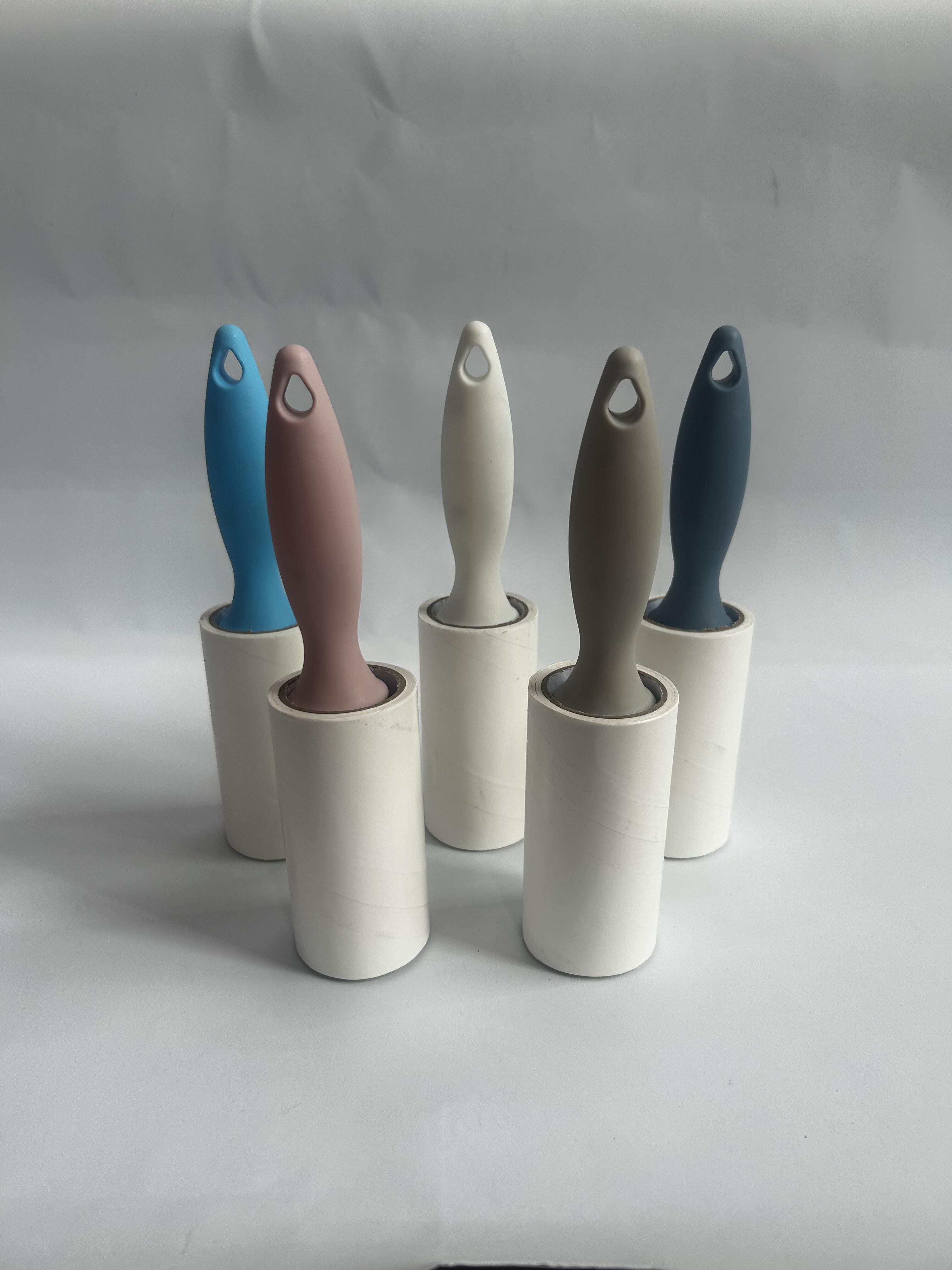
A washable lint roller is one of the most practical tools you can keep in your home, especially if you share your space with pets or wear a lot of dark-colored fabrics. Unlike traditional disposable tape rollers, a washable lint roller is designed to be rinsed, refreshed, and reused hundreds of times — making it both cost-effective and environmentally responsible. However, to keep it performing at its best, you need to know exactly how to clean it properly. Many people underestimate the importance of routine maintenance, and as a result, their roller loses its stickiness far sooner than it should.
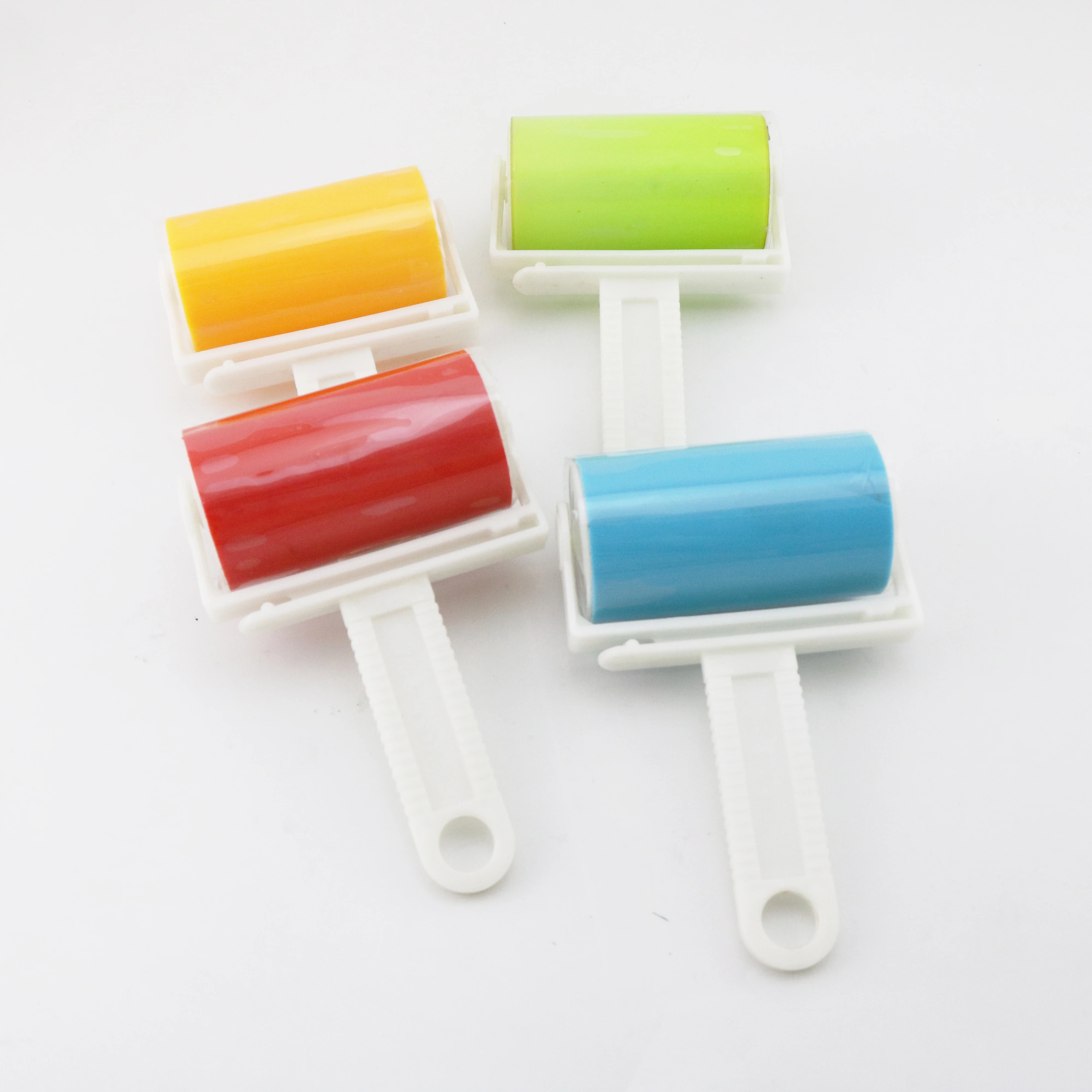
This complete guide walks you through every step of cleaning your washable lint roller the right way — from daily quick rinses to deeper monthly maintenance. Whether your roller is made from silicone gel, TPE, or another reusable adhesive material, the principles here apply broadly. By the end of this guide, you will understand how to restore full stickiness, extend the lifespan of your roller, and avoid the most common cleaning mistakes that degrade performance over time. A well-maintained washable lint roller can last for years with the right care routine.
Understanding How a Washable Lint Roller Works
The Science Behind the Sticky Surface
Before learning how to clean it, it helps to understand exactly what makes a washable lint roller sticky in the first place. Most reusable models use a soft silicone gel or TPE (thermoplastic elastomer) surface that creates a mild electrostatic and adhesive bond with lint, pet hair, and dust particles. This surface is inherently self-adhesive and does not rely on chemical glues, which is precisely why it can be washed and restored without losing its fundamental properties.
When you roll the device over fabric, micro-particles of lint and hair embed into the surface layer. Over multiple uses, these particles accumulate and begin to form a thin barrier between the roller surface and the fabric. This barrier is what reduces stickiness — not a breakdown of the material itself. Cleaning removes that barrier and exposes the original adhesive surface once again. Understanding this mechanism helps you clean with purpose rather than guesswork.
The resilience of the material depends on how you treat it. Harsh chemicals, extremely hot water, or abrasive scrubbing can degrade the gel layer permanently. Gentle cleaning, on the other hand, preserves the molecular structure of the surface and keeps your washable lint roller performing like new for a long time.
Why Regular Cleaning Is Non-Negotiable
Many users wait until their washable lint roller stops picking up hair entirely before they clean it. By that point, the buildup has had time to harden and adhere more stubbornly to the gel surface, making cleaning more difficult and less effective. Regular cleaning, even after light use, prevents this progressive buildup and keeps the roller in consistent working condition.
If you use your roller daily — particularly on pet hair or heavily woven fabrics — a quick rinse after each session takes less than thirty seconds and dramatically extends the intervals between deep cleans. Think of it the same way you would treat a reusable kitchen sponge: light maintenance after each use prevents the need for intensive restoration later.
Skipping regular cleaning also affects hygiene. Pet dander, dust mites, and fine debris can accumulate on the surface of your washable lint roller and then transfer back onto clothing during subsequent uses. This defeats the entire purpose of the tool and can be a concern for allergy sufferers. Consistent cleaning is not just about performance — it is about cleanliness.
Step-by-Step Guide to Cleaning Your Washable Lint Roller
The Basic Rinse Method for Everyday Maintenance
The simplest and most frequently used cleaning method involves nothing more than lukewarm water. Hold your washable lint roller under a running tap and use your fingers to gently roll and rub the surface. You will immediately see lint and hair particles releasing from the gel. Avoid using your fingernails or any sharp object, as these can create micro-abrasions on the surface that reduce adhesion over time.
Use only lukewarm water — not hot and not cold. Hot water can cause the silicone or gel material to expand and contract in ways that weaken adhesion over multiple cycles. Cold water, while not harmful, is less effective at loosening fine particles. Lukewarm water provides the ideal balance between cleaning efficacy and material preservation.
After rinsing, gently shake off excess water and place the washable lint roller on a clean, dry surface with the sticky side facing up. Allow it to air dry completely before storing it in its protective cover or using it again. This step is critical — using the roller while it is still damp reduces its immediate stickiness and can attract dust before it is dry.
The Mild Soap Method for Deeper Cleaning Sessions
When a quick rinse is not enough — particularly after heavy pet hair sessions or prolonged periods of non-use — a mild soap wash restores deeper cleanliness. Apply a very small drop of mild dish soap or hand soap directly onto the roller surface. Gently work the soap across the gel using your fingertips in circular motions, being careful not to apply excessive pressure.
Rinse thoroughly under lukewarm water until all traces of soap are removed. Soap residue left on the surface of a washable lint roller acts similarly to lint buildup — it forms a thin film that inhibits stickiness. Take your time rinsing, especially around the edges and seams of the roller where residue tends to collect.
After a soap wash, the roller may feel slightly less sticky immediately afterward. This is normal and temporary. The surface needs time to fully dry and return to its natural adhesive state. Give it at least thirty minutes to an hour of air drying before testing it. In most cases, full stickiness returns once the surface is completely dry.
Removing Stubborn Hair and Fiber Buildup
Some types of hair — particularly long pet hair or synthetic fibers from fleece fabrics — can become wound around the roller's axle or deeply embedded in the gel. For these situations, use a soft-bristled toothbrush that you dedicate exclusively to this purpose. Gently brush the surface under running water to dislodge embedded particles without scratching the gel layer.
For fibers tangled around the roller's central mechanism, use a pair of fine scissors or a seam ripper to cut them away carefully. Never pull tangled hair forcibly, as this can distort the roller's shape or damage the mounting mechanism. A washable lint roller is a precision tool, and treating stubborn buildup with patience yields far better results than aggressive force.
If buildup has become compacted over weeks of neglect, a twenty-minute soak in lukewarm water with a drop of dish soap can soften the debris enough to make cleaning significantly easier. After soaking, follow the standard rinse and air-dry process. This approach works well for silicone-based models and effectively revives a roller that seems beyond recovery.
Drying and Storage Best Practices
Why Proper Drying Matters More Than Most Users Think
Drying is arguably the most overlooked step in maintaining a washable lint roller. Users often rinse the roller and then immediately return it to its storage pouch or use it right away, both of which cause problems. Storing a damp roller in an enclosed space encourages mildew growth and creates an environment where dust clings to the wet surface before the roller can be used effectively.
Always air dry your washable lint roller in an open, clean area with the sticky surface facing upward. Avoid placing it near open windows or in dusty environments during the drying process, as airborne particles will settle onto the wet surface and partially undo your cleaning work. A clean bathroom counter or a dedicated shelf works well for this purpose.
Do not use a hair dryer, towel, or paper towel to speed up drying. Towel contact introduces fibers directly onto the freshly cleaned surface, and heat from a hair dryer can degrade the gel layer. Patience during drying pays off with noticeably better adhesion on the next use.
Smart Storage Habits That Protect Roller Performance
Most washable lint roller products come with a protective cover or case, and using it consistently is one of the simplest ways to maintain long-term performance. The cover prevents dust, lint, and airborne debris from settling on the sticky surface between uses. Without it, even a freshly cleaned roller can accumulate surface contamination within hours in a busy household.
Store your roller in a cool, dry location away from direct sunlight. Prolonged UV exposure can gradually harden and discolor the silicone or gel surface, reducing its elasticity and adhesion. A drawer, cabinet, or travel pouch are all suitable storage locations for your washable lint roller.
If you own multiple rollers for different purposes — such as one for clothing and one for furniture — label them clearly and store them separately. Mixing use cases can transfer pet dander or specific allergens between applications, reducing hygiene standards. Organized storage also makes it easier to maintain a consistent cleaning schedule for each roller.
Common Cleaning Mistakes and How to Avoid Them
Using Harsh Chemicals or Alcohol-Based Cleaners
One of the most damaging mistakes users make is cleaning their washable lint roller with alcohol-based products, bleach solutions, or strong household cleaners. These substances chemically degrade the silicone or gel surface at the molecular level, causing it to become sticky in a different, problematic way — attracting oils and residues rather than lint and hair. Once this type of damage occurs, it cannot be reversed.
Stick exclusively to water and, when needed, mild pH-neutral soap. There is no benefit to using stronger cleaning agents on a lint roller, as the material is not porous and does not harbor bacteria in the way that, say, a kitchen cutting board might. The goal is simply to remove accumulated debris — and lukewarm water handles this effectively.
If you are unsure whether a specific soap is safe for your washable lint roller, test a small amount on an inconspicuous edge of the surface before applying it broadly. A gentle baby shampoo or unscented dish soap is nearly always a safe choice and effectively removes oil-based residues without harming the adhesive surface.
Aggressive Scrubbing and Mechanical Damage
Scrubbing a washable lint roller with an abrasive sponge, rough cloth, or hard-bristled brush introduces micro-scratches into the surface that accumulate with each cleaning cycle. Over time, these scratches reduce the effective contact area between the roller and fabric, which translates directly into weaker lint pickup performance.
Fingers are almost always the safest cleaning tool for the gel surface. They provide enough mechanical action to dislodge particles without introducing abrasion. Reserve soft-bristled brushes for only the most stubborn embedded fibers, and use them gently and in the direction of the roller's natural surface texture.
Pressure is also a concern when cleaning the roller's handle and axle mechanism. These components can be wiped with a damp cloth but should never be submerged. Water infiltration into the mechanical parts of the roller can cause corrosion or swelling of the internal components, leading to uneven rolling and reduced usability of your washable lint roller.
Maximizing the Lifespan of Your Washable Lint Roller
Building a Cleaning Schedule That Works
Consistency is the single most important factor in getting the maximum lifespan from a washable lint roller. A simple schedule removes the uncertainty about when to clean and prevents both under-cleaning and over-cleaning. For average household use, a quick rinse after every two to three uses and a deeper soap wash once a week is a practical and effective routine.
For high-use situations — such as grooming multiple pets daily or using the roller on heavy upholstery — increase the frequency to a rinse after each use and a soap wash every two to three days. The roller will communicate its own needs by showing reduced pickup performance, which is your clearest signal that cleaning is due.
Tracking your cleaning schedule with a simple note or calendar reminder takes less effort than most people expect and pays off in consistently high performance. A well-maintained washable lint roller that follows a routine schedule will outperform a neglected one significantly, even if the neglected roller is a more expensive model.
When to Consider Replacing Your Roller
Even with perfect cleaning habits, a washable lint roller has a finite lifespan. The gel or silicone surface will eventually lose its natural elasticity and adhesion properties after extensive use. Signs that replacement is approaching include persistent lack of stickiness even immediately after thorough cleaning and drying, visible cracking or peeling of the gel layer, and distortion of the roller's cylindrical shape that causes uneven contact with fabric.
Most quality reusable rollers are rated for hundreds of wash cycles, and reaching that threshold through proper care is a genuine achievement that represents significant savings over disposable alternatives. When replacement does become necessary, the environmental and financial case for choosing another washable lint roller over a disposable tape model remains strong.
Some models allow for replacement of the roller head only, leaving the handle intact. If your product supports this, it is the most economical and environmentally friendly option. Check the product specifications of your specific washable lint roller to determine whether spare roller heads are available before purchasing a complete replacement unit.
FAQ
How often should I clean my washable lint roller?
For average household use, a quick rinse every two to three uses is sufficient to maintain performance. If you use your washable lint roller daily or on heavy pet hair, rinsing after each use is recommended. A deeper soap wash should be performed about once per week under normal conditions.
Can I use any type of soap to clean my washable lint roller?
Only mild, pH-neutral soaps such as gentle dish soap, hand soap, or baby shampoo should be used. Avoid alcohol-based cleaners, bleach, or any product containing harsh solvents. These can permanently damage the adhesive surface of your washable lint roller and reduce its effectiveness irreversibly.
My washable lint roller is still not sticky after cleaning — what went wrong?
This is usually caused by incomplete drying rather than a problem with the cleaning itself. Allow the washable lint roller to air dry fully for at least thirty to sixty minutes before testing it. If stickiness is still low after complete drying, residual soap may be the issue — rinse again thoroughly and allow to dry again. If the problem persists, the roller surface may have been damaged by a harsh cleaning agent or prolonged neglect.
Is it safe to soak my washable lint roller in water?
Short soaks of the roller head (not the handle) in lukewarm water for up to twenty minutes are generally safe and can help loosen stubborn embedded debris. Extended soaking is not recommended, as it can cause swelling of non-gel components. Always check the care instructions specific to your washable lint roller model before soaking, particularly if the handle and roller head are not separable.