 EN
EN

When it comes to selecting the right release material for adhesive products, pressure-sensitive labels, medical devices, or industrial laminates, the choice of substrate matters enormously. silicone release paper has emerged as one of the most widely trusted options in manufacturing and packaging environments worldwide. Its unique combination of controlled release force, heat resistance, and chemical compatibility makes it a go-to material for applications that demand precision and reliability. Understanding how it compares to other release materials is essential for procurement teams, product engineers, and packaging designers aiming to make informed decisions.
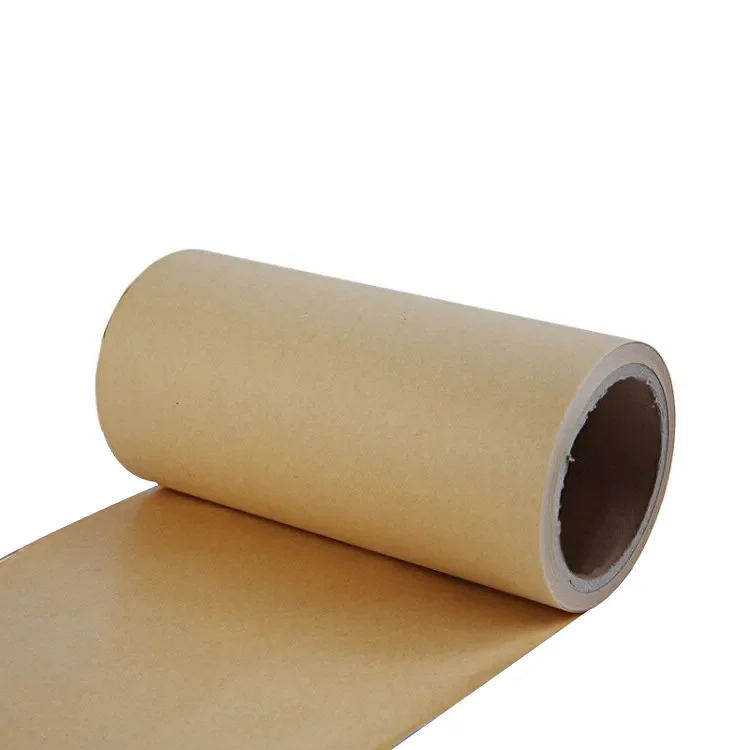
The release materials market offers several alternatives, including polycoated papers, plastic film liners, clay-coated stocks, and non-silicone chemical release coatings. Each has its own performance envelope, cost structure, and suitability profile. Silicone release paper, however, occupies a distinct position due to the silicone chemistry applied to its surface — a chemistry that delivers highly consistent peel values, chemical inertness, and durability across a wide range of conditions. This article explores how silicone release paper stands apart from competing materials, so you can evaluate which solution best fits your specific application requirements.
Understanding the Core Characteristics of Silicone Release Paper
What Makes Silicone Release Paper Unique
Silicone release paper is produced by applying a thin silicone polymer coating to a paper or film substrate. The silicone layer creates a low-energy surface that adhesives cannot permanently bond to, enabling clean and controlled release every time. This property is called differential release, and it is what makes silicone release paper so valuable in label converting, tape manufacturing, and protective film applications.
The silicone coating itself can be precisely formulated to achieve different release force levels — from ultra-light release to tight release — depending on the adhesive system being used. This tunability is a significant technical advantage over many alternative release materials that offer limited adjustability. In high-speed manufacturing environments, consistent peel forces reduce waste, minimize line stoppages, and improve overall throughput.
Silicone release paper is also compatible with a broad spectrum of adhesive chemistries, including acrylic, rubber-based, and silicone adhesives. This versatility supports a wide range of end-use scenarios, from medical wound dressings to automotive protective films. The material is typically available in single-sided or double-sided silicone configurations to suit both simple and complex laminating requirements.
Types of Silicone Release Paper Available
Silicone release paper is manufactured using a variety of base substrates, including glassine, kraft paper, polyethylene-coated paper, and cast-coated stocks. Each base material contributes different mechanical properties such as porosity, tensile strength, and moisture resistance. Glassine-based silicone release paper, for example, is valued for its smooth surface and low moisture vapor transmission rate, making it well-suited for pharmaceutical and food-grade applications.
Kraft-based silicone release paper offers superior tear resistance and is commonly used in construction tapes, flooring underlays, and roofing membranes. Polyethylene-coated silicone release paper adds an additional moisture barrier layer, increasing performance in humid or wet environments. The diversity of available formats ensures that silicone release paper can be matched closely to the technical demands of almost any industrial or commercial process.
Silicone Release Paper Compared to Polycoated Paper Liners
Performance Differences in Adhesive Applications
Polycoated paper liners use a polyethylene or similar polymer layer as the release surface, sometimes in combination with a release agent. While these liners offer a lower entry cost, they generally deliver less precise release force control compared to silicone release paper. In demanding applications where consistent peel angles and forces are required — such as in automated label dispensing — the variability of polycoated liners can create operational problems.
Silicone release paper, by contrast, maintains more stable release characteristics across a wider temperature range. Polycoated liners tend to soften or deform at elevated temperatures, which can compromise release performance during curing, printing, or storage in warm environments. For applications that involve heat or require shelf stability over extended periods, silicone release paper offers a meaningful performance advantage.
From an adhesive compatibility standpoint, silicone release paper handles aggressive adhesive systems far more effectively than polycoated alternatives. High-tack adhesives, for instance, can cause cohesive failure or anchor failure on polycoated surfaces, leading to residue contamination and product defects. Silicone release paper resists this issue by virtue of its chemically inert silicone surface, which does not react with or absorb adhesive components.
Cost and Sustainability Considerations
Polycoated liners are typically less expensive per unit than silicone release paper, which can be a deciding factor in price-sensitive commodity applications. However, total cost of ownership must account for factors like defect rates, liner waste, and machine downtime, all of which can be higher with lower-performance materials. In many cases, the operational savings achieved by using silicone release paper more than offset the higher material cost.
Sustainability is increasingly important in release material selection. Silicone release paper, particularly on recyclable paper substrates, can align with circular economy goals when proper collection and recycling infrastructure exists. Polycoated papers, due to their mixed-material construction, often face more significant recycling challenges. This dimension is becoming a stronger selection criterion for brands with environmental commitments.
Silicone Release Paper vs. Film-Based Release Liners
Dimensional Stability and Moisture Sensitivity
Film-based release liners — typically made from polyester (PET), polypropylene (PP), or polyethylene (PE) — offer excellent dimensional stability and near-zero moisture absorption. These properties make film liners highly suitable for precision die-cutting, electronic component assembly, and applications in humid environments. Silicone release paper, while highly capable, is susceptible to moisture-induced dimensional changes if the base paper is not adequately moisture-conditioned or polyethylene-coated.
However, silicone release paper offers advantages in terms of printability, handling, and surface feel, all of which matter in consumer-facing applications. Film liners can generate static charges during high-speed processing, which can disrupt label dispensing and create contamination risks in cleanroom or electronics environments. Certain grades of silicone release paper can be antistatic-treated to address this, but paper substrates inherently exhibit lower static buildup than most synthetic films.
In terms of thickness uniformity, silicone release paper manufactured with tight caliper control can achieve precision levels approaching those of film liners. This is important for applications such as pharmaceutical patch manufacturing, where liner thickness consistency directly affects drug delivery precision. The availability of high-grade, precision-calendered silicone release paper options narrows the performance gap with film substrates in these critical uses.
Recyclability and End-of-Life Profiles
Film-based liners, particularly PET liners, offer good recyclability within closed-loop industrial systems where collection is managed. However, contaminated or adhesive-soiled film liners often end up in landfill streams. Silicone release paper on a paper substrate is more likely to enter paper recycling streams, provided silicone content remains within acceptable thresholds for the recycling process.
Some recycling facilities are developing improved processes for handling silicone release paper, recognizing the volume of material generated by the label and tape industries. As recycling infrastructure evolves, the paper-based nature of silicone release paper positions it favorably relative to composite film liners when end-of-life environmental impact is a procurement consideration.
Non-Silicone Chemical Release Coatings and Clay-Coated Papers
Performance Limitations of Non-Silicone Alternatives
Non-silicone release coatings include materials such as fluorochemicals, fatty acid chromium complexes, and certain wax-based systems. While these can provide release functionality for specific adhesive systems, they lack the broad chemical compatibility and thermal stability of silicone release paper. Fluorochemical-based releases, for instance, are under increasing regulatory scrutiny due to PFAS concerns, making them a problematic choice for products intended for food contact or medical use.
Clay-coated papers offer a smooth, printable surface but are not true release materials in the functional sense. They require additional release agent treatment to perform effectively, and even then, they typically cannot match the clean release, peel consistency, or temperature performance that silicone release paper delivers. For demanding industrial applications, non-silicone and clay-based options represent compromises that can introduce quality and compliance risks.
Silicone release paper, using well-established platinum-catalyzed or peroxide-cured silicone chemistries, benefits from decades of formulation refinement and regulatory acceptance. The silicone layer is chemically bound to the substrate, reducing the risk of migration into sensitive adhesive systems or end-use products. This characteristic is especially critical in medical device, food packaging, and electronics applications where contamination control is non-negotiable.
Application Suitability and Industry Standards
Industries including medical device manufacturing, food labeling, and advanced composites have developed detailed specifications for release liner performance that silicone release paper is well-positioned to meet. Standards covering release force ranges, silicone anchorage, and surface cleanliness are often written around silicone-based products, reflecting the material's established performance track record.
Non-silicone alternatives may meet basic release functionality but often fall short of these industry-specific standards, particularly for high-tack adhesive systems or applications requiring prolonged storage before adhesive activation. Specifying silicone release paper in such contexts reduces the risk of non-compliance with customer or regulatory standards that could lead to product recalls, application failures, or liability exposure.
Selecting the Right Release Material for Your Application
Key Decision Factors for Release Material Selection
Choosing between silicone release paper and alternative release materials requires a structured evaluation of several factors. Adhesive type and tack level are the starting point — aggressive or specialty adhesives almost always demand silicone release paper for reliable, contamination-free performance. Processing conditions including temperature, humidity, and machine speed also heavily influence material selection, as silicone release paper offers wider operational margins than most alternatives.
End-use environment matters as well. If the final product will be exposed to moisture, heat, or chemical contact, silicone release paper engineered with appropriate base substrate and silicone formulation will outperform most alternatives. Conversely, for extremely precise dimensional applications in dry, controlled conditions, film liners with silicone coatings may be a stronger fit. The key is to match material capabilities to specific application demands rather than defaulting to the lowest-cost option.
Regulatory and compliance requirements deserve attention, particularly in medical, pharmaceutical, and food industries. Silicone release paper with appropriate certifications and traceability documentation simplifies compliance workflows and supports product approvals. Non-silicone alternatives may carry regulatory uncertainties, especially given evolving restrictions on fluorochemical compounds in several major markets.
Working With Suppliers to Specify Silicone Release Paper
Effective procurement of silicone release paper begins with clear technical specifications: base substrate, silicone coating weight, release force values, and any special requirements such as antistatic treatment or food-contact compliance. Engaging technically capable suppliers early in product development enables release material properties to be optimized alongside adhesive system design, avoiding costly reformulations later in the product lifecycle.
Supplier quality systems, batch-to-batch consistency controls, and testing documentation are critical for industrial buyers. Silicone release paper is a functional component that directly impacts finished product quality; variability in coating weight or release force translates directly into production defects. Partnering with suppliers who offer validated testing data and lot traceability protects production quality and downstream customer satisfaction.
FAQ
What is the main difference between silicone release paper and a film release liner?
Silicone release paper uses a paper-based substrate coated with a silicone layer, offering good printability, natural feel, and paper recyclability potential. Film release liners use synthetic substrates like PET or PP, providing superior dimensional stability and moisture resistance. The right choice depends on application demands, with silicone release paper preferred in many label, tape, and consumer goods contexts for its handling and environmental profile.
Can silicone release paper be used with all types of adhesives?
Silicone release paper is compatible with a wide range of adhesive systems, including acrylic, rubber-based, and silicone adhesives. However, the specific silicone formulation and release force level should be matched to the adhesive being used. Very aggressive or specialty adhesives may require custom-formulated silicone coatings to ensure proper release without adhesive splitting or residue transfer.
Is silicone release paper recyclable?
Silicone release paper on paper substrates can enter paper recycling streams, though acceptance varies by recycling facility depending on silicone content thresholds. Industry groups and recycling technology providers are actively working to improve processing capabilities for silicone release paper. Compared to multi-layer film liners, paper-based silicone release paper generally presents fewer recycling complications.
How does cost compare between silicone release paper and non-silicone alternatives?
Silicone release paper typically carries a higher unit cost than non-silicone alternatives such as polycoated papers or clay-coated stocks. However, the total cost of ownership often favors silicone release paper when production efficiency, defect reduction, and material performance reliability are factored in. For applications involving aggressive adhesives, high-speed converting, or critical quality standards, the investment in silicone release paper is generally justified by operational and quality benefits.
Table of Contents
- Understanding the Core Characteristics of Silicone Release Paper
- Silicone Release Paper Compared to Polycoated Paper Liners
- Silicone Release Paper vs. Film-Based Release Liners
- Non-Silicone Chemical Release Coatings and Clay-Coated Papers
- Selecting the Right Release Material for Your Application
- FAQ