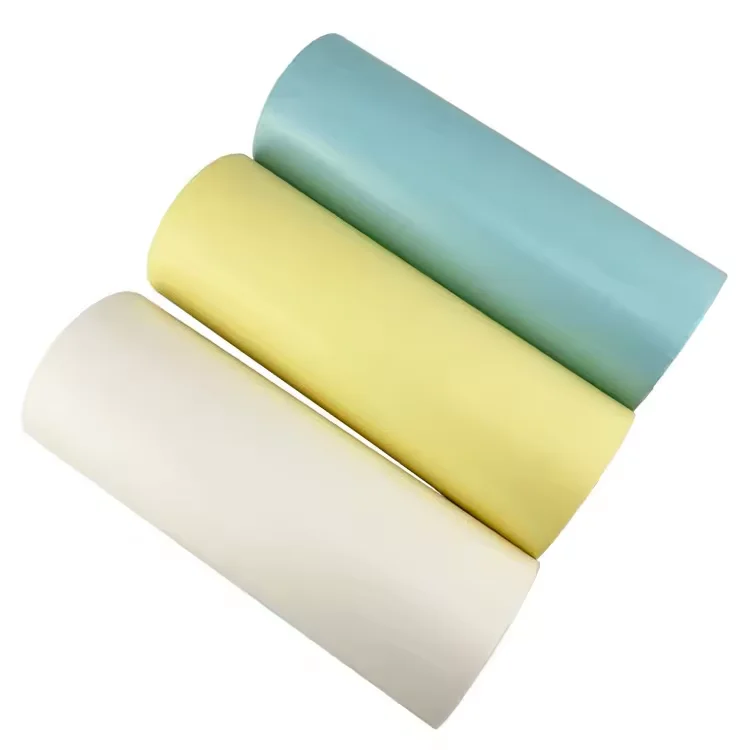
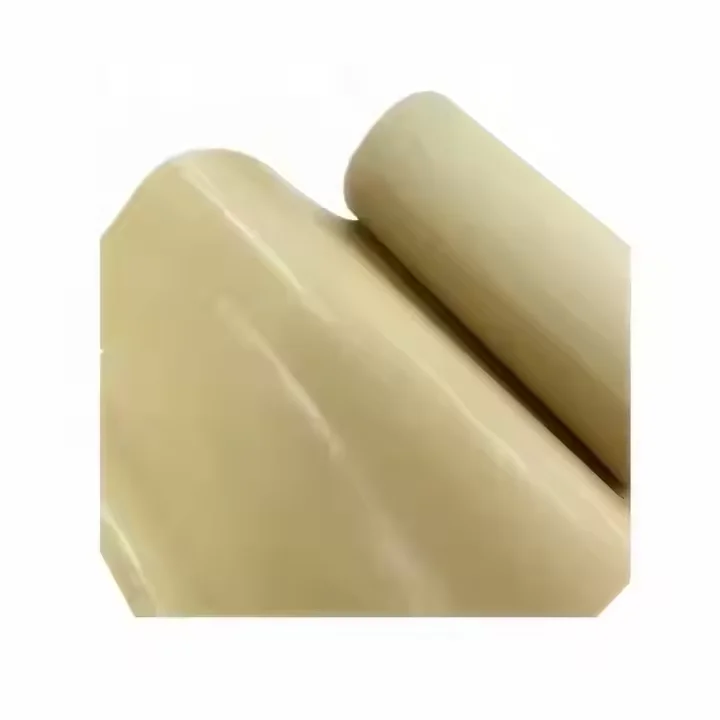
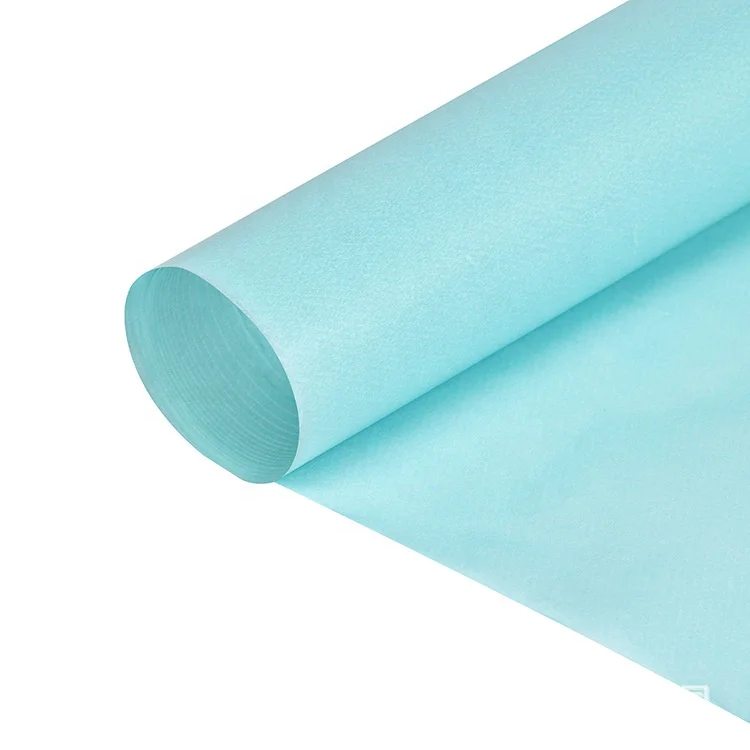
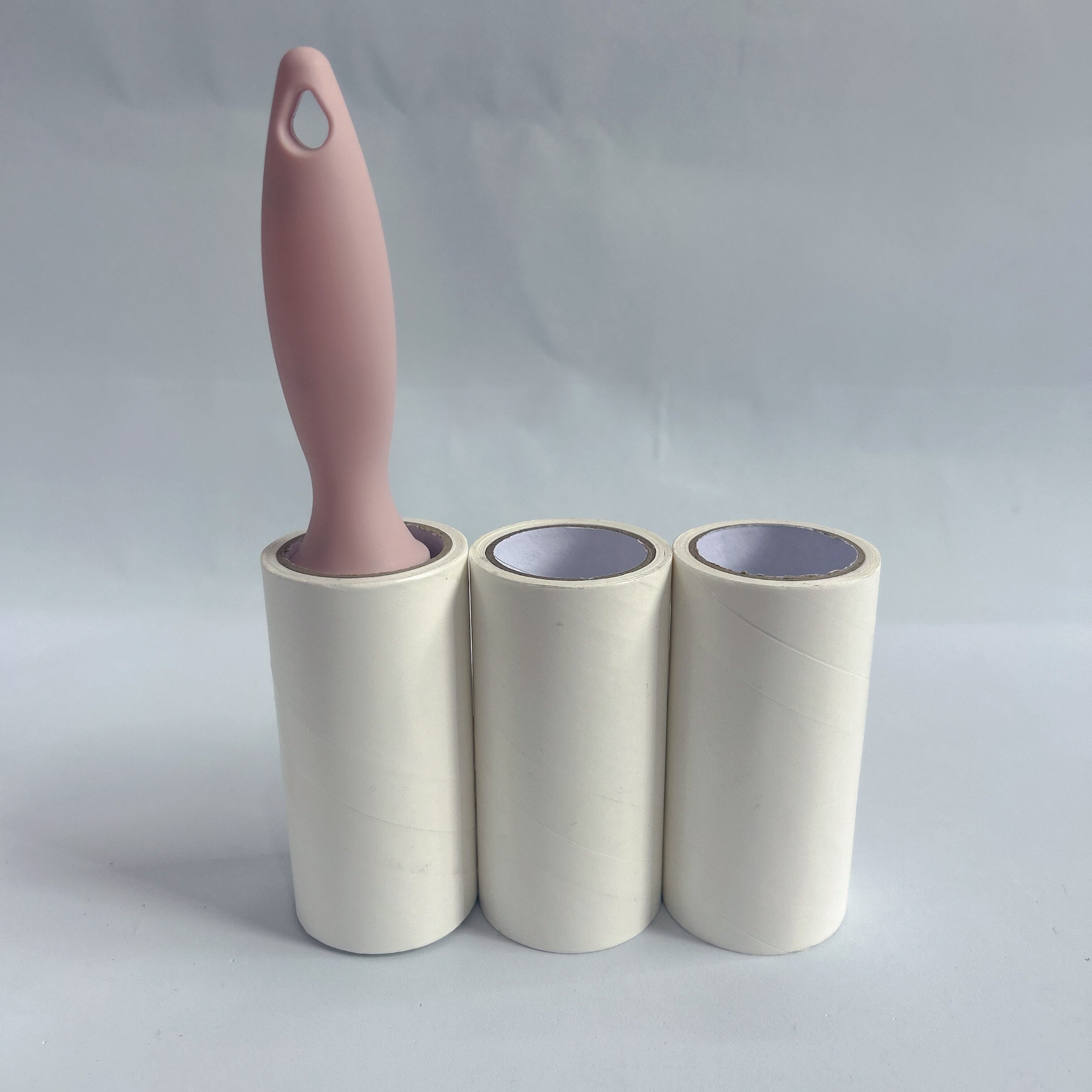
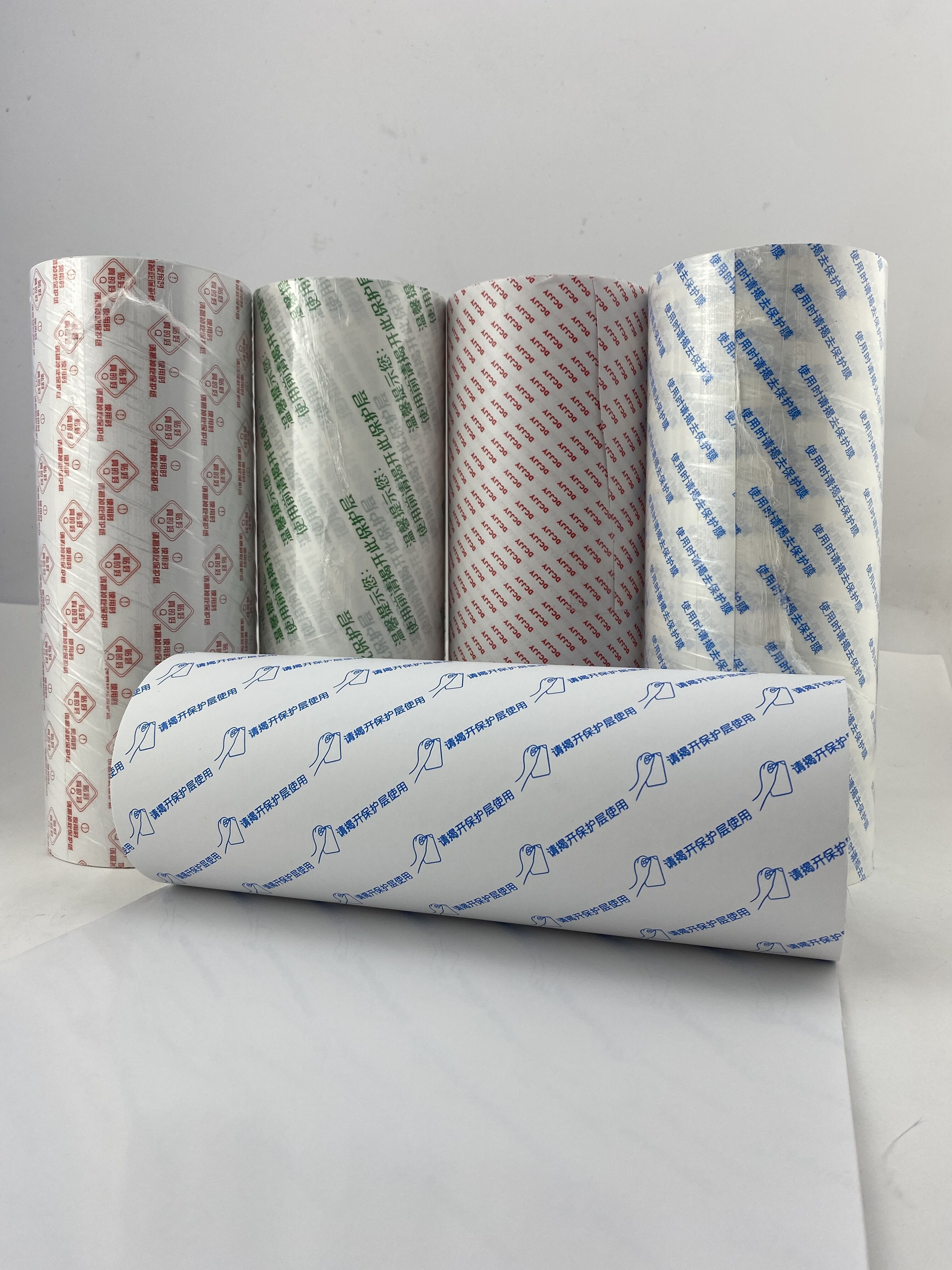
double sided silicone release paper
Double sided silicone release paper represents a revolutionary advancement in protective coating technology, offering unparalleled performance across diverse industrial applications. This specialized material features silicone coating on both surfaces, creating a dual-release system that provides exceptional non-stick properties and superior protection for sensitive materials during manufacturing, storage, and transportation processes. The double sided silicone release paper serves multiple critical functions in modern industrial operations. Its primary purpose involves creating a barrier between adhesive materials and other surfaces, preventing unwanted bonding while maintaining product integrity. The dual-coating system ensures consistent release properties on both sides, eliminating the need for directional orientation during application. This versatility significantly streamlines production workflows and reduces operational complexity. Technologically, double sided silicone release paper incorporates advanced silicone chemistry that delivers controlled release characteristics. The silicone coating penetrates the paper substrate while maintaining optimal surface smoothness, ensuring uniform release performance across the entire surface area. The manufacturing process involves precision coating techniques that guarantee consistent thickness and coverage, resulting in predictable release values that meet stringent industry standards. Key technological features include exceptional temperature resistance, chemical stability, and moisture barrier properties. The silicone coating maintains its performance characteristics across temperature ranges from -40°C to 200°C, making it suitable for various thermal processing applications. The chemical inertness of the silicone coating prevents contamination and ensures product purity in sensitive applications. Applications for double sided silicone release paper span multiple industries including electronics manufacturing, automotive production, medical device assembly, and food packaging. In electronics, it protects delicate components during assembly processes. Automotive manufacturers utilize it for gasket production and composite molding operations. Medical device producers rely on its sterile properties and biocompatibility for critical applications. The food industry benefits from its FDA-approved formulations that ensure safe contact with consumable products.
 EN
EN