 EN
EN

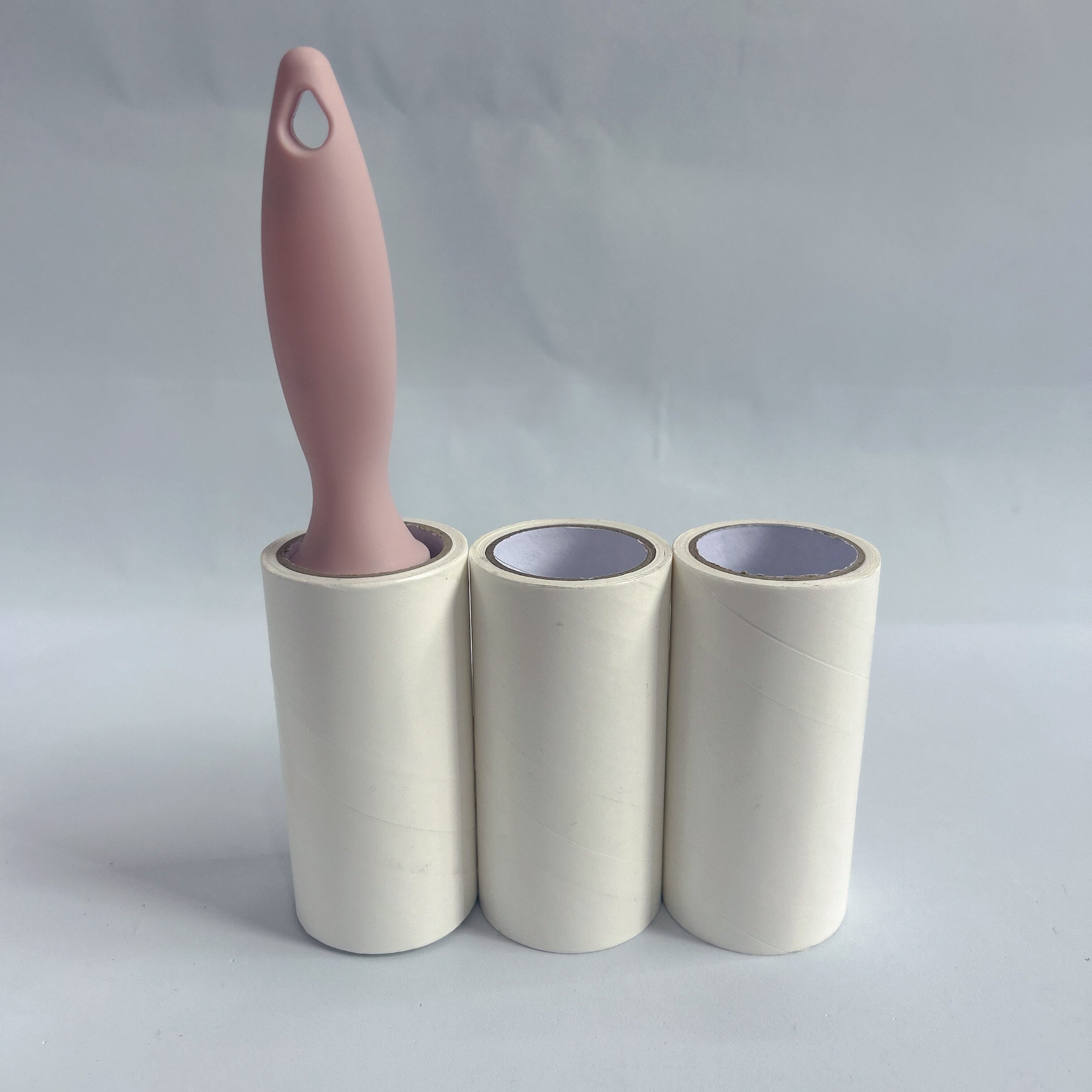
Pet ownership brings immeasurable joy and companionship, but it also comes with unique challenges that every animal lover must address. Among the most persistent issues faced by pet parents is managing the constant presence of pet hair on clothing, furniture, and throughout the home. A high-quality pet lint roller serves as an essential tool for maintaining cleanliness and professionalism in both personal and work environments. Modern pet owners increasingly recognize that investing in the right pet lint roller can transform their daily routine and significantly reduce the time spent on household maintenance.
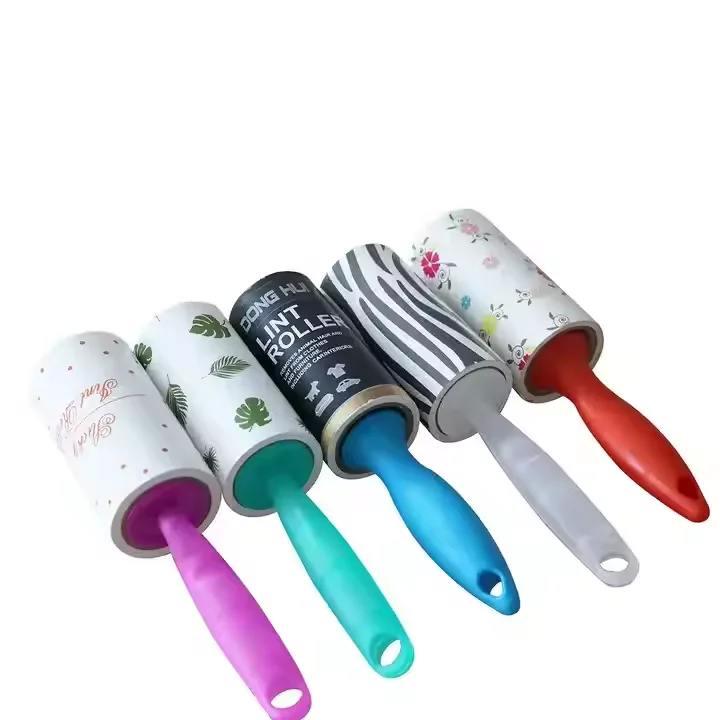
The development of specialized pet hair removal tools has evolved considerably over recent years, with manufacturers focusing on creating more effective adhesive surfaces and ergonomic designs. Professional groomers and veterinarians consistently recommend using a dedicated pet lint roller rather than standard lint removal products, as these specialized tools are engineered specifically to handle the unique characteristics of animal fur. The adhesive strength, roller width, and handle design of a quality pet lint roller are all optimized to provide maximum efficiency when dealing with pet hair removal challenges.
Understanding Pet Hair Removal Challenges
Types of Pet Hair and Their Removal Requirements
Different pet breeds produce varying types of hair that require specific removal approaches, making the selection of an appropriate pet lint roller crucial for effective cleaning. Long-haired breeds such as Persian cats or Golden Retrievers shed hair that tends to embed deeply into fabric fibers, requiring stronger adhesive surfaces to achieve complete removal. Short-haired animals like Beagles or American Shorthair cats produce fine hair that can become electrostatically charged and cling stubbornly to synthetic materials.
Double-coated breeds present particularly challenging hair removal scenarios, as they shed both undercoat and guard hairs simultaneously throughout seasonal changes. The undercoat consists of fine, dense hair that easily becomes airborne and settles on surfaces throughout the home, while guard hairs are typically longer and more visible but may be easier to remove. A professional-grade pet lint roller must be capable of handling both hair types effectively without losing adhesive strength during the cleaning process.
Seasonal Shedding Patterns and Preparation Strategies
Pet shedding patterns follow predictable seasonal cycles that smart pet owners can anticipate and prepare for with appropriate tools and strategies. Spring shedding typically begins in late February or early March, when pets naturally shed their winter coats in preparation for warmer weather. During this period, the volume of loose hair increases dramatically, making regular use of a reliable pet lint roller absolutely essential for maintaining clean living spaces.
Fall shedding occurs as pets prepare for winter by replacing their summer coats with denser, warmer fur. This transition period often produces the heaviest shedding of the entire year, requiring pet owners to increase their cleaning frequency significantly. Having multiple pet lint roller units strategically placed throughout the home ensures that hair removal can be performed immediately when needed, preventing accumulation on furniture and clothing.
Essential Features of High-Performance Pet Lint Rollers
Adhesive Technology and Durability Standards
The adhesive technology employed in premium pet lint roller products represents the most critical factor determining overall performance and user satisfaction. Advanced adhesive formulations maintain consistent stickiness across multiple uses while avoiding the common problem of leaving residue on cleaned surfaces. Medical-grade adhesives used in professional pet lint roller manufacturing provide superior hair pickup capability without causing damage to delicate fabrics or upholstery materials.
Durability standards for pet lint roller adhesive sheets have been established through extensive testing in real-world pet ownership scenarios. Quality manufacturers conduct rigorous testing protocols that simulate months of regular use, ensuring that each adhesive sheet maintains effectiveness until completely covered with collected hair. The backing material of professional pet lint roller sheets is designed to resist tearing during aggressive cleaning motions, providing reliable performance even under demanding conditions.
Ergonomic Design Elements and User Comfort
Ergonomic considerations play a vital role in pet lint roller design, as these tools are frequently used for extended periods during thorough cleaning sessions. Handle diameter, grip texture, and overall weight distribution directly impact user comfort and cleaning efficiency. Professional-grade pet lint roller handles incorporate non-slip materials that maintain secure grip even when hands are damp or when applying significant pressure during cleaning operations.
The rolling mechanism itself must operate smoothly across various surface textures without binding or skipping, ensuring consistent hair pickup performance. Ball bearing systems used in high-end pet lint roller designs provide decades of reliable operation while maintaining smooth rolling action. Handle length options accommodate different user preferences and cleaning applications, with longer handles providing better reach for furniture cleaning and shorter handles offering improved control for clothing maintenance.
Professional Applications and Industry Standards
Commercial Pet Care Facility Requirements
Professional pet care facilities including grooming salons, veterinary clinics, and boarding kennels maintain strict cleanliness standards that require industrial-grade pet lint roller solutions. These environments experience constant pet hair contamination across multiple surfaces, necessitating frequent and thorough cleaning protocols. Commercial pet lint roller systems must demonstrate superior adhesive longevity and handle design that withstands repeated daily use by multiple staff members.
Industry regulations governing pet care facilities often specify minimum cleanliness standards that directly impact pet lint roller selection and usage protocols. Professional facilities typically maintain multiple pet lint roller units throughout their workspace, ensuring immediate access whenever hair removal becomes necessary. Staff training programs include proper pet lint roller techniques to maximize cleaning efficiency and minimize adhesive sheet waste during operations.
Workplace Professional Standards and Dress Codes
Many professional workplaces maintain dress code policies that require employees to present a clean, hair-free appearance regardless of their pet ownership status. Pet owners working in corporate environments, healthcare facilities, or customer service roles must maintain professional standards that often necessitate thorough pet hair removal before arriving at work. A high-quality pet lint roller becomes an essential component of professional preparation routines.
Business travelers who own pets face additional challenges when maintaining professional appearance standards during extended trips. Portable pet lint roller options designed for travel use provide reliable hair removal capability without occupying excessive luggage space. These compact units maintain the same adhesive quality as full-size models while meeting airline carry-on restrictions for business professionals who cannot compromise their appearance standards.
Advanced Cleaning Techniques and Best Practices
Surface-Specific Application Methods
Different surfaces require specialized pet lint roller application techniques to achieve optimal hair removal results without causing damage to materials. Clothing items with delicate fabrics such as silk, cashmere, or fine wool need gentle rolling motions with minimal pressure to avoid fabric distortion. Synthetic fabrics like polyester and nylon often generate static electricity that helps attract pet hair to the roller surface, allowing for more efficient cleaning with lighter pressure applications.
Upholstered furniture cleaning requires systematic approaches that account for fabric grain direction and cushion construction details. Leather furniture demands special attention to avoid scratching or surface damage during pet lint roller use, requiring lighter pressure and shorter stroke patterns. Microfiber upholstery responds well to circular rolling motions that work against the fabric grain to release embedded pet hair effectively.
Maintenance and Storage Protocols
Proper maintenance protocols extend pet lint roller lifespan while ensuring consistent performance throughout the product lifecycle. Handle cleaning procedures involve regular inspection for hair accumulation around roller mechanisms and periodic lubrication of moving parts. Storage environments should maintain moderate temperature and humidity levels to preserve adhesive sheet effectiveness over extended periods.
Replacement scheduling for pet lint roller adhesive sheets depends on usage frequency and hair accumulation rates specific to individual pet ownership situations. Heavy shedding periods may require daily sheet replacement, while normal shedding conditions typically allow for multi-day sheet usage. Establishing replacement routines based on adhesive effectiveness rather than time intervals ensures optimal cleaning performance while minimizing waste.
Cost Analysis and Value Considerations
Long-Term Economic Benefits
Investment in a quality pet lint roller provides substantial long-term economic benefits that extend far beyond the initial purchase price. Professional clothing maintenance costs decrease significantly when pet owners can effectively remove hair at home rather than relying on dry cleaning services. Furniture replacement schedules extend considerably when regular pet lint roller maintenance prevents hair accumulation that leads to premature wear and hygiene issues.
The time savings associated with efficient pet lint roller use translates directly into economic value for busy pet owners. Quick daily maintenance routines prevent the need for extensive weekend cleaning sessions, freeing up valuable personal time for other activities. Professional pet lint roller systems typically provide superior cost-per-use ratios compared to disposable alternatives, making them economically advantageous for long-term use.
Comparative Analysis with Alternative Solutions
Alternative pet hair removal methods including vacuum attachments, rubber gloves, and fabric softener techniques require significantly more time and effort to achieve results comparable to quality pet lint roller performance. Vacuum-based solutions consume electricity and require setup time, making them impractical for quick touch-up cleaning. Rubber glove methods depend on static electricity generation that varies with humidity conditions, providing inconsistent results.
Fabric softener sprays and similar chemical solutions may temporarily reduce static cling but fail to physically remove existing pet hair from surfaces. These methods also introduce potential chemical residues that some pet owners prefer to avoid in their living environments. Pet lint roller solutions provide immediate, chemical-free hair removal without requiring electricity or complex preparation procedures.
Selection Criteria and Purchasing Guidelines
Quality Assessment Parameters
Evaluating pet lint roller quality requires assessment of multiple technical parameters that directly impact cleaning performance and product longevity. Adhesive sheet thickness measurements indicate durability potential, with thicker backing materials generally providing better tear resistance during aggressive cleaning motions. Sheet count per roll affects long-term value calculations, as higher sheet counts reduce replacement frequency requirements.
Handle construction materials determine overall product lifespan and user comfort during extended cleaning sessions. Metal components typically outlast plastic alternatives but may increase overall product weight. Roller width measurements directly impact cleaning efficiency, with wider rollers covering more surface area per stroke but potentially reducing maneuverability in tight spaces or detailed cleaning applications.
Brand Reputation and Performance Testing
Established pet lint roller manufacturers typically maintain consistent quality standards backed by extensive research and development investments. Customer review analysis provides valuable insights into real-world performance characteristics that may not be apparent from product specifications alone. Professional endorsements from veterinarians, groomers, and pet care facilities indicate products that meet industry performance standards.
Independent testing organizations evaluate pet lint roller products using standardized protocols that measure adhesive strength, sheet durability, and overall cleaning effectiveness. These objective assessments help consumers make informed purchasing decisions based on verified performance data rather than marketing claims alone. Warranty coverage and customer service responsiveness also indicate manufacturer confidence in product quality and commitment to customer satisfaction.
FAQ
How often should I replace the adhesive sheets on my pet lint roller
The frequency of adhesive sheet replacement depends on several factors including pet shedding patterns, cleaning surface types, and individual usage intensity. During heavy shedding seasons, daily sheet replacement may be necessary to maintain optimal cleaning performance. Under normal conditions, a single adhesive sheet can typically handle multiple cleaning sessions until the surface becomes completely covered with collected hair. The sheet should be replaced when it no longer picks up hair effectively, regardless of visual appearance.
Can a pet lint roller damage delicate fabrics or furniture
Quality pet lint roller products are designed to be safe for use on most fabric types when used with appropriate technique and pressure. Delicate materials such as silk, lace, or loosely woven fabrics require gentle application with minimal pressure to avoid snagging or distortion. Always test the pet lint roller on an inconspicuous area first, and use light, smooth motions rather than aggressive pressing or scraping actions. Professional-grade adhesives are formulated to avoid leaving residue on cleaned surfaces.
What makes a pet lint roller more effective than regular lint rollers
Pet lint roller products feature specialized adhesive formulations designed specifically for animal hair characteristics, providing stronger initial tack and maintaining effectiveness longer than standard lint removal tools. The roller width, handle length, and adhesive sheet composition are optimized for pet hair removal challenges. Regular lint rollers typically use lighter adhesives suitable for dust and fabric fibers but lack the strength necessary for effective pet hair pickup, especially from embedded or static-charged hair.
How should I store my pet lint roller to maintain its effectiveness
Proper storage involves keeping the pet lint roller in a cool, dry environment away from direct sunlight and extreme temperature fluctuations. The protective cover should remain in place when not in use to prevent dust accumulation on the adhesive surface and maintain stickiness. Avoid storing in areas with high humidity such as bathrooms or basements, as moisture can compromise adhesive performance. Vertical storage helps prevent handle warping and maintains roller mechanism alignment for smooth operation.