 EN
EN

The packaging industry is experiencing a revolutionary shift toward sustainable solutions, with businesses and consumers increasingly demanding environmentally responsible alternatives to traditional materials. Among the most promising options emerging in this green revolution is glassine paper, a transparent, grease-resistant material that combines exceptional functionality with eco-friendly properties. This remarkable paper offers manufacturers and packaging professionals a compelling solution that addresses both performance requirements and environmental concerns without compromising quality or effectiveness.
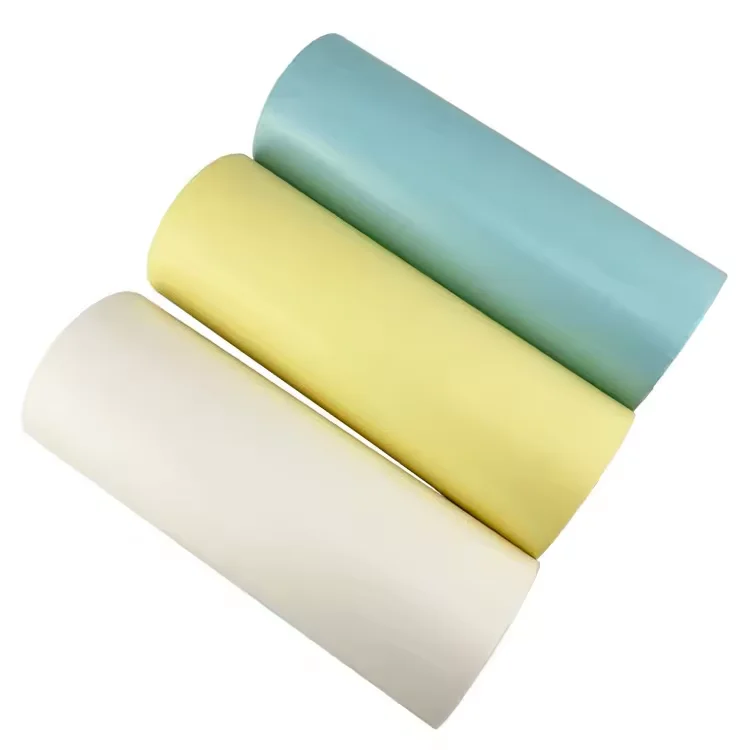
Modern packaging demands have evolved beyond simple containment and protection, encompassing sustainability metrics that influence purchasing decisions across industries. Glassine paper emerges as a versatile material that meets these complex requirements while providing superior barrier properties, transparency, and recyclability. Its unique manufacturing process creates a smooth, dense surface that resists moisture, grease, and air penetration, making it ideal for food packaging, pharmaceutical applications, and industrial uses where product integrity is paramount.
Understanding Glassine Paper Properties
Manufacturing Process and Material Characteristics
The production of glassine paper involves a specialized calendering process that transforms regular paper into a smooth, transparent material with exceptional barrier properties. During manufacturing, paper pulp undergoes intense pressure and heat treatment through steel rollers, creating a dense, non-porous surface that exhibits remarkable resistance to liquids and gases. This mechanical treatment aligns the paper fibers and eliminates air pockets, resulting in the characteristic transparency and smooth texture that distinguishes glassine paper from conventional packaging materials.
The calendering process creates microscopic changes in the paper structure, forming hydrogen bonds between cellulose fibers that enhance the material's strength and barrier performance. Unlike coated papers that rely on synthetic additives, glassine paper achieves its properties through purely mechanical means, maintaining its biodegradable nature while delivering superior functionality. This natural approach to barrier enhancement makes glassine paper an attractive alternative for companies seeking sustainable packaging solutions without sacrificing performance standards.
Physical and Chemical Properties
Glassine paper exhibits exceptional physical properties that make it suitable for demanding packaging applications across various industries. The material demonstrates excellent tensile strength, tear resistance, and dimensional stability under varying environmental conditions. Its smooth surface provides superior printability and allows for consistent ink adhesion, making it ideal for applications requiring high-quality graphics or precise labeling requirements.
The chemical resistance of glassine paper extends to oils, greases, and many solvents, providing reliable protection for packaged products. This resistance stems from the dense fiber structure created during the calendering process, which minimizes the material's porosity and prevents liquid penetration. Additionally, glassine paper maintains its integrity across a wide temperature range, ensuring consistent performance in both ambient and controlled storage environments.
Environmental Benefits and Sustainability
Biodegradability and Compostability
One of the most compelling advantages of glassine paper lies in its complete biodegradability and compostability, setting it apart from plastic-based packaging materials that persist in the environment for decades. When disposed of properly, glassine paper decomposes naturally within weeks or months, breaking down into harmless organic compounds that enrich soil rather than contaminating it. This rapid decomposition occurs because glassine paper contains no synthetic coatings or chemical additives that would impede natural degradation processes.
Commercial composting facilities readily accept glassine paper, where controlled conditions accelerate the decomposition process and integrate the material into valuable compost products. Home composting systems also accommodate glassine paper effectively, allowing consumers to dispose of packaging waste responsibly without contributing to landfill accumulation. The material's compatibility with existing waste management infrastructure eliminates the need for specialized disposal methods, simplifying the end-of-life process for both businesses and consumers.
Carbon Footprint and Resource Conservation
The production of glassine paper generates significantly lower carbon emissions compared to plastic alternatives, primarily due to the renewable nature of its raw materials and the efficiency of modern paper manufacturing processes. Wood fibers used in glassine paper production come from sustainably managed forests, where trees actively sequester carbon dioxide during growth, creating a net positive environmental impact. Manufacturing facilities increasingly utilize renewable energy sources and implement closed-loop water systems, further reducing the environmental footprint of glassine paper production.
Resource conservation benefits extend throughout the glassine paper lifecycle, from raw material sourcing to end-of-life disposal. The material requires less energy to produce than comparable plastic films and generates minimal waste during manufacturing processes. Recycling infrastructure readily accommodates glassine paper, allowing it to be processed alongside other paper products and reintegrated into new manufacturing cycles, creating a circular economy model that maximizes resource utilization while minimizing waste generation.
Industrial Applications and Performance
Food Packaging and Safety Standards
Food packaging represents one of the largest application areas for glassine paper, where its natural barrier properties and food-safe characteristics provide essential protection for consumable products. The material meets stringent food contact regulations without requiring additional coatings or treatments that might introduce contaminants or affect product flavor. Its grease resistance makes it particularly valuable for packaging baked goods, confections, and prepared foods where oil migration could compromise product quality or consumer appeal.
The transparent nature of glassine paper allows consumers to view products while maintaining freshness and protection, creating an ideal balance between marketing appeal and functional performance. Moisture resistance prevents condensation buildup that could lead to product deterioration, while the material's breathability prevents excessive humidity accumulation that might promote bacterial growth. These properties make glassine paper particularly suitable for fresh produce packaging, where maintaining optimal moisture levels is critical for product longevity.
Pharmaceutical and Medical Applications
The pharmaceutical industry relies heavily on glassine paper for sterile packaging applications where product integrity and contamination prevention are paramount concerns. Medical device manufacturers utilize glassine paper for sterile barrier packaging systems that maintain product sterility while allowing sterilization gases to penetrate during processing. The material's consistent thickness and uniform barrier properties ensure reliable protection throughout the distribution chain, from manufacturing facilities to end users.
Drug packaging applications benefit from glassine paper's chemical inertness and moisture protection capabilities, which prevent active pharmaceutical ingredients from degrading due to environmental exposure. The material's compatibility with various sterilization methods, including gamma radiation and ethylene oxide treatment, makes it versatile for different pharmaceutical manufacturing processes. Additionally, its printability allows for clear labeling and identification requirements essential for pharmaceutical compliance and patient safety.
Economic Advantages and Cost Considerations
Manufacturing Efficiency and Processing Benefits
Manufacturing operations benefit significantly from the processing characteristics of glassine paper, which offers excellent machinability and consistent performance across various packaging equipment configurations. The material's smooth surface reduces friction during high-speed packaging operations, minimizing wear on machinery components and reducing maintenance requirements. Its dimensional stability prevents jamming and misfeeding issues that commonly occur with less stable packaging materials, resulting in higher production efficiency and reduced downtime.
Converting operations find glassine paper particularly advantageous due to its clean cutting properties and resistance to tearing during processing. The material's uniform thickness and consistent quality reduce waste generation during manufacturing, improving overall material utilization rates and reducing production costs. Print quality remains consistently high across production runs, eliminating the need for frequent press adjustments and reducing setup times between jobs.
Supply Chain and Storage Advantages
Supply chain management benefits from glassine paper's stability and storage characteristics, which reduce inventory risks and handling complexities associated with more sensitive packaging materials. The material maintains its properties across wide temperature and humidity ranges, eliminating the need for climate-controlled storage facilities that increase operational costs. Its resistance to moisture and contamination reduces product loss during storage and transportation, improving overall supply chain efficiency.
Shipping advantages include glassine paper's relatively light weight compared to alternative barrier materials, reducing transportation costs and carbon emissions associated with product distribution. The material's ability to maintain integrity during handling reduces packaging damage and associated replacement costs. Warehouse operations benefit from the material's stack stability and resistance to compression, allowing for efficient storage utilization without compromising product quality.
Comparison with Alternative Materials
Performance Versus Plastic Films
When comparing glassine paper to traditional plastic films, several performance characteristics demonstrate the superior environmental profile without significant functional compromises. Barrier properties of glassine paper often exceed those of thin plastic films, particularly for grease and oil resistance applications. While plastic films may offer superior moisture barrier performance in some applications, glassine paper provides adequate protection for most packaging requirements while delivering complete biodegradability.
Processing advantages of glassine paper include better printability and ink adhesion compared to many plastic substrates, resulting in higher quality graphics and more vibrant colors. The material's natural antistatic properties reduce dust attraction and handling difficulties common with plastic films. Additionally, glassine paper eliminates concerns about plastic migration into food products, providing inherent safety advantages for direct food contact applications.
Advantages Over Wax Papers
Traditional wax papers, while offering some barrier properties, present several disadvantages compared to glassine paper in modern packaging applications. Wax coatings can transfer to packaged products, potentially affecting taste and creating food safety concerns, particularly when exposed to heat or extended storage periods. The petroleum-based nature of wax coatings also conflicts with sustainability objectives that increasingly influence packaging material selection decisions.
Glassine paper provides superior transparency compared to wax papers, allowing better product visibility that enhances marketing appeal and consumer confidence. The material's heat resistance exceeds that of wax papers, preventing coating migration or deformation during storage in warm environments. Recycling compatibility represents another significant advantage, as glassine paper processes easily through standard paper recycling streams without the contamination issues associated with wax-coated materials.
Future Trends and Innovation
Technological Developments
Ongoing research and development in glassine paper manufacturing focus on enhancing barrier properties through innovative processing techniques and sustainable additives. Advanced calendering methods promise even better transparency and barrier performance while maintaining the material's biodegradable characteristics. Nanotechnology applications show potential for improving specific barrier properties without compromising environmental benefits or introducing synthetic contaminants.
Surface treatment innovations aim to expand the functional capabilities of glassine paper while preserving its eco-friendly profile. These developments include natural barrier coatings derived from renewable sources and mechanical texturing processes that enhance specific performance characteristics. Manufacturing efficiency improvements continue to reduce production costs and environmental impact, making glassine paper increasingly competitive with conventional packaging materials across broader application ranges.
Market Growth and Industry Adoption
Market demand for glassine paper continues growing as sustainability regulations and consumer preferences drive adoption across multiple industries. Regulatory initiatives targeting single-use plastics create opportunities for glassine paper in applications previously dominated by synthetic materials. Industry partnerships between glassine paper manufacturers and packaging converters accelerate product development and market penetration in specialized application areas.
Investment in production capacity reflects growing confidence in glassine paper's market potential, with manufacturers expanding facilities and developing specialized grades for emerging applications. International markets show particularly strong growth as developing economies implement environmental protection measures and seek sustainable packaging alternatives. The integration of glassine paper into circular economy initiatives positions the material as a key component in sustainable packaging strategies for the future.
FAQ
What makes glassine paper environmentally superior to plastic packaging
Glassine paper offers complete biodegradability and compostability, breaking down naturally within weeks or months without leaving harmful residues in the environment. Unlike plastic packaging that persists for decades, glassine paper decomposes into organic compounds that enrich soil rather than contaminate it. The material requires less energy to produce than plastic alternatives and comes from renewable forest resources that actively sequester carbon dioxide during growth, creating a net positive environmental impact throughout its lifecycle.
Can glassine paper provide adequate barrier protection for sensitive products
Yes, glassine paper provides excellent barrier protection against grease, oil, moisture, and air penetration through its dense, calendered structure. The manufacturing process creates microscopic changes that align paper fibers and eliminate air pockets, resulting in barrier properties that often exceed thin plastic films. The material maintains its protective characteristics across wide temperature ranges and demonstrates chemical resistance to various solvents and contaminants, making it suitable for demanding packaging applications in food, pharmaceutical, and industrial sectors.
How does the cost of glassine paper compare to traditional packaging materials
While glassine paper may have slightly higher initial material costs compared to some plastic films, the total cost of ownership often favors glassine paper when considering disposal, regulatory compliance, and sustainability benefits. Manufacturing efficiency advantages include reduced machinery wear, consistent processing performance, and minimal waste generation. Supply chain benefits such as stable storage characteristics, reduced handling complexities, and lighter shipping weights contribute to overall cost advantages that offset any premium in material pricing.
What industries benefit most from switching to glassine paper packaging
Food packaging industries benefit significantly from glassine paper's grease resistance, food safety properties, and transparency that enhances product appeal. Pharmaceutical and medical device manufacturers value its sterile barrier capabilities and compatibility with various sterilization methods. Industrial applications requiring chemical resistance and dimensional stability find glassine paper particularly advantageous. Additionally, any industry facing sustainability mandates or consumer pressure for eco-friendly packaging can leverage glassine paper's environmental benefits while maintaining product protection and quality standards.
Table of Contents
- Understanding Glassine Paper Properties
- Environmental Benefits and Sustainability
- Industrial Applications and Performance
- Economic Advantages and Cost Considerations
- Comparison with Alternative Materials
- Future Trends and Innovation
-
FAQ
- What makes glassine paper environmentally superior to plastic packaging
- Can glassine paper provide adequate barrier protection for sensitive products
- How does the cost of glassine paper compare to traditional packaging materials
- What industries benefit most from switching to glassine paper packaging