 EN
EN

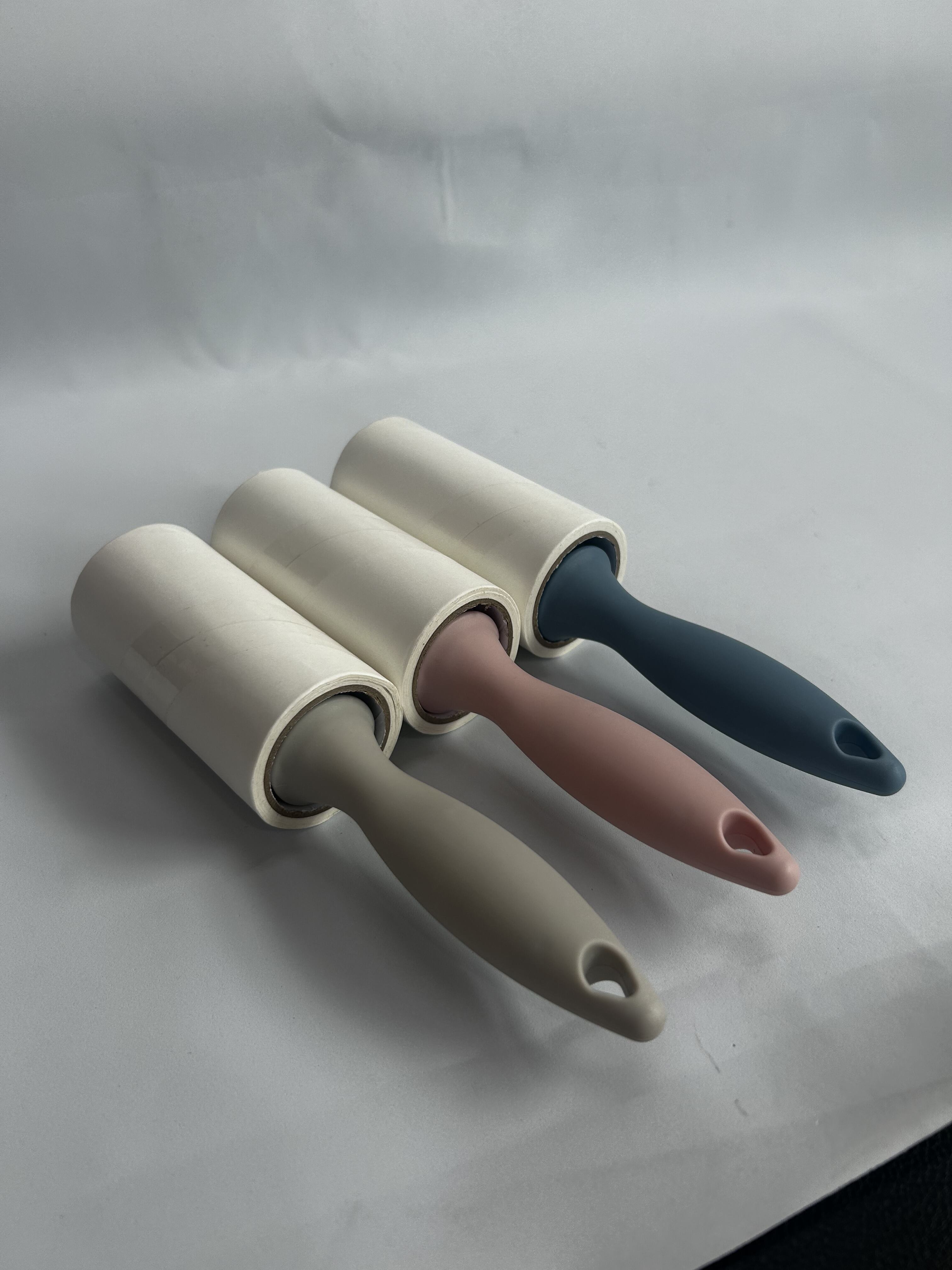
Pet owners know the constant battle against fur, dander, and debris that seems to multiply faster than you can clean it. A pet lint roller becomes an indispensable tool in maintaining a spotless home environment, but many people only scratch the surface of its potential. Understanding advanced techniques and strategic applications can transform your cleaning routine from tedious to efficient, saving both time and effort while achieving professional-grade results.
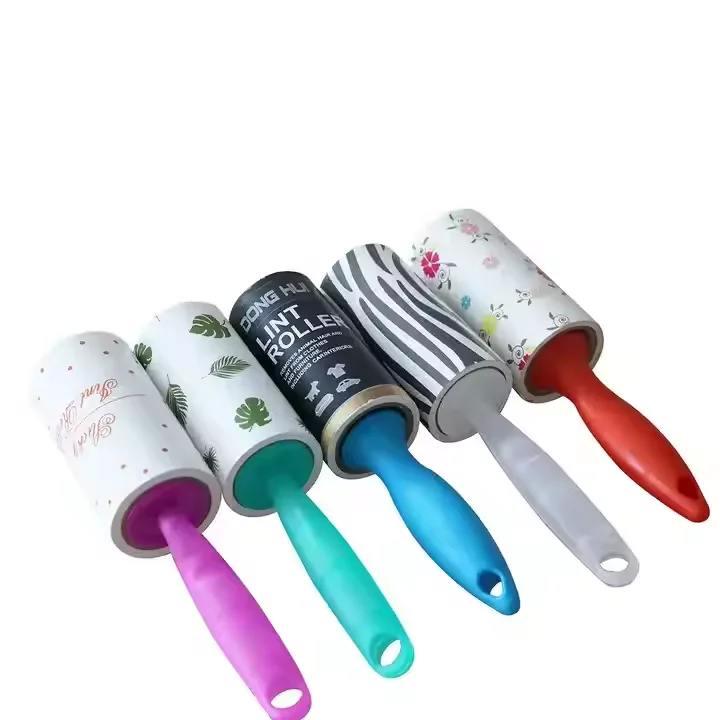
Advanced Techniques for Maximum Efficiency
Directional Rolling Strategies
The direction you roll your pet lint roller significantly impacts its effectiveness on different surfaces and fabric types. Most users make the mistake of rolling back and forth, which can actually redistribute pet hair rather than removing it completely. Professional cleaners recommend using consistent one-directional strokes, starting from the top of the surface and working systematically downward. This technique ensures that each stroke captures maximum debris while preventing hair from being pushed deeper into fabric fibers.
For upholstered furniture, begin rolling from the backrest toward the seat cushion, maintaining steady pressure throughout each stroke. On clothing items, always roll from shoulder to hem or sleeve to cuff, following the natural grain of the fabric. This methodical approach not only removes more pet hair per pass but also extends the life of your pet lint roller sheets by maximizing their adhesive contact with debris.
Pressure and Speed Optimization
The relationship between rolling pressure and speed determines how effectively your pet lint roller captures different types of pet debris. Light, quick strokes work best for surface-level fur and lint, while slower, firmer pressure is necessary for embedded hair that has worked its way deep into fabric weaves. Experiment with varying your technique based on the specific cleaning challenge at hand.
Professional cleaning services often use a three-pass system when using a pet lint roller on heavily affected areas. The first pass uses light pressure to remove surface debris, the second pass applies moderate pressure to capture partially embedded hair, and the final pass uses firm, slow strokes to extract the most stubborn pet hair. This systematic approach ensures thorough cleaning while preventing damage to delicate fabrics.
Strategic Applications for Different Surfaces
Fabric and Upholstery Mastery
Different fabric types require specific pet lint roller techniques to achieve optimal results without causing damage. Velvet and corduroy fabrics benefit from rolling against the natural nap direction, while smooth fabrics like cotton and polyester respond better to rolling with the grain. Understanding these nuances helps you adapt your approach for maximum effectiveness across various household items.
For delicate fabrics such as silk or wool, use gentle pressure and test the pet lint roller on an inconspicuous area first. Some high-end fabrics may require specialized low-tack rollers to prevent pulling or damage. Microfiber furniture often traps pet hair electrostatically, making it particularly challenging to clean with standard techniques. In these cases, lightly dampening the pet lint roller can improve its effectiveness by reducing static buildup.
Carpet and Rug Considerations
Carpeted surfaces present unique challenges that require modified pet lint roller techniques for successful hair removal. Short-pile carpets respond well to traditional rolling methods, but long-pile or shag carpets may require a different approach. Use shorter, overlapping strokes on deep-pile carpets to prevent the roller from becoming overwhelmed with debris.
Area rugs can be treated more aggressively than wall-to-wall carpeting since they can be repositioned and cleaned from multiple angles. Consider using your pet lint roller in conjunction with other tools like rubber gloves or fabric brushes to loosen embedded hair before rolling. This combination approach often yields superior results compared to using any single tool alone.
Maintenance and Longevity Tips
Proper Storage Methods
Extending the life of your pet lint roller requires proper storage techniques that maintain the adhesive quality of the sheets. Store rollers in cool, dry environments away from direct sunlight and heat sources that can compromise adhesive effectiveness. Many people make the mistake of leaving their pet lint roller in hot cars or humid bathrooms, which significantly reduces sheet lifespan and cleaning performance.
Consider investing in protective covers or cases for your pet lint roller, especially if you use it frequently throughout your home. These accessories prevent dust accumulation on unused sheets and maintain optimal stickiness for when you need maximum cleaning power. Some advanced storage solutions include wall-mounted holders that keep the roller easily accessible while protecting it from environmental factors.
Sheet Optimization Techniques
Maximizing the effectiveness of each pet lint roller sheet requires strategic usage patterns that extend their functional lifespan. Rather than using the entire width of the sheet uniformly, focus on using specific sections for different types of debris. Reserve the stickiest portions for the most challenging cleaning tasks while using less adhesive areas for light maintenance cleaning.
Professional cleaners often employ a rotation technique where they use different sections of the pet lint roller sheet for various surfaces throughout their cleaning routine. This approach ensures that each sheet delivers maximum value while maintaining consistent cleaning performance across multiple tasks and surface types.
Creative Applications Beyond Basic Cleaning
Preventive Maintenance Strategies
Using your pet lint roller proactively rather than reactively can dramatically reduce the overall cleaning burden in pet-owning households. Establish regular maintenance schedules that incorporate quick rolling sessions on high-traffic areas before pet hair has a chance to embed deeply into fabrics. This preventive approach is far more efficient than waiting for visible accumulation.
Consider implementing a daily five-minute pet lint roller routine that targets key areas where pets spend the most time. Focus on favorite sleeping spots, frequently used furniture, and areas where pets enter and exit the home. This consistent approach maintains a baseline cleanliness level that makes deep cleaning sessions more manageable and effective.
Multi-Surface Integration
Modern pet lint roller designs often feature handles and heads that work effectively across various surface types beyond traditional fabric applications. Explore using your pet lint roller on lampshades, curtains, car interiors, and even some hard surfaces where pet hair tends to accumulate due to static electricity.
Some pet lint roller models include specialized attachments or heads designed for specific applications like detailed automotive cleaning or reaching into tight spaces around furniture. Understanding the full range of your pet lint roller capabilities allows you to consolidate cleaning tools and streamline your maintenance routine across different areas of your home.
Professional-Grade Results
Commercial Cleaning Standards
Professional cleaning services rely on systematic pet lint roller techniques that ensure consistent, thorough results across diverse client environments. These methods emphasize efficiency, effectiveness, and reproducible outcomes that meet commercial cleanliness standards. Adapting these professional approaches to home use can significantly improve your cleaning results.
Professional-grade pet lint roller usage typically involves pre-treatment assessment, systematic application patterns, and quality verification steps. This structured approach ensures that no areas are missed while optimizing the use of consumable roller sheets. Implementing similar protocols in your home cleaning routine can deliver consistently superior results.
Quality Assessment Methods
Developing objective standards for evaluating pet lint roller effectiveness helps ensure consistent cleaning quality over time. Professional cleaners use specific criteria to assess surface cleanliness and determine when additional treatment is necessary. These assessment techniques can be adapted for home use to maintain consistently high cleaning standards.
Visual inspection techniques combined with tactile assessment provide comprehensive feedback on pet lint roller performance. Learn to recognize when surfaces have been adequately cleaned versus when additional treatment is needed. This skill development leads to more efficient cleaning sessions and better overall results with your pet lint roller investment.
FAQ
How often should I replace my pet lint roller sheets
Pet lint roller sheet replacement frequency depends on usage intensity and surface types being cleaned. For moderate household use, most sheets remain effective for 10-15 rolling sessions on various surfaces. However, heavily soiled areas or thick pet hair may require more frequent sheet changes. Monitor adhesive performance and replace sheets when they no longer effectively capture debris, regardless of appearance.
Can I use a pet lint roller on all fabric types safely
While pet lint roller designs accommodate most common household fabrics, certain delicate materials require special consideration. Test your pet lint roller on inconspicuous areas of silk, wool, or other delicate fabrics before full application. Some ultra-delicate materials may require specialized low-tack rollers or alternative cleaning methods to prevent damage while still achieving effective pet hair removal.
What makes some pet lint roller brands more effective than others
Pet lint roller effectiveness varies based on adhesive quality, sheet thickness, handle design, and overall construction quality. Premium brands typically feature stronger adhesives that maintain effectiveness longer, ergonomic handles that reduce user fatigue, and sheets that resist tearing during use. Consider these factors when selecting a pet lint roller for demanding household cleaning applications.
How can I make my pet lint roller last longer between replacements
Extending pet lint roller lifespan involves proper storage in cool, dry conditions and strategic usage patterns that maximize sheet effectiveness. Rotate usage across different sheet sections, avoid pressing too hard on initial passes, and clean surfaces in systematic patterns that prevent debris redistribution. Additionally, combining your pet lint roller with complementary tools like brushes or rubber gloves can reduce the cleaning burden on adhesive sheets.