Advanced Thermal Stability and Processing Performance
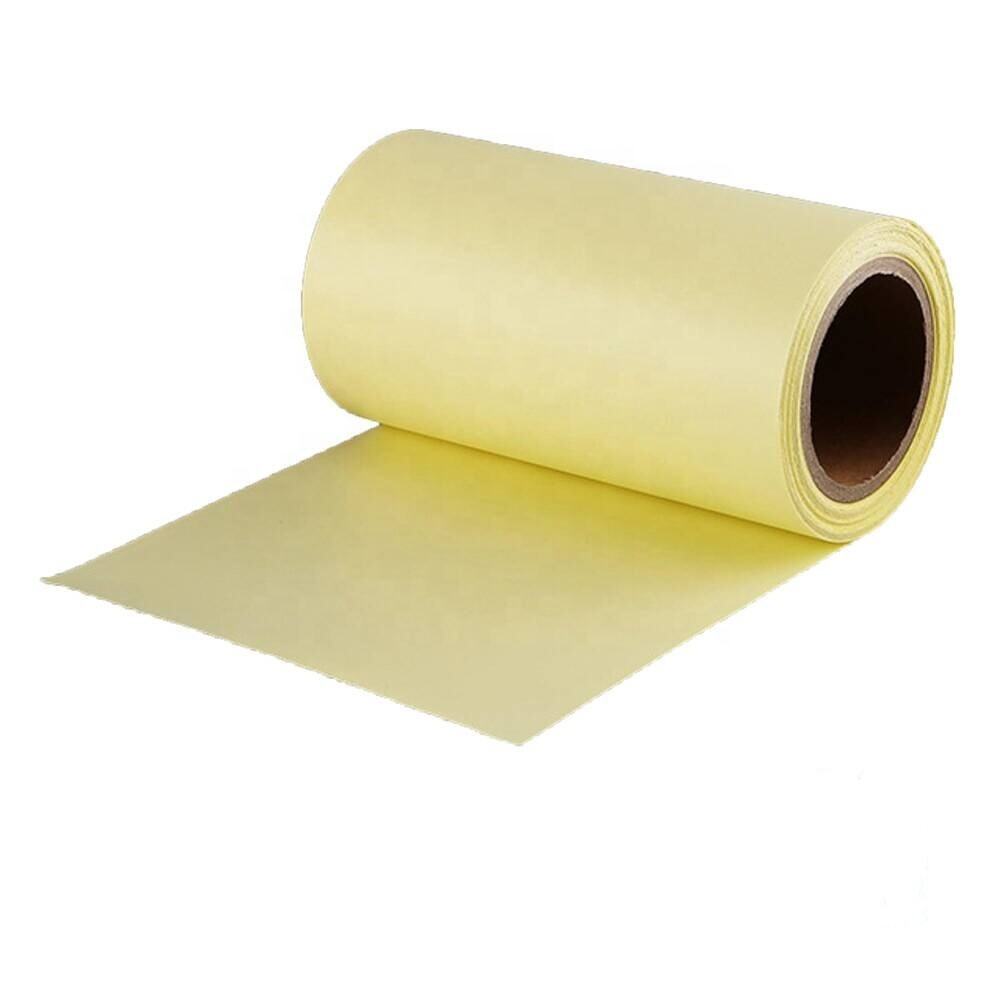
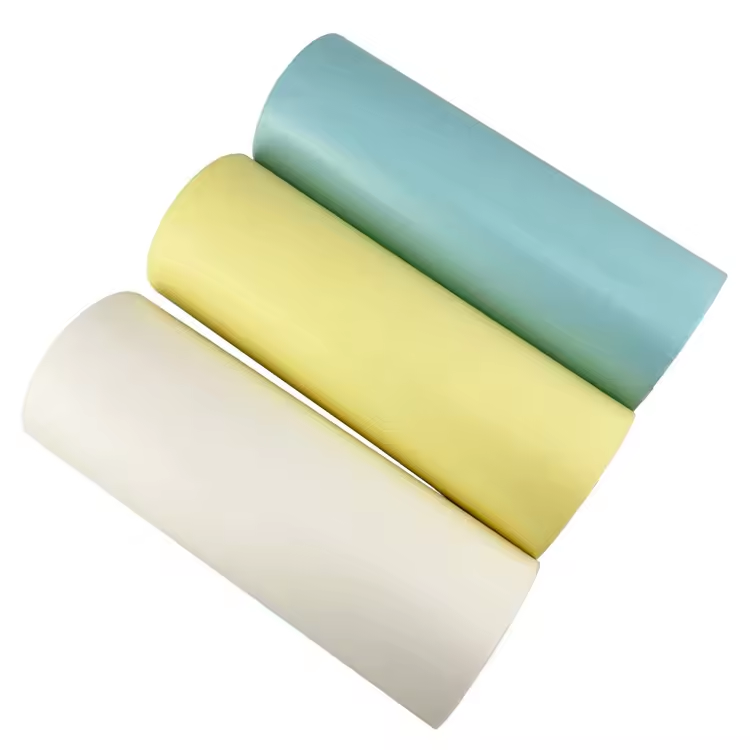
Quality release paper incorporates advanced thermal stability features that enable superior performance across demanding processing conditions and temperature variations. The specialized release coating maintains its non-stick properties at elevated temperatures commonly encountered in laminating, hot-melt applications, and thermal forming processes. This thermal stability prevents coating degradation that could lead to adhesive transfer or inconsistent release characteristics during high-temperature operations. The base paper substrate undergoes special treatments to resist dimensional changes under thermal stress, ensuring flat, wrinkle-free performance throughout processing cycles. Heat resistance capabilities extend beyond simple temperature tolerance to include thermal shock resistance, allowing the material to withstand rapid temperature changes without compromising structural integrity or release performance. Quality release paper demonstrates excellent thermal cycling performance, maintaining consistent properties through repeated heating and cooling cycles that simulate real-world processing conditions. The advanced formulation resists thermal aging effects that could alter release characteristics over time or under prolonged elevated temperature exposure. Processing benefits include the ability to operate at higher line speeds and temperatures, improving production efficiency while maintaining product quality standards. The thermal stability enables compatibility with diverse adhesive systems, including hot-melt formulations that require elevated application temperatures. Manufacturing facilities achieve energy savings through optimized processing temperatures that balance cure rates with material performance requirements. Quality release paper thermal properties remain stable across seasonal temperature variations, eliminating the need for climate-controlled storage or special handling procedures. The superior thermal performance enables manufacturers to expand their product offerings into temperature-sensitive applications while maintaining confidence in release paper performance. Comprehensive thermal testing protocols verify performance characteristics across the complete operating temperature range, providing manufacturers with detailed application guidelines and performance specifications.
 EN
EN