 EN
EN

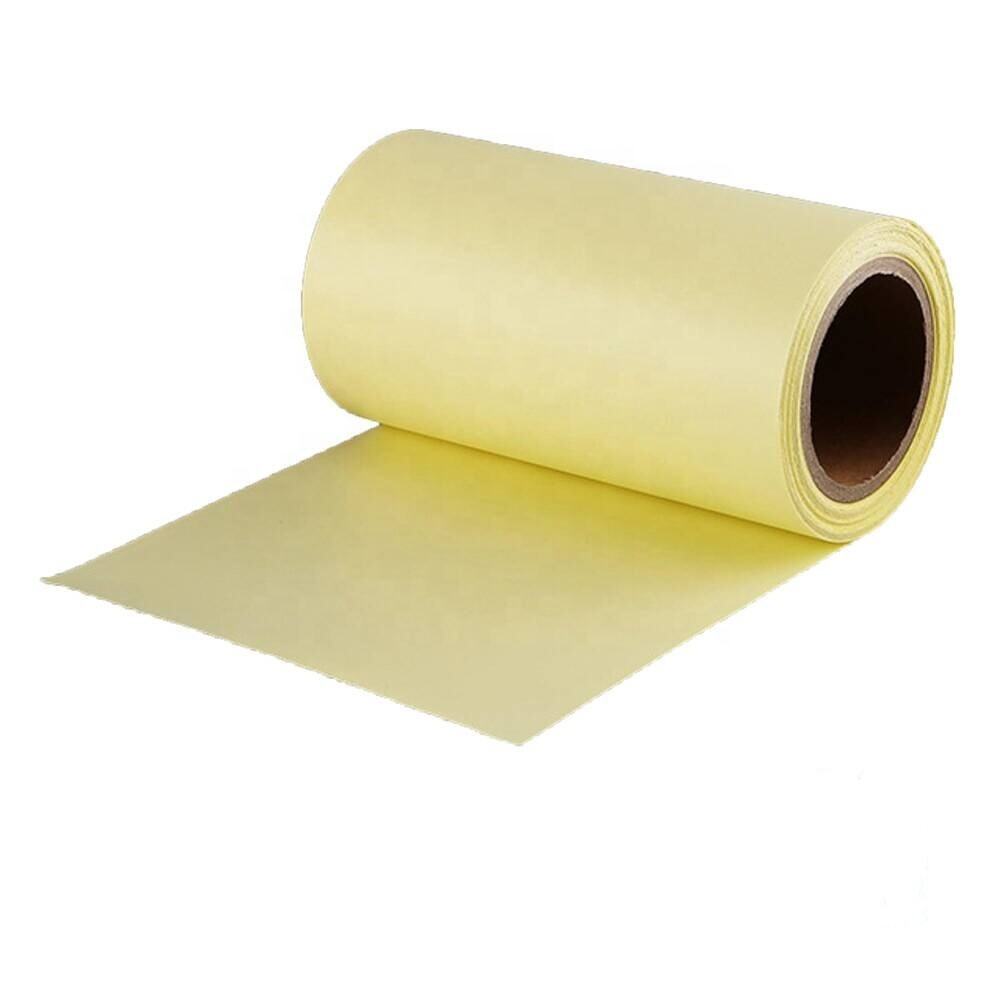
In the rapidly evolving packaging industry of 2025, selecting the right liner paper has become more crucial than ever for businesses seeking optimal performance, cost-effectiveness, and sustainability. Liner paper serves as a fundamental component in various packaging applications, from protective wrapping to release backing for adhesive materials. Understanding the nuances of different liner paper types, their properties, and applications can significantly impact your packaging operations' success and efficiency.
The packaging landscape continues to transform with increasing demands for sustainable solutions, enhanced barrier properties, and improved manufacturing efficiency. Modern liner paper options now incorporate advanced coatings, specialized treatments, and innovative materials that address these evolving requirements. Whether you're packaging food products, industrial components, or consumer goods, the quality and characteristics of your chosen liner paper directly influence product protection, shelf life, and overall customer satisfaction.
Understanding Liner Paper Fundamentals
Core Properties and Characteristics
Liner paper exhibits specific properties that make it indispensable in packaging applications. The base material typically consists of kraft paper, which provides excellent strength and durability while maintaining flexibility for various forming operations. Surface treatments and coatings enhance these base properties, creating specialized functionalities such as moisture resistance, grease barriers, or release properties for adhesive applications.
The weight and thickness of liner paper significantly impact its performance characteristics. Heavier grades offer superior strength and barrier properties but may increase packaging costs and reduce flexibility. Lighter weights provide cost advantages and easier handling while maintaining adequate protection for less demanding applications. Understanding these trade-offs helps packaging professionals select the optimal balance for their specific requirements.
Manufacturing Processes and Quality Standards
Modern liner paper manufacturing employs sophisticated processes that ensure consistent quality and performance. The papermaking process begins with carefully selected fiber sources, followed by pulping, cleaning, and formation stages that create the base substrate. Coating applications, whether single-sided or double-sided, require precise control of coating weight, uniformity, and curing conditions to achieve desired barrier and release properties.
Quality control measures throughout the manufacturing process monitor critical parameters such as moisture content, coating adhesion, surface smoothness, and dimensional stability. These standards ensure that liner paper meets stringent performance requirements across diverse packaging applications. Advanced testing methods evaluate barrier effectiveness, mechanical strength, and compatibility with various packaging systems.
Types and Grades of Liner Paper
Kraft-Based Liner Options
Kraft liner paper remains the most widely used option due to its exceptional strength-to-weight ratio and versatility. Virgin kraft offers superior strength and cleanliness, making it ideal for food contact applications and high-performance packaging requirements. The natural brown color provides an appealing aesthetic for eco-conscious brands while delivering reliable barrier properties and mechanical performance.
Recycled kraft alternatives provide sustainable options while maintaining adequate performance for many applications. These grades incorporate varying percentages of recycled content, allowing companies to balance environmental objectives with performance requirements. Advanced recycling processes ensure that recycled kraft liner paper meets quality standards while reducing environmental impact and material costs.
Coated and Treated Variants
Silicone-coated liner paper serves specialized applications requiring release properties for adhesive tapes, labels, and protective films. The silicone coating provides controlled release characteristics, allowing easy removal without adhesive transfer or substrate damage. Single-sided coatings offer cost advantages for applications where only one surface requires release properties, while double-sided options provide enhanced performance for demanding applications.
Polymer-coated grades deliver superior moisture and grease resistance for food packaging and industrial applications. These coatings create effective barriers against liquid penetration while maintaining the base paper's flexibility and formability. Specialized treatments such as wet-strength additives, antimicrobial coatings, or antistatic properties expand the application range for liner paper in diverse packaging scenarios.
Application-Specific Considerations
Food Packaging Requirements
Food packaging applications demand liner paper that meets strict safety and performance standards. FDA-approved materials ensure compliance with food contact regulations while providing necessary barrier properties against moisture, grease, and contaminants. The choice between bleached and unbleached options depends on aesthetic requirements, cost considerations, and sustainability goals.
Temperature resistance becomes critical for hot food applications, frozen products, or items requiring thermal processing. Liner paper must maintain its integrity across specified temperature ranges without compromising barrier properties or releasing harmful substances. Specialized grades incorporate heat-resistant coatings or treatments that preserve performance under extreme conditions while ensuring food safety compliance.
Industrial and Technical Applications
Industrial packaging scenarios often require liner paper with enhanced mechanical properties, chemical resistance, or specialized surface characteristics. Heavy-duty grades provide superior puncture resistance and tensile strength for packaging sharp objects or heavy components. Chemical resistance properties protect contents from environmental contamination while preventing package deterioration from aggressive substances.
Electronics packaging demands antistatic properties to prevent component damage during handling and storage. Specialized liner paper grades incorporate conductive additives or surface treatments that dissipate static charges safely. Clean-room compatible options meet stringent cleanliness requirements for sensitive manufacturing environments while providing necessary protection and handling characteristics.
Selection Criteria and Performance Evaluation
Technical Specifications Assessment
Evaluating liner paper technical specifications requires understanding how various properties impact packaging performance. Basis weight affects material cost, package bulk, and barrier effectiveness, requiring careful optimization for specific applications. Caliper measurements indicate thickness consistency, which influences printability, converting operations, and overall package appearance.
Moisture content specifications ensure dimensional stability and prevent warping or curling during storage and use. Proper moisture levels maintain converting efficiency while preventing brittleness or excessive flexibility that could compromise package integrity. Testing protocols verify that liner paper meets specified moisture ranges under various storage conditions and handling scenarios.
Cost-Benefit Analysis Framework
Comprehensive cost analysis extends beyond initial material pricing to encompass total packaging system costs. Converting efficiency impacts labor costs, waste generation, and production throughput, making it essential to evaluate how liner paper properties affect downstream operations. Higher-quality grades may command premium pricing but deliver superior converting performance and reduced waste, resulting in lower overall costs.
Long-term performance considerations include shelf life stability, barrier durability, and end-use functionality. Premium liner paper options often provide extended service life, reduced product damage, and enhanced customer satisfaction, justifying higher initial investments through improved total cost of ownership. Sustainability benefits may also provide value through reduced environmental impact and enhanced brand positioning.
Sustainability and Environmental Impact
Eco-Friendly Material Options
Sustainable liner paper alternatives address growing environmental concerns while maintaining performance requirements. Recycled content options utilize post-consumer and post-industrial waste streams, reducing virgin fiber consumption and landfill waste. Advanced recycling technologies enable higher recycled content percentages without compromising quality, supporting circular economy principles in packaging operations.
Bio-based coatings replace traditional petroleum-derived materials with renewable alternatives such as plant-based polymers or natural waxes. These innovations provide comparable barrier properties while reducing carbon footprint and enhancing biodegradability. Certification programs verify sustainable sourcing practices and environmental claims, enabling informed decision-making for environmentally conscious organizations.
Waste Reduction Strategies
Optimizing liner paper selection contributes to overall packaging waste reduction through improved material efficiency and end-of-life considerations. Right-sizing material specifications eliminates over-engineering while maintaining necessary performance levels, reducing material consumption and disposal requirements. Compostable grades enable organic waste stream integration, supporting comprehensive sustainability programs.
Design for recyclability principles guide liner paper selection to ensure compatibility with existing recycling infrastructure. Understanding local recycling capabilities and contamination limits helps specify appropriate materials that can be effectively processed at end-of-life. Industry collaboration programs facilitate closed-loop recycling systems that transform used packaging into new liner paper products.
Future Trends and Innovations
Advanced Coating Technologies
Emerging coating technologies promise enhanced performance characteristics while addressing sustainability concerns. Nanocellulose coatings provide superior barrier properties with minimal material usage, reducing overall packaging weight and environmental impact. Smart coatings incorporate sensing capabilities that monitor package conditions or indicate product freshness, adding value beyond basic protection functions.
Water-based coating systems eliminate volatile organic compounds while delivering performance comparable to solvent-based alternatives. These technologies support stricter environmental regulations while maintaining manufacturing efficiency and product quality. Continuous innovation in coating chemistry expands application possibilities while reducing environmental impact throughout the product lifecycle.
Digital Integration and Industry 4.0
Digital technologies transform liner paper manufacturing and application through real-time monitoring, predictive maintenance, and quality optimization. IoT sensors track production parameters continuously, enabling immediate adjustments that maintain consistent quality while minimizing waste. Machine learning algorithms analyze performance data to optimize formulations and processing conditions for specific applications.
Blockchain technology enhances supply chain transparency, enabling detailed tracking of material sourcing, manufacturing processes, and sustainability metrics. This transparency supports sustainability reporting requirements while building consumer trust through verified environmental claims. Digital platforms facilitate collaboration between suppliers, converters, and end-users to optimize liner paper selection and performance across the entire value chain.
FAQ
What factors should I consider when selecting liner paper for food packaging
Food packaging liner paper selection requires careful consideration of FDA compliance, barrier properties, and temperature resistance. Ensure the material meets food contact regulations and provides adequate protection against moisture, grease, and contamination. Consider the specific food type, storage conditions, and shelf life requirements to select appropriate coating options and barrier levels. Temperature stability becomes crucial for hot foods, frozen products, or items requiring thermal processing during packaging or consumption.
How does liner paper weight affect packaging performance and costs
Liner paper weight significantly impacts both performance characteristics and overall packaging costs. Heavier weights provide superior strength, puncture resistance, and barrier properties but increase material costs and package bulk. Lighter weights offer cost advantages and easier handling while potentially compromising protection levels. The optimal weight depends on your specific application requirements, balancing protection needs with cost considerations and downstream processing requirements.
What sustainable liner paper options are available without compromising quality
Sustainable liner paper options include recycled content grades, bio-based coatings, and responsibly sourced virgin materials. Modern recycled grades achieve quality levels comparable to virgin alternatives while reducing environmental impact. Bio-based coatings provide barrier properties similar to petroleum-derived options using renewable materials. Certification programs such as FSC or PEFC verify sustainable sourcing practices. The key is matching sustainable options to your specific performance requirements while considering end-of-life disposal options.
How do I evaluate liner paper quality and ensure consistent performance
Quality evaluation involves testing key parameters such as basis weight, moisture content, coating uniformity, and barrier effectiveness. Request detailed specifications and test certificates from suppliers to verify compliance with your requirements. Implement incoming quality control procedures including visual inspection, dimensional measurements, and performance testing. Establish supplier qualification processes that include facility audits, quality system reviews, and ongoing performance monitoring to ensure consistent supply and quality standards.