 EN
EN

Modern packaging industries are experiencing a significant shift toward sustainable materials, with liner paper emerging as a crucial component in eco-friendly packaging solutions. This specialized paper serves as a fundamental element in various applications, from food packaging to industrial labeling, offering both functionality and environmental benefits. As businesses increasingly prioritize sustainability, understanding the role and advantages of liner paper becomes essential for making informed packaging decisions that align with corporate environmental responsibility goals.
Understanding Liner Paper Fundamentals
Composition and Manufacturing Process
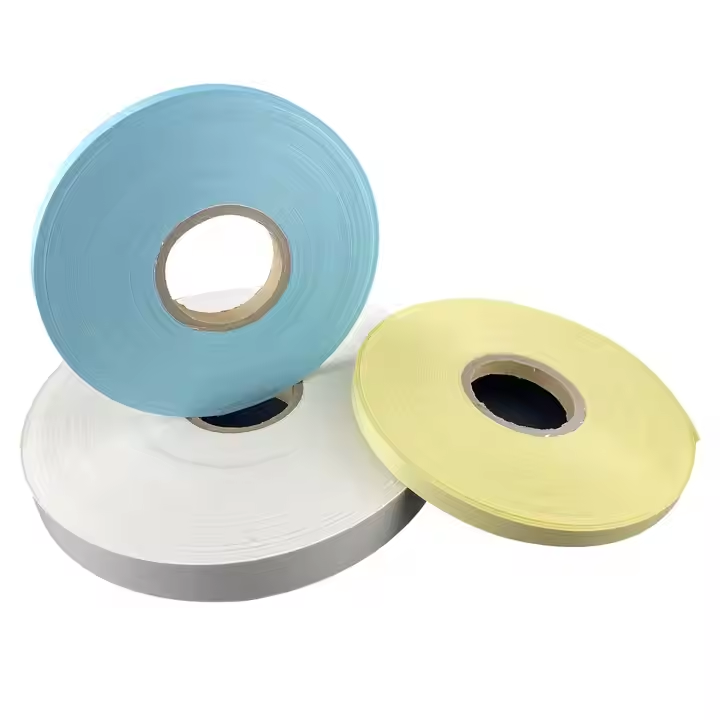
Liner paper consists of high-quality base paper treated with specialized coatings or silicone release agents to create a smooth, non-stick surface. The manufacturing process involves applying these release agents uniformly across the paper surface, ensuring consistent performance across different applications. This careful treatment process creates a barrier that prevents adhesive materials from bonding permanently to the paper surface, making it ideal for temporary applications where easy removal is essential.
The base paper used in liner paper production typically comes from sustainable forest sources, with many manufacturers now emphasizing recycled content and responsible sourcing practices. Advanced manufacturing techniques ensure that the silicone or release coating application maintains environmental standards while delivering superior performance characteristics. Quality control measures throughout the production process guarantee consistent thickness, smoothness, and release properties that meet industry specifications.
Key Performance Characteristics
Effective liner paper exhibits several critical performance characteristics that determine its suitability for specific applications. Release force consistency ensures predictable performance when separating adhesive materials from the liner surface. Temperature resistance allows the material to maintain its properties across various storage and application conditions, while moisture resistance prevents degradation in humid environments.
Surface smoothness plays a crucial role in achieving uniform adhesive application and preventing air bubbles or wrinkles during lamination processes. The paper's dimensional stability ensures that it maintains its shape and size throughout handling, storage, and application processes. These characteristics collectively contribute to the overall effectiveness of liner paper in packaging applications.
Environmental Benefits and Sustainability
Renewable Resource Foundation
Sustainable liner paper derives from renewable wood fiber sources, making it an environmentally responsible choice compared to synthetic alternatives. Forest certification programs ensure that the raw materials come from responsibly managed forests that maintain biodiversity and ecological balance. This renewable foundation significantly reduces the carbon footprint associated with packaging materials while supporting sustainable forestry practices.
Many manufacturers now incorporate post-consumer recycled content into their liner paper production, further enhancing the environmental benefits. This approach reduces waste sent to landfills while conserving virgin fiber resources. The integration of recycled materials maintains performance standards while demonstrating commitment to circular economy principles.
Biodegradability and Waste Reduction
Unlike synthetic release liners, paper-based alternatives offer superior biodegradability characteristics that support end-of-life disposal options. The natural fiber composition allows for decomposition in commercial composting facilities, reducing long-term environmental impact. This biodegradability advantage becomes increasingly important as regulatory pressure mounts for sustainable packaging solutions.
Waste reduction benefits extend beyond disposal considerations to include manufacturing efficiency improvements. Liner paper typically requires less energy to produce compared to plastic alternatives, while generating fewer harmful emissions during production. The lightweight nature of paper liners also reduces transportation costs and associated carbon emissions throughout the supply chain.
Industrial Applications and Use Cases
Food and Beverage Packaging
The food and beverage industry represents one of the largest application areas for liner paper, where it serves critical functions in maintaining product quality and safety. Release liners enable efficient packaging of sticky or adhesive food products while providing barrier properties that protect against moisture and contamination. The food-grade nature of properly manufactured liner paper ensures compliance with strict food safety regulations.
Bakery applications utilize liner paper for preventing dough adhesion during processing and packaging, while confectionery manufacturers rely on its release properties for candy production and wrapping. Frozen food packaging benefits from the temperature resistance characteristics of specialized liner paper formulations that maintain performance in cold storage conditions. These applications demonstrate the versatility and reliability of liner paper in demanding food industry environments.
Label and Tape Manufacturing
Label manufacturing represents another significant application area where liner paper provides essential support for pressure-sensitive adhesive products. The smooth surface finish ensures clean label removal while maintaining adhesive integrity until application. Consistent release characteristics across the entire surface prevent premature label separation during handling and storage.
Tape manufacturing applications require liner paper with specific thickness and strength characteristics to support various adhesive formulations. Industrial tapes often demand liner paper with enhanced durability to withstand rough handling during application processes. Specialty tapes for automotive or electronic applications may require liner paper with additional properties such as anti-static characteristics or enhanced temperature resistance.
Quality Standards and Specifications
Industry Testing and Certification
Quality assurance in liner paper production involves comprehensive testing protocols that evaluate multiple performance parameters. Release force testing measures the force required to separate adhesive materials from the liner surface, ensuring consistent performance across production batches. Surface roughness measurements verify the smoothness characteristics essential for uniform adhesive application.
Moisture content testing ensures that the paper maintains appropriate humidity levels for dimensional stability and performance consistency. Chemical resistance testing evaluates the liner paper's ability to withstand exposure to various substances without degradation. These testing protocols provide objective measures of quality that enable manufacturers to maintain consistent product specifications.
Environmental Compliance Standards
Environmental compliance standards for liner paper encompass various aspects of production and performance characteristics. Forest certification standards such as FSC or PEFC ensure responsible sourcing of raw materials from sustainably managed forests. Manufacturing process certifications verify that production methods minimize environmental impact through efficient resource utilization and waste reduction.
Chemical safety standards regulate the types and quantities of release agents used in liner paper production, ensuring that finished products meet environmental and health safety requirements. Compostability certifications provide third-party verification of biodegradability claims, supporting end-of-life disposal options. These standards collectively ensure that liner paper products meet both performance and environmental requirements.
Selection Criteria and Best Practices
Application-Specific Requirements
Selecting appropriate liner paper requires careful consideration of specific application requirements and operating conditions. Temperature exposure ranges determine the type of release coating needed to maintain performance characteristics throughout the intended use cycle. Adhesive compatibility ensures that the liner paper works effectively with specific adhesive formulations without causing performance issues.
Handling requirements influence thickness and strength specifications, with applications involving automated processing typically requiring enhanced durability characteristics. Storage conditions affect moisture resistance requirements, while transportation considerations may influence packaging and handling specifications. Understanding these application-specific requirements enables optimal liner paper selection for each unique use case.
Cost-Performance Optimization
Effective cost-performance optimization involves balancing initial material costs with long-term performance benefits and environmental considerations. Higher-quality liner paper may command premium pricing but deliver superior performance characteristics that reduce waste and improve operational efficiency. Total cost of ownership calculations should include factors such as processing efficiency, waste reduction, and environmental compliance benefits.
Volume purchasing considerations can significantly impact unit costs while ensuring consistent supply availability. Long-term supplier relationships often provide access to technical support and custom formulation options that enhance application performance. These strategic procurement approaches maximize value while supporting sustainability objectives through responsible supplier selection.
Future Trends and Innovations
Advanced Coating Technologies
Emerging coating technologies are expanding the capabilities and applications of liner paper while maintaining environmental sustainability objectives. Water-based release coatings reduce solvent emissions during production while delivering comparable performance to traditional formulations. Nano-coating technologies enable enhanced barrier properties with minimal material usage, improving both performance and sustainability characteristics.
Bio-based release agents derived from renewable sources represent another significant innovation area, reducing dependence on petroleum-based chemicals while maintaining performance standards. These advanced technologies demonstrate the industry's commitment to continuous improvement in both environmental impact and functional performance. Research and development efforts continue to push the boundaries of what's possible with sustainable liner paper solutions.
Market Growth and Applications
Market expansion opportunities for liner paper continue to emerge as industries seek sustainable alternatives to synthetic materials. E-commerce packaging applications present significant growth potential as online retail volumes continue increasing globally. Pharmaceutical packaging represents another expanding application area where liner paper's safety and performance characteristics meet strict regulatory requirements.
Automotive applications are exploring liner paper solutions for various assembly and manufacturing processes, driven by industry sustainability initiatives. Electronics manufacturing increasingly values the anti-static and clean-room compatible characteristics of specialized liner paper formulations. These expanding applications demonstrate the versatility and growth potential of sustainable liner paper solutions across diverse industries.
FAQ
What makes liner paper environmentally sustainable compared to plastic alternatives
Liner paper offers superior environmental sustainability through its renewable resource foundation, biodegradability characteristics, and reduced carbon footprint during production. Unlike plastic alternatives, paper-based liners decompose naturally in composting environments and require less energy to manufacture. The use of recycled content and responsible forest management practices further enhances the environmental benefits of liner paper solutions.
How do I determine the right release force specification for my application
Release force specifications depend on your specific application requirements, including adhesive type, processing conditions, and end-use requirements. Light release forces work well for temporary applications requiring easy removal, while medium to heavy release forces suit applications requiring secure adhesion during storage and handling. Consulting with liner paper manufacturers and conducting application testing helps determine optimal release force specifications for your specific needs.
Can liner paper maintain performance in high-temperature applications
Specialized liner paper formulations can maintain performance characteristics in elevated temperature conditions through the use of heat-resistant release coatings and base paper treatments. Temperature resistance specifications vary by product grade, with some formulations capable of withstanding temperatures exceeding 200°C for short periods. Application-specific testing ensures that selected liner paper maintains required performance characteristics under actual operating conditions.
What quality certifications should I look for when sourcing sustainable liner paper
Key certifications include forest management standards such as FSC or PEFC for responsible sourcing, ISO 9001 for quality management systems, and relevant food safety certifications for food contact applications. Environmental certifications like ISO 14001 demonstrate commitment to environmental management, while compostability certifications verify biodegradability claims. These certifications provide third-party verification of quality, safety, and environmental performance claims.
Table of Contents
- Understanding Liner Paper Fundamentals
- Environmental Benefits and Sustainability
- Industrial Applications and Use Cases
- Quality Standards and Specifications
- Selection Criteria and Best Practices
- Future Trends and Innovations
-
FAQ
- What makes liner paper environmentally sustainable compared to plastic alternatives
- How do I determine the right release force specification for my application
- Can liner paper maintain performance in high-temperature applications
- What quality certifications should I look for when sourcing sustainable liner paper