 EN
EN

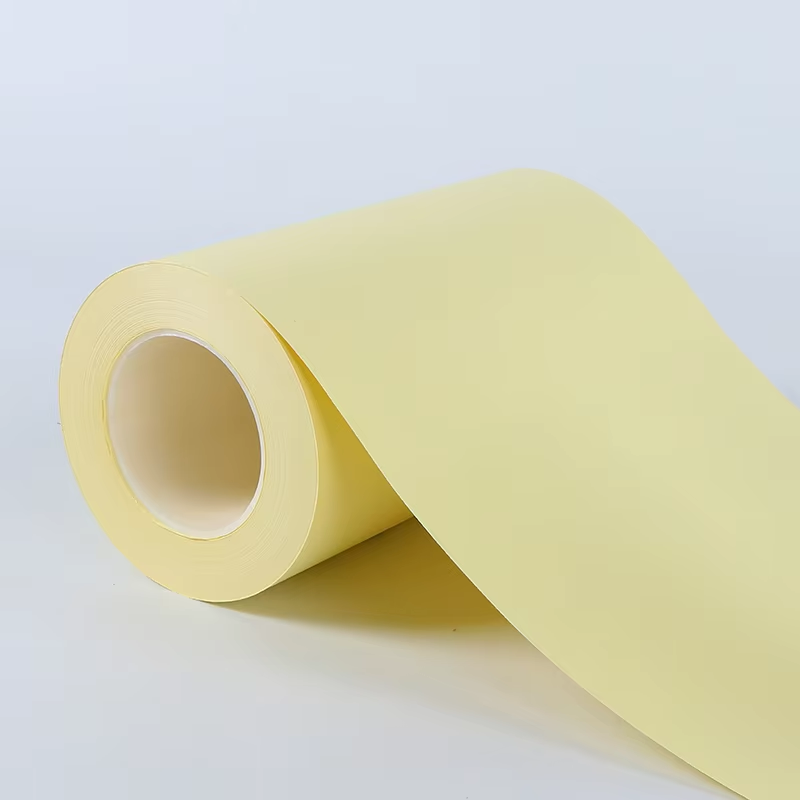
Industrial applications demand specialized materials that can withstand demanding environments while delivering consistent performance. Among the most critical components in modern manufacturing and packaging processes is liner paper, which serves as a protective backing for adhesive materials, labels, and various industrial products. This versatile material has become indispensable across multiple industries, from automotive and electronics to medical device manufacturing and construction applications.
Understanding the different types of liner paper available for industrial use is essential for selecting the right material for specific applications. Each type offers unique properties in terms of release characteristics, temperature resistance, chemical compatibility, and dimensional stability. The choice of liner paper can significantly impact production efficiency, product quality, and overall manufacturing costs.
This comprehensive guide explores the top ten liner paper types that have proven most effective in industrial settings. From traditional kraft-based options to advanced silicone-coated variants, each type brings distinct advantages to specific manufacturing processes and end-use applications.
Silicone-Coated Glassine Liner Paper
Superior Release Properties and Clarity
Silicone-coated glassine represents the gold standard in liner paper technology for high-performance applications. This material combines the exceptional smoothness of glassine base paper with precise silicone coating application, resulting in controlled release characteristics that remain consistent across varying temperatures and humidity levels. The transparent nature of glassine allows for easy inspection of adhesive patterns and backing materials during manufacturing processes.
Manufacturing processes that require precise adhesive application particularly benefit from silicone-coated glassine liner paper. The material's dimensional stability ensures accurate die-cutting and converting operations, while its smooth surface minimizes adhesive transfer and contamination issues. Industries such as electronics assembly, medical device manufacturing, and precision labeling applications rely heavily on this liner paper type for maintaining strict quality standards.
Temperature and Chemical Resistance
The silicone coating on glassine liner paper provides exceptional resistance to temperature fluctuations and chemical exposure. This makes it ideal for applications involving elevated processing temperatures or exposure to solvents and cleaning agents. The coating maintains its release properties across temperature ranges from -40°F to 400°F, ensuring consistent performance in both cold storage and high-temperature manufacturing environments.
Chemical resistance characteristics make silicone-coated glassine suitable for applications in the automotive industry, where exposure to oils, fuels, and cleaning solvents is common. The liner paper maintains its integrity and release properties even after extended contact with these substances, preventing contamination of adhesive materials and ensuring reliable product performance throughout the manufacturing process.
Kraft Paper Liners with Specialty Coatings
Cost-Effective Solutions for High-Volume Applications
Kraft-based liner paper offers an economical alternative to specialty materials while maintaining adequate performance for many industrial applications. The natural strength of kraft fibers provides excellent tear resistance and dimensional stability, making it suitable for high-speed converting operations and automated manufacturing processes. Various coating options, including clay, polyethylene, and specialized release agents, can be applied to kraft base papers to enhance specific performance characteristics.
High-volume packaging applications particularly benefit from kraft liner paper due to its cost-effectiveness and reliable performance. The material's ability to accept high-quality printing makes it valuable for applications requiring brand identification or regulatory labeling. Industries such as food packaging, general industrial tapes, and construction materials frequently specify kraft liner paper for applications where premium performance characteristics are not essential.
Sustainable and Recyclable Options
Environmental considerations have made kraft liner paper increasingly attractive for companies seeking sustainable packaging solutions. The renewable nature of wood fiber sources, combined with the recyclability of kraft paper, aligns with corporate sustainability goals and regulatory requirements. Many kraft liner papers now incorporate recycled content without compromising performance characteristics.
Biodegradable coating options for kraft liner paper have expanded its appeal in environmentally sensitive applications. Water-based release coatings and bio-derived polymers provide adequate performance for many applications while reducing environmental impact. This makes kraft liner paper an excellent choice for temporary applications or products designed for easy disposal and recycling.
Polyethylene-Coated Papers
Moisture Barrier Properties
Polyethylene-coated liner paper excels in applications requiring moisture barrier properties and enhanced durability. The polyethylene coating creates an impermeable barrier that protects adhesive materials from humidity and water exposure, making it ideal for outdoor applications or high-moisture environments. This liner paper type maintains its release properties even under challenging environmental conditions.
Applications in marine environments, outdoor construction, and weather-resistant labeling benefit significantly from polyethylene-coated liner paper. The coating provides protection against UV radiation, saltwater exposure, and temperature cycling that would degrade other liner paper types. The enhanced durability extends product shelf life and ensures consistent performance throughout the supply chain.
Enhanced Printing Capabilities
The smooth surface of polyethylene-coated liner paper provides excellent printability for high-quality graphics and text. Digital printing technologies work particularly well with this substrate, enabling variable data printing and customization options for industrial applications. The coating accepts various ink types while maintaining print quality and adhesion characteristics.
Industrial labeling applications requiring detailed graphics, barcodes, or regulatory information benefit from the superior print quality achievable on polyethylene-coated liner paper. The coating prevents ink penetration into the base paper, resulting in sharp text and vivid colors that remain legible throughout the product's service life.
Clay-Coated Liner Papers
Smooth Surface Finish for Precision Applications
Clay-coated liner paper provides an exceptionally smooth surface finish that enables precise adhesive application and clean release characteristics. The clay coating fills surface irregularities in the base paper, creating a uniform substrate that minimizes adhesive transfer and ensures consistent release forces. This makes it particularly valuable for applications requiring precise adhesive patterns or thin adhesive films.
Electronic component assembly and medical device manufacturing frequently specify clay-coated liner paper for applications involving pressure-sensitive adhesives. The smooth surface enables accurate placement of small components and ensures reliable adhesive performance in critical applications. The coating also provides excellent dimensional stability during processing and storage.
Superior Die-Cutting Performance
The enhanced surface properties of clay-coated liner paper contribute to superior die-cutting performance and edge quality. Clean cuts with minimal paper dust generation are essential for maintaining adhesive performance and preventing contamination in sensitive manufacturing environments. The clay coating reduces tool wear and extends die life in high-volume converting operations.
Precision label manufacturing and industrial tape converting operations benefit from the improved die-cutting characteristics of clay-coated liner paper. The material's ability to maintain sharp edges and clean release properties throughout the converting process ensures consistent product quality and reduces waste generation.
Densified Kraft Liners
Enhanced Strength and Durability
Densified kraft liner paper undergoes specialized calendering processes that increase fiber density and surface smoothness while maintaining the inherent strength characteristics of kraft fibers. This process results in improved tear resistance, enhanced dimensional stability, and better surface uniformity compared to standard kraft papers. The densification process also improves the paper's ability to accept various coating formulations.
Heavy-duty industrial applications requiring exceptional strength and durability often specify densified kraft liner paper. Construction tapes, automotive applications, and industrial assembly processes benefit from the enhanced performance characteristics while maintaining cost-effectiveness. The material's ability to withstand mechanical stress during application and service makes it ideal for demanding environments.
Improved Converting Characteristics
The densification process significantly improves the converting characteristics of kraft liner paper, enabling higher processing speeds and better edge quality during slitting and die-cutting operations. Reduced dust generation and improved dimensional stability contribute to more efficient manufacturing processes and reduced downtime for equipment cleaning and maintenance.
High-speed converting operations particularly benefit from the improved handling characteristics of densified kraft liner paper. The material's enhanced strength prevents web breaks and reduces waste generation during processing, resulting in improved overall equipment effectiveness and lower manufacturing costs.
Specialty Release Coated Papers
Customized Release Properties
Specialty release-coated liner papers offer customized release characteristics tailored to specific adhesive systems and application requirements. These materials utilize advanced coating formulations that can provide differential release properties, controlled adhesive transfer, or time-dependent release characteristics. The ability to customize release properties enables optimization of manufacturing processes and end-product performance.
Applications requiring precise control over adhesive transfer or release timing benefit significantly from specialty release-coated papers. Electronics manufacturing, medical device assembly, and aerospace applications often require these specialized materials to achieve optimal performance and reliability. The customization options available allow manufacturers to optimize their processes for maximum efficiency and quality.
Advanced Coating Technologies
Modern coating technologies enable the application of multiple functional layers on liner paper substrates, creating materials with enhanced performance characteristics. These may include anti-static properties, enhanced chemical resistance, or improved temperature stability. Advanced coating formulations can also provide self-indicating properties that change color to indicate proper adhesive cure or environmental exposure.
Research and development applications frequently utilize advanced coated liner papers to evaluate new adhesive formulations and processing techniques. The ability to precisely control surface properties and release characteristics enables more accurate testing and faster development of new products and applications.
Fluoropolymer-Coated Liners
Exceptional Chemical Resistance
Fluoropolymer-coated liner paper provides unmatched chemical resistance and non-stick properties for the most demanding industrial applications. These coatings remain stable when exposed to aggressive solvents, acids, bases, and high-temperature processing conditions that would damage other liner paper types. The fluoropolymer coating creates an inert surface that prevents chemical interaction with adhesive materials.
Chemical processing industries, semiconductor manufacturing, and specialized aerospace applications rely on fluoropolymer-coated liner paper for applications involving exposure to harsh chemicals or extreme processing conditions. The coating maintains its release properties and surface integrity even under conditions that would cause other materials to fail or contaminate the adhesive system.
High-Temperature Performance
The exceptional temperature stability of fluoropolymer coatings enables use in high-temperature processing applications where other liner papers would degrade or lose their release properties. These materials can withstand continuous exposure to temperatures exceeding 500°F while maintaining consistent release characteristics and surface integrity.
High-temperature composite manufacturing, metal bonding applications, and specialized industrial processes benefit from the thermal stability of fluoropolymer-coated liner paper. The material's ability to maintain performance under extreme conditions ensures reliable processing and consistent product quality in demanding manufacturing environments.
Antistatic Liner Papers
Static Control for Sensitive Applications
Antistatic liner paper incorporates conductive additives or surface treatments that prevent static charge buildup during handling and processing operations. This is particularly important for applications involving electronic components, explosive materials, or dust-sensitive environments where static discharge could cause damage or safety hazards. The antistatic properties are maintained throughout the material's service life.
Electronics assembly and semiconductor manufacturing processes require antistatic liner paper to prevent damage to sensitive components during handling and assembly operations. The controlled conductivity prevents static charge accumulation while maintaining the necessary release properties and surface characteristics required for precision applications.
Cleanroom Compatibility
Antistatic liner papers designed for cleanroom applications undergo specialized manufacturing processes that minimize particle generation and contamination potential. These materials meet strict cleanliness standards while providing the antistatic properties necessary for handling sensitive electronic components and materials in controlled environments.
Medical device manufacturing and pharmaceutical applications often specify cleanroom-compatible antistatic liner papers to maintain sterile processing conditions while preventing static-related damage to sensitive products. The combination of cleanliness and antistatic properties makes these materials essential for critical manufacturing applications.
Metallized Liner Papers
Barrier Properties and Conductivity
Metallized liner paper combines the base properties of paper substrates with the barrier and conductive properties of thin metal coatings. Aluminum is the most common metallization material, providing excellent moisture and gas barrier properties along with electrical conductivity and heat reflection characteristics. The metal coating is typically applied through vacuum deposition processes that create uniform, adherent layers.
Applications requiring electromagnetic interference shielding, thermal management, or enhanced barrier properties benefit from metallized liner papers. Electronic component packaging, thermal management applications, and specialized adhesive systems utilize these materials to achieve performance characteristics not possible with conventional liner papers.
Enhanced Functionality
The metallic coating on liner papers can provide additional functionality beyond traditional release properties, including heat dissipation, electromagnetic shielding, and enhanced barrier characteristics. These multi-functional properties enable the design of more efficient manufacturing processes and improved end-product performance in specialized applications.
Automotive electronics and aerospace applications frequently specify metallized liner papers for applications requiring multiple performance characteristics in a single material. The ability to combine release properties with barrier characteristics and electrical conductivity reduces the complexity and cost of multi-layer constructions.
Bio-Based and Sustainable Liners
Renewable Resource Materials
Bio-based liner papers utilize renewable resources and sustainable manufacturing processes to reduce environmental impact while maintaining adequate performance for many industrial applications. These materials may incorporate agricultural waste fibers, recycled content, or bio-derived coating materials that reduce dependence on petroleum-based raw materials.
Companies with strong sustainability commitments increasingly specify bio-based liner papers for applications where environmental impact is a primary concern. The performance characteristics of these materials continue to improve as coating technologies and fiber processing techniques advance, making them viable alternatives for an expanding range of applications.
End-of-Life Considerations
Sustainable liner papers are designed with end-of-life disposal in mind, incorporating materials and coatings that facilitate recycling or biodegradation. Water-soluble release coatings and compostable substrates enable easier separation and disposal of adhesive products, reducing environmental impact and supporting circular economy principles.
Packaging applications and temporary adhesive products particularly benefit from sustainable liner papers that can be easily recycled or composted after use. The growing regulatory focus on packaging waste reduction makes these materials increasingly important for manufacturers seeking to meet environmental compliance requirements.
FAQ
What factors should be considered when selecting liner paper for industrial applications
When selecting liner paper for industrial applications, consider the adhesive system compatibility, processing temperature requirements, environmental exposure conditions, and required release characteristics. Additional factors include dimensional stability requirements, printing needs, chemical resistance, and cost considerations. The specific manufacturing process and end-use environment will determine which liner paper properties are most critical for successful application performance.
How does silicone coating thickness affect liner paper performance
Silicone coating thickness directly impacts release force, temperature stability, and chemical resistance of liner paper. Thicker coatings generally provide lower release forces and better environmental resistance but may increase cost and affect dimensional stability. The optimal coating thickness depends on the specific adhesive system and application requirements, with typical industrial applications using coating weights between 5-20 grams per square meter.
Can liner papers be recycled after adhesive product manufacturing
Most liner papers can be recycled after removal from adhesive products, though the presence of silicone or other release coatings may affect recyclability. Clean liner papers without adhesive contamination are generally accepted in paper recycling streams. However, papers with heavy coating loads or specialty treatments may require specialized recycling processes. Many manufacturers now offer liner papers specifically designed for improved recyclability.
What is the typical shelf life of industrial liner papers
The shelf life of industrial liner papers varies by coating type and storage conditions but typically ranges from 12-24 months when stored in controlled temperature and humidity environments. Silicone-coated papers generally have longer shelf lives than other coating types, while kraft-based liners may be more sensitive to moisture and temperature fluctuations. Proper storage in original packaging away from direct sunlight and extreme temperatures helps maintain optimal performance characteristics throughout the shelf life period.