 EN
EN

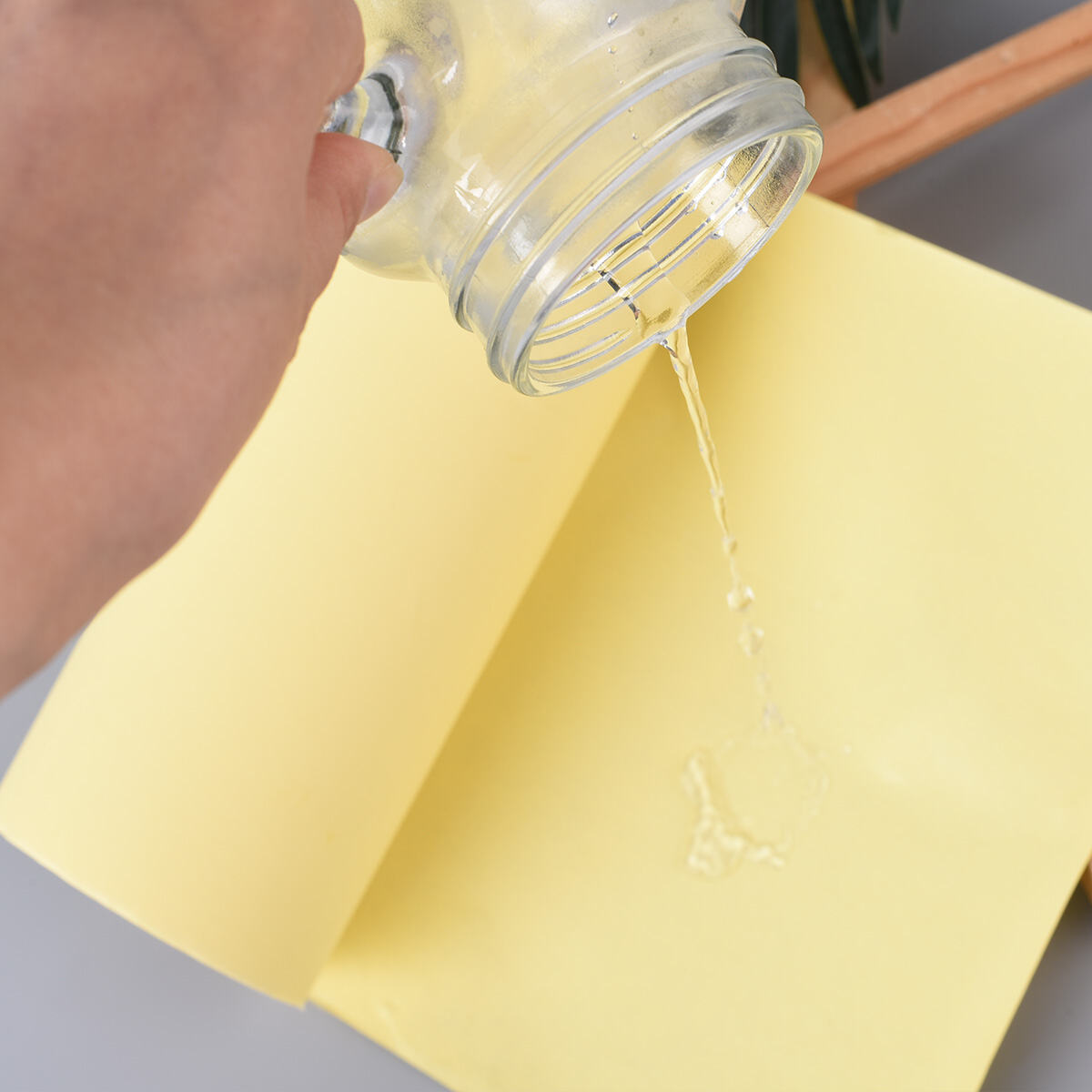
The manufacturing landscape of silicone release paper continues to evolve in 2025, driven by increasing demand across adhesive applications, medical device production, and industrial packaging sectors. This specialized paper substrate, coated with silicone polymers, serves as a critical component in countless manufacturing processes where controlled release properties are essential. Understanding the intricacies of silicone release paper production enables manufacturers to optimize their operations while meeting stringent quality standards demanded by modern industries.
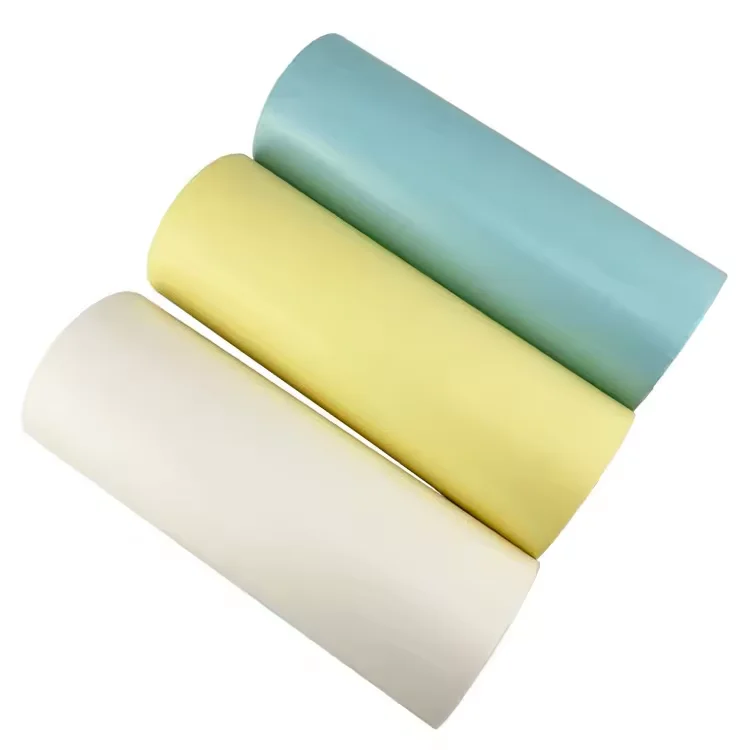
Modern production facilities must balance efficiency with precision, as even minor variations in coating thickness or curing temperatures can significantly impact the final product's performance characteristics. The substrate selection process forms the foundation of successful manufacturing, with base paper weight, porosity, and surface smoothness all contributing to the final release liner's effectiveness. Manufacturing teams increasingly rely on advanced monitoring systems to maintain consistent quality throughout production runs, ensuring each batch meets the exacting specifications required by downstream applications.
Raw Material Selection and Preparation
Base Paper Characteristics
The foundation of any high-quality silicone release paper begins with careful base paper selection, where manufacturers must evaluate multiple characteristics to ensure optimal coating adhesion and final product performance. Paper weight typically ranges from 60 to 120 GSM, with heavier weights providing enhanced dimensional stability during processing and end-use applications. Surface smoothness measured in Bendtsen units directly correlates with coating uniformity, as rougher surfaces can create inconsistencies in silicone distribution that compromise release properties.
Base paper porosity requires precise control to prevent silicone penetration while maintaining adequate surface energy for proper coating adhesion. Manufacturers often specify formation index values to ensure consistent fiber distribution, as variations can create weak points that lead to delamination during high-speed converting operations. The moisture content of incoming base paper rolls must be carefully monitored and conditioned, typically maintained between 6-8% to prevent coating defects and ensure proper web tension throughout the manufacturing process.
Silicone Chemistry and Formulation
Silicone release coating formulations have evolved significantly, with modern systems offering improved thermal stability and enhanced release characteristics across broader temperature ranges. Platinum-catalyzed addition cure systems dominate current manufacturing processes, providing excellent control over crosslinking density and final release values. The selection between condensation and addition cure chemistries depends on specific application requirements, with addition cure systems offering superior heat resistance and lower volatile emissions during processing.
Formulation adjustments involving catalyst concentration, crosslinker ratios, and additive packages enable manufacturers to fine-tune release characteristics for specific customer applications. Silicone solids content typically ranges from 15-25% in solvent-based systems, while emulsion-based formulations can accommodate higher solids loadings with reduced environmental impact. Advanced formulations incorporate functional additives such as anti-static agents, UV stabilizers, and controlled release modifiers to enhance performance in specialized applications.
Manufacturing Process Optimization
Coating Application Techniques
Precision coating application represents the critical control point in silicone release paper manufacturing, where coating weight accuracy and uniformity directly determine final product quality. Modern facilities employ multiple coating methods including gravure, reverse roll, and blade coating systems, each offering distinct advantages for specific product configurations. Gravure coating provides exceptional uniformity for high-volume production runs, while blade coating systems offer superior flexibility for frequent grade changes and specialty products.
Coating weight control systems utilize continuous monitoring technologies such as nuclear gauging and infrared scanning to maintain target coat weights within tight tolerances, typically ±5% across web width. Web speed coordination between unwind, coating, and rewind sections requires precise tension control to prevent substrate deformation and coating defects. Coating station temperature management ensures optimal viscosity characteristics while preventing premature curing that could compromise coating uniformity or cause web breaks during processing.
Curing and Thermal Processing
The curing process transforms liquid silicone coatings into crosslinked polymer networks that provide the desired release characteristics, requiring careful control of temperature profiles and residence times throughout heated sections. Infrared heating systems offer rapid surface heating ideal for solvent flash-off, while hot air impingement provides uniform heating for complete cure development. Temperature profiling across multiple heating zones enables manufacturers to optimize energy efficiency while ensuring complete crosslinking without substrate degradation.
Residence time calculations must account for web speed variations and coating thickness to ensure adequate cure development across all production conditions. Advanced curing ovens incorporate heat recovery systems and variable zone control to minimize energy consumption while maintaining consistent thermal conditions. Cure monitoring techniques including FTIR spectroscopy and peel adhesion testing provide real-time feedback on crosslinking progress, enabling immediate process adjustments to maintain product quality standards.
Quality Control and Testing Protocols
Release Value Measurement
Release value testing forms the cornerstone of quality assurance programs, utilizing standardized test methods to quantify the force required to separate adhesive materials from the silicone surface. FINAT test methods provide industry-standard protocols for measuring release values across different adhesive systems and testing conditions. Test specimen preparation requires careful attention to conditioning time, temperature, and humidity to ensure reproducible results that accurately reflect end-use performance.
Statistical process control systems track release value trends across production runs, enabling early detection of process variations that could impact product performance. Testing frequency typically ranges from hourly sampling during stable production to continuous monitoring during startup or grade changes. Multiple test angles and peel rates provide comprehensive characterization of release behavior, particularly important for applications involving variable removal speeds or directional forces.
Surface Analysis and Characterization
Advanced surface analysis techniques provide detailed insights into coating uniformity, surface energy, and potential contamination issues that could affect release performance. Contact angle measurements quantify surface hydrophobicity and help identify batch-to-batch variations in silicone chemistry or crosslinking density. Atomic force microscopy reveals surface topography at nanoscale resolution, enabling detection of coating defects or contamination not visible through conventional optical inspection methods.
Surface roughness measurements using profilometry techniques correlate with release performance and help optimize coating conditions for specific applications. X-ray photoelectron spectroscopy provides elemental composition analysis to verify complete cure development and detect potential contamination from processing aids or environmental sources. These analytical techniques support continuous improvement initiatives while providing technical support for customer applications requiring specialized release characteristics.
Environmental and Sustainability Considerations
Emission Control and Waste Reduction
Modern silicone release paper manufacturing facilities implement comprehensive emission control systems to minimize environmental impact while maintaining efficient production operations. Thermal oxidation systems effectively destroy volatile organic compounds generated during solvent-based coating processes, achieving destruction efficiencies exceeding 99% while recovering valuable thermal energy. Advanced scrubbing systems handle aqueous emissions from cleaning operations and coating kitchen washdowns, preventing silicone contamination of wastewater streams.
Waste reduction strategies focus on optimizing coating utilization rates and minimizing trim waste through improved web handling and winding techniques. Closed-loop solvent recovery systems capture and purify solvents for reuse, significantly reducing fresh solvent consumption and disposal costs. Edge trim recycling programs convert waste materials into lower-grade products or alternative applications, minimizing landfill disposal while generating additional revenue streams.
Sustainable Raw Material Sourcing
Sustainability initiatives increasingly influence raw material selection decisions, with manufacturers seeking certified sustainable fiber sources and bio-based silicone alternatives. Forest Stewardship Council certification ensures responsible sourcing of base paper materials while supporting sustainable forestry practices. Emerging bio-based silicone technologies offer potential alternatives to traditional petroleum-derived silicones, though technical performance and cost considerations currently limit widespread adoption.
Life cycle assessment methodologies help manufacturers evaluate the environmental impact of different material choices and processing options. Supplier sustainability audits ensure compliance with environmental standards throughout the supply chain while identifying opportunities for collaborative improvement initiatives. Energy efficiency improvements through equipment upgrades and process optimization reduce carbon footprint while lowering operating costs, creating both environmental and economic benefits.
FAQ
What factors determine the optimal coating weight for silicone release paper applications
Optimal coating weight depends on the specific adhesive system, intended application temperature range, and required release characteristics. Light coating weights between 0.5-1.0 gsm provide adequate release for low-tack adhesives, while heavy-duty applications may require 2.0-3.0 gsm to ensure consistent performance. The adhesive chemistry, particularly silicone-sensitive adhesives, influences coating weight requirements, with some systems requiring higher silicone loadings to achieve acceptable release values.
How do different curing conditions affect release paper performance
Curing temperature and time directly impact crosslinking density, which controls release characteristics and thermal stability. Under-cured coatings may exhibit variable release values and poor adhesive compatibility, while over-curing can create brittle surfaces prone to cracking or delamination. Optimal curing conditions typically range from 150-180°C with residence times of 30-60 seconds, though specific requirements vary based on silicone chemistry and coating thickness.
What quality issues commonly occur during silicone release paper manufacturing
Common quality issues include coating streaks caused by contaminated anilox rolls or blade wear, release value variations due to insufficient mixing or temperature fluctuations, and adhesion failures resulting from inadequate surface preparation or contamination. Web breaks during processing often stem from excessive tension, poor splicing techniques, or substrate defects. Implementing comprehensive quality control protocols and preventive maintenance programs minimizes these issues while ensuring consistent product quality.
How can manufacturers optimize energy efficiency in release paper production
Energy optimization strategies include implementing variable frequency drives on major equipment, installing heat recovery systems in curing ovens, and optimizing air circulation patterns to reduce heating requirements. LED lighting upgrades, improved insulation, and smart control systems reduce facility energy consumption while maintaining optimal production conditions. Regular energy audits identify additional improvement opportunities and track progress toward sustainability goals while reducing operating costs.
Table of Contents
- Raw Material Selection and Preparation
- Manufacturing Process Optimization
- Quality Control and Testing Protocols
- Environmental and Sustainability Considerations
-
FAQ
- What factors determine the optimal coating weight for silicone release paper applications
- How do different curing conditions affect release paper performance
- What quality issues commonly occur during silicone release paper manufacturing
- How can manufacturers optimize energy efficiency in release paper production