 EN
EN

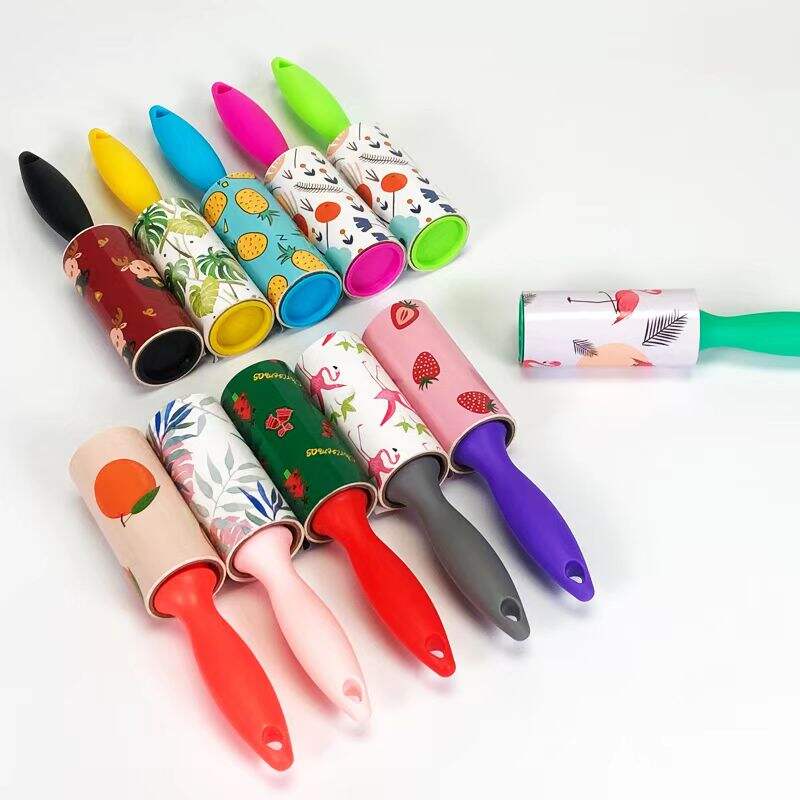
In the modern manufacturing landscape, specialized materials play crucial roles in ensuring efficient production processes and high-quality end products. Among these materials, silicone release paper stands out as an indispensable component across numerous industries, from food packaging to electronics manufacturing. This advanced material combines the protective qualities of paper substrates with the non-stick properties of silicone coatings, creating a versatile solution for applications requiring clean separation and contamination-free surfaces.
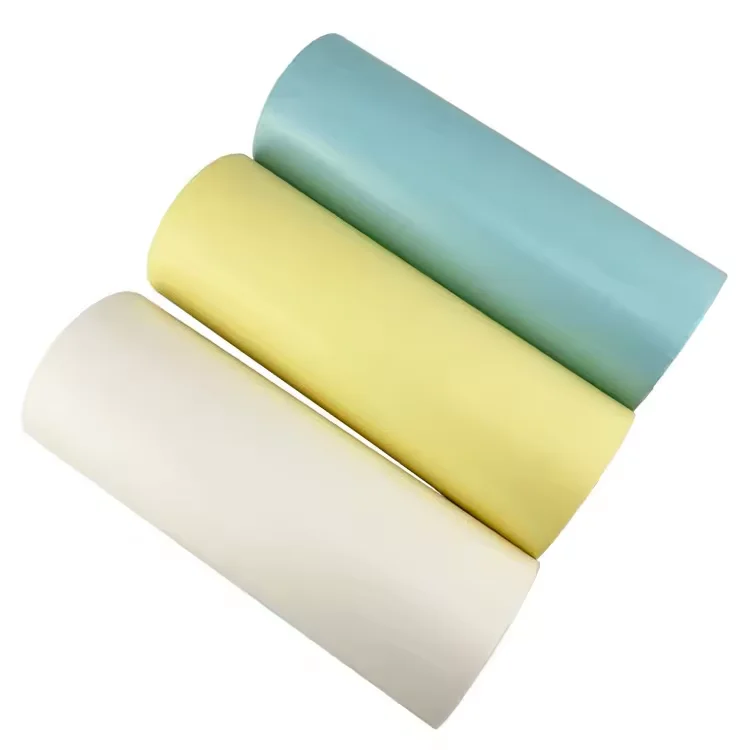
The growing demand for precision manufacturing and quality assurance has elevated the importance of release papers in industrial operations. These materials serve as protective barriers during production, storage, and transportation phases, ensuring that adhesive materials, coatings, and sensitive components maintain their integrity until final use. The unique properties of silicone release paper make it particularly valuable in applications where traditional release materials fall short of performance requirements.
Understanding the comprehensive benefits and applications of silicone release paper enables manufacturers to optimize their production processes while maintaining cost-effectiveness. From chemical resistance to temperature stability, these materials offer solutions to complex industrial challenges that require both reliability and performance consistency.
Fundamental Properties of Silicone Release Paper
Chemical Composition and Structure
The foundation of silicone release paper lies in its sophisticated chemical composition, which combines cellulose-based substrates with precision-applied silicone coatings. The base paper typically consists of high-quality kraft or glassine paper that provides dimensional stability and mechanical strength. The silicone coating, usually consisting of polydimethylsiloxane compounds, creates the critical non-adhesive surface that defines the material's release properties.
Manufacturing processes for silicone release paper involve careful control of coating thickness and curing parameters to achieve consistent release values. The silicone layer typically ranges from 0.5 to 3.0 grams per square meter, depending on the specific application requirements. This precision coating ensures uniform release characteristics across the entire surface area while maintaining the paper's flexibility and handling properties.
Advanced formulations may incorporate additional additives such as catalysts, crosslinking agents, and stabilizers to enhance specific performance characteristics. These modifications allow manufacturers to tailor the release paper properties for specialized applications, including high-temperature processes or chemically aggressive environments.
Physical and Mechanical Characteristics
The physical properties of silicone release paper encompass several critical parameters that determine its suitability for various applications. Tensile strength typically ranges from 80 to 150 N·m/g in the machine direction, providing sufficient mechanical integrity for handling and processing operations. The cross-direction strength, while generally lower, maintains adequate performance for most industrial applications.
Dimensional stability represents another crucial characteristic, with quality silicone release papers exhibiting minimal dimensional change under varying humidity and temperature conditions. This stability ensures consistent performance in precision applications where tight tolerances are essential. The material's smoothness, measured in Bendtsen units, directly impacts the quality of transferred surfaces and the effectiveness of release properties.
Moisture resistance capabilities vary depending on the base paper type and coating formulation. Glassine-based release papers typically offer superior moisture barrier properties compared to kraft-based alternatives, making them suitable for applications in humid environments or where moisture sensitivity is a concern.
Industrial Applications and Use Cases
Electronics and Semiconductor Manufacturing
In the electronics industry, silicone release paper serves critical functions in the production and handling of sensitive components. During the manufacturing of flexible circuits, the material provides temporary support for delicate copper traces and protective films. The clean release properties ensure that no residue remains on the electronic components, which could compromise their electrical performance or reliability.
Semiconductor packaging operations rely heavily on silicone release paper for die attachment processes and encapsulation procedures. The material's ability to withstand elevated temperatures during curing processes while maintaining release properties makes it invaluable for these applications. Additionally, the anti-static properties of specialized formulations help protect sensitive electronic components from electrostatic discharge damage.
Label and tape manufacturing for electronic applications requires release papers with exceptional smoothness and consistent release values. These materials ensure that adhesive labels can be precisely positioned and removed without damaging delicate surface finishes or leaving adhesive residues that could interfere with electronic functionality.
Food and Pharmaceutical Industries
Food-grade silicone release paper plays an essential role in packaging and processing operations where direct or indirect food contact may occur. These specialized materials meet stringent regulatory requirements for food safety while providing reliable release properties for various packaging applications. The non-toxic nature of food-grade silicone coatings ensures that no harmful substances migrate into food products during storage or processing.
Pharmaceutical manufacturing utilizes silicone release paper in transdermal patch production, where precise control of drug delivery systems requires consistent release properties. The material serves as a protective liner that maintains the integrity of adhesive matrices while allowing for easy removal during application. The chemical inertness of silicone coatings prevents interactions with pharmaceutical compounds that could affect drug stability or efficacy.
Baking and confectionery industries benefit from the high-temperature resistance and non-stick properties of silicone release paper. These materials enable efficient production of baked goods while eliminating the need for additional release agents that could affect product quality or introduce unwanted flavors.
Performance Benefits and Advantages
Temperature Resistance and Thermal Stability
The exceptional temperature resistance of silicone release paper represents one of its most significant advantages over alternative release materials. Standard formulations typically maintain their release properties at temperatures ranging from -40°C to 200°C, while specialized high-temperature grades can withstand exposure to temperatures exceeding 250°C for extended periods. This thermal stability enables use in demanding applications such as composite manufacturing, hot-melt adhesive processing, and high-temperature lamination operations.
The silicone coating's crosslinked structure provides dimensional stability under thermal cycling conditions, preventing warping or distortion that could compromise process efficiency. This characteristic proves particularly valuable in automated manufacturing systems where precise material positioning is critical for consistent product quality. The material's ability to maintain flexibility at low temperatures also extends its utility to cold-weather applications and cryogenic processing environments.
Heat aging resistance ensures that silicone release paper maintains its performance characteristics during extended exposure to elevated temperatures. This longevity reduces material waste and improves process economics in continuous manufacturing operations where materials may remain in heated environments for extended periods.
Chemical Compatibility and Resistance
Silicone release paper exhibits exceptional resistance to a wide range of chemicals commonly encountered in industrial applications. The inert nature of silicone coatings provides protection against acids, bases, solvents, and various organic compounds that might degrade other release materials. This chemical resistance expands the material's applicability to processes involving aggressive chemicals or cleaning agents.
The non-polar surface characteristics of silicone coatings minimize interactions with polar solvents and water-based systems, maintaining consistent release properties even in humid environments. This resistance to moisture absorption prevents dimensional changes that could affect process tolerances and product quality in precision manufacturing applications.
Compatibility with various adhesive systems, including acrylics, rubber-based formulations, and silicones, makes the material versatile for multiple applications within a single facility. The consistent release values across different adhesive types simplify inventory management and reduce the need for specialized materials for specific applications.
Selection Criteria and Specifications
Release Value Considerations
Proper selection of silicone release paper requires careful consideration of release value requirements for specific applications. Release values, typically measured in centi-Newtons per inch (cN/in), determine the force required to separate the adhesive material from the release surface. Light release papers (50-200 cN/in) suit applications requiring easy removal with minimal force, while heavy release grades (800-2000 cN/in) provide secure adhesion during processing while still allowing controlled removal.
The relationship between release value and adhesive characteristics must be carefully matched to achieve optimal performance. Aggressive adhesives may require higher release values to prevent premature adhesion, while sensitive materials may need lighter release surfaces to avoid damage during removal. Temperature effects on release values should also be considered, as most adhesive systems exhibit increased tack at elevated temperatures.
Consistency of release values across the material width and length ensures uniform processing conditions and consistent product quality. High-quality silicone release papers maintain release value variations within ±20% of the target specification, providing predictable performance in automated manufacturing systems.
Base Paper Selection and Properties
The choice of base paper significantly impacts the overall performance characteristics of silicone release paper. Glassine papers offer superior smoothness and moisture resistance, making them ideal for applications requiring high-quality surface finishes or exposure to humid conditions. These papers typically exhibit lower porosity, which helps prevent silicone penetration and maintains consistent coating thickness.
Kraft-based release papers provide enhanced tear resistance and dimensional stability, making them suitable for applications involving mechanical stress or repeated handling. The higher fiber content of kraft papers contributes to improved tensile strength and puncture resistance, which proves valuable in demanding industrial environments.
Specialized clay-coated papers offer enhanced smoothness and printability for applications requiring high-quality graphics or precise registration marks. These substrates combine the benefits of improved surface characteristics with the ability to accept printing inks and coatings for identification or branding purposes.
Manufacturing and Quality Control
Production Process Optimization
The manufacturing of high-quality silicone release paper involves precise control of multiple process variables to ensure consistent product performance. Coating application methods, including gravure, meyer rod, and curtain coating, each offer specific advantages depending on the target coating weight and uniformity requirements. Gravure coating provides excellent thickness control for light coat weights, while curtain coating enables higher production speeds with maintained quality.
Curing parameters, including temperature profiles, dwell times, and atmospheric conditions, critically influence the final release properties and durability of the silicone coating. Proper crosslinking ensures optimal release characteristics while preventing coating transfer or premature failure. Advanced curing systems utilize infrared heating, hot air impingement, and through-air drying to achieve uniform cure profiles across the web width.
Web tension control throughout the manufacturing process prevents dimensional distortion and ensures uniform coating application. Modern production lines incorporate sophisticated tension control systems that maintain optimal web stress levels from unwinding through rewinding operations, resulting in improved product quality and reduced waste.
Quality Assurance and Testing Protocols
Comprehensive quality control programs for silicone release paper production include multiple testing protocols to verify performance characteristics and consistency. Release value testing, performed using standardized peel test methods, ensures that products meet specified requirements across the entire production run. These tests typically involve controlled peel rates and standardized adhesive tapes to provide reproducible results.
Coating weight verification through gravimetric analysis or fluorescent methods confirms proper silicone application levels and identifies potential coating defects. Uniformity measurements across the web width help detect coating application issues and enable real-time process adjustments to maintain product quality.
Accelerated aging tests evaluate the long-term stability of release properties under various environmental conditions. These tests simulate extended storage periods and exposure to temperature, humidity, and chemical environments to predict product performance throughout its intended service life.
Environmental Considerations and Sustainability
Recycling and Waste Management
Environmental responsibility in silicone release paper applications requires consideration of end-of-life disposal and recycling options. While the silicone coating presents challenges for traditional paper recycling processes, specialized facilities can separate and recover the paper fibers for reuse. Some manufacturers have developed release papers with recyclable coatings that maintain performance while improving environmental compatibility.
Waste reduction strategies focus on optimizing material usage through precise specification matching and improved process efficiency. Converting operations can minimize trim waste through careful planning and efficient nesting of cutting patterns. Reclaim programs for unused materials help divert waste from landfills while providing cost savings for manufacturers.
Alternative disposal methods, including energy recovery through controlled incineration, provide environmentally responsible options for materials that cannot be recycled through conventional means. The high energy content of paper-based materials makes them suitable for waste-to-energy applications when properly managed.
Sustainable Manufacturing Practices
Sustainable production of silicone release paper involves implementing environmentally conscious manufacturing practices throughout the supply chain. Solvent-free coating technologies reduce volatile organic compound emissions while maintaining product quality and performance characteristics. Water-based silicone systems offer additional environmental benefits while providing adequate performance for many applications.
Energy efficiency improvements in manufacturing processes include heat recovery systems, optimized curing profiles, and advanced process control systems that minimize energy consumption while maintaining quality standards. These improvements reduce the environmental impact of production while improving economic sustainability for manufacturers.
Raw material sourcing from responsibly managed forests and certified suppliers ensures that base paper production follows sustainable forestry practices. Chain-of-custody certification programs provide traceability and verification of environmental compliance throughout the supply chain.
FAQ
What factors determine the appropriate release value for specific applications
The selection of appropriate release values depends on several key factors including the type and aggressiveness of the adhesive system, processing temperature, dwell time, and removal force requirements. Light adhesives typically require release values between 50-200 cN/in, while aggressive adhesives may need 500-1500 cN/in or higher. Temperature effects must also be considered, as most adhesives become more aggressive at elevated temperatures, requiring higher release values to maintain controlled separation.
How does temperature affect the performance of silicone release paper
Temperature significantly impacts both the adhesive properties of contacting materials and the release characteristics of silicone coatings. Higher temperatures generally increase adhesive tack, requiring higher release values to maintain easy separation. However, silicone release papers maintain their non-stick properties across wide temperature ranges, typically from -40°C to 200°C for standard grades. Specialized high-temperature formulations can withstand temperatures exceeding 250°C while maintaining consistent release properties.
What are the key differences between glassine and kraft-based release papers
Glassine-based release papers offer superior smoothness, moisture resistance, and dimensional stability, making them ideal for applications requiring high-quality surface finishes or exposure to humid conditions. Kraft-based papers provide enhanced tear resistance, puncture strength, and dimensional stability under mechanical stress, making them suitable for demanding industrial environments. The choice between these substrates depends on specific application requirements including surface quality needs, mechanical stress levels, and environmental exposure conditions.
How should silicone release paper be stored to maintain optimal performance
Proper storage of silicone release paper requires controlled environmental conditions to maintain performance characteristics and prevent degradation. Materials should be stored in cool, dry conditions with temperatures between 15-25°C and relative humidity below 65%. Protection from direct sunlight and exposure to chemicals or solvents is essential to prevent coating degradation. Proper packaging and handling prevent contamination and mechanical damage that could compromise release properties during use.
Table of Contents
- Fundamental Properties of Silicone Release Paper
- Industrial Applications and Use Cases
- Performance Benefits and Advantages
- Selection Criteria and Specifications
- Manufacturing and Quality Control
- Environmental Considerations and Sustainability
-
FAQ
- What factors determine the appropriate release value for specific applications
- How does temperature affect the performance of silicone release paper
- What are the key differences between glassine and kraft-based release papers
- How should silicone release paper be stored to maintain optimal performance