 EN
EN


Release paper serves as a critical component in the adhesive manufacturing and converting industry, providing a temporary protective backing that allows for clean removal without damaging the adhesive surface. This specialized substrate plays an essential role in countless applications, from medical devices and automotive components to consumer electronics and industrial tapes. Understanding the properties, manufacturing processes, and selection criteria for release paper can significantly impact product performance and end-user satisfaction across diverse market segments.
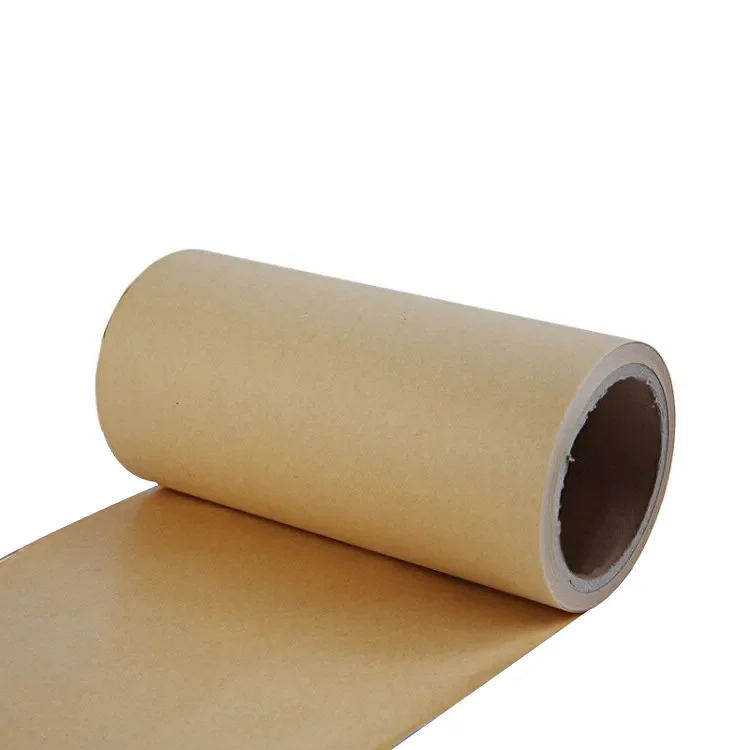
Understanding Release Paper Fundamentals
Core Material Composition and Structure
The foundation of effective release paper begins with carefully selected base materials that provide dimensional stability and consistent surface properties. Most commercial release papers utilize high-quality wood pulp or synthetic substrates that undergo specialized treatment processes to achieve optimal density and smoothness. The base paper typically ranges from 60 to 150 GSM, depending on the intended application and required handling characteristics. Surface uniformity becomes crucial as even minor variations can create inconsistent release values across the material width.
Manufacturing facilities employ sophisticated coating techniques to apply silicone release systems that create the non-stick properties essential for proper functionality. These coating weights are precisely controlled to achieve target release values while maintaining cost efficiency and environmental compliance. The relationship between base paper characteristics and coating performance determines the overall quality and reliability of the finished product in demanding industrial applications.
Silicone Coating Technologies and Performance
Advanced silicone chemistry forms the heart of modern release paper performance, with crosslinked polymer networks providing controlled adhesion properties and thermal stability. Platinum-catalyzed addition cure systems offer superior performance characteristics compared to traditional peroxide-cured alternatives, delivering consistent release values and extended shelf life. The curing process creates a chemically inert surface that resists contamination and maintains performance under challenging environmental conditions.
Release force measurements typically range from ultra-light applications requiring less than 50 grams per inch to heavy-duty industrial uses demanding over 1000 grams per inch of separation force. This wide performance spectrum allows manufacturers to optimize their release paper selection based on specific adhesive formulations and processing requirements. Temperature resistance, chemical compatibility, and aging characteristics further define the suitability for particular market segments and application environments.
Manufacturing Processes and Quality Control
Production Line Configuration and Equipment
Modern release paper manufacturing facilities utilize sophisticated coating lines equipped with precision metering systems and advanced drying technologies to ensure consistent product quality. Gravure coating methods provide excellent uniformity across wide web widths, while maintaining tight control over coating weights and surface characteristics. Multi-zone drying ovens with carefully managed temperature profiles ensure complete silicone cure without degrading the base paper substrate or creating unwanted migration issues.
Quality monitoring systems continuously track critical parameters including coating weight distribution, release force values, and surface defects throughout the production process. Statistical process control methods help identify trends and variations before they impact finished product quality, reducing waste and ensuring consistent performance for downstream converting operations. Web inspection systems detect and mark defects, enabling automated rewinding systems to minimize material losses and maintain customer quality standards.
Testing Methodologies and Performance Validation
Comprehensive testing protocols validate release paper performance across multiple criteria including initial release force, aged release characteristics, and temperature stability. Standard test methods such as FINAT and PSTC procedures provide industry-recognized benchmarks for comparing different products and suppliers. Laboratory aging studies simulate real-world storage conditions to predict long-term performance and shelf-life characteristics under various environmental conditions.
Advanced analytical techniques including differential scanning calorimetry and infrared spectroscopy help characterize silicone crosslink density and chemical composition. Surface energy measurements provide insights into wetting characteristics and contamination resistance, while microscopic analysis reveals coating uniformity and potential defect mechanisms. These comprehensive evaluation methods ensure that release paper products meet stringent performance requirements across diverse industrial applications and regulatory environments.
Application Segments and Market Requirements
Medical and Healthcare Applications
The medical device industry demands release paper products that meet strict biocompatibility and sterility requirements while providing reliable performance in sensitive applications. Wound care products, transdermal patches, and surgical tapes require ultra-clean release surfaces that prevent contamination and ensure consistent adhesive transfer. USP Class VI certification and ISO 10993 compliance become essential qualifications for suppliers serving this demanding market segment.
Sterilization compatibility represents a critical performance requirement, as many medical devices undergo gamma radiation, ethylene oxide, or steam sterilization processes that can affect release characteristics. Specialized silicone formulations resist degradation under these conditions while maintaining stable release properties throughout the product lifecycle. Traceability requirements and documentation standards add additional complexity to supply chain management in healthcare applications.
Electronics and Precision Manufacturing
Electronic component manufacturing relies heavily on release paper for flexible circuit production, component mounting tapes, and thermal interface materials. Clean room compatibility and low ionic contamination levels become critical requirements, as even trace amounts of impurities can cause device failures or reliability issues. Anti-static properties and controlled surface resistivity help prevent electrostatic discharge damage during handling and processing operations.
Dimensional stability under temperature cycling and humidity variations ensures precise component placement and prevents registration errors in high-density electronic assemblies. Specialized surface treatments can provide additional functionality such as enhanced adhesion promotion or selective wetting characteristics. The trend toward miniaturization and increased performance density continues to drive demand for thinner, more precise release paper products with tighter specification tolerances.
Selection Criteria and Performance Optimization
Adhesive Compatibility and Release Force Matching
Successful release paper selection requires careful matching of release characteristics with specific adhesive formulations and processing conditions. Acrylic adhesives typically require different release force ranges compared to rubber-based or silicone adhesive systems, necessitating detailed compatibility testing during product development phases. Temperature exposure during converting operations can significantly affect release behavior, making thermal stability a critical selection criterion.
Chemical resistance properties become important when adhesive formulations contain aggressive solvents, crosslinking agents, or reactive components that might interact with silicone release coatings. Comprehensive compatibility studies help identify potential migration, staining, or adhesion issues before they impact production efficiency or end-product performance. Long-term aging behavior under realistic storage conditions provides additional insights into product suitability and shelf-life expectations.
Converting Process Considerations
Release paper performance during converting operations directly impacts production efficiency, waste rates, and finished product quality. Die-cutting characteristics, including edge quality and matrix removal properties, depend on the interaction between base paper fiber structure, coating properties, and blade geometry. High-speed processing capabilities require consistent release forces and minimal variation across web width to prevent web breaks or adhesive transfer issues.
Unwinding characteristics at various tensions and speeds affect productivity and material utilization rates in automated converting equipment. Static charge generation and dust attraction can create contamination issues that impact final product appearance and performance. Proper selection of anti-static treatments and surface energy modifications helps optimize converting performance while maintaining essential release properties throughout the manufacturing process.
Environmental Considerations and Sustainability
Renewable Raw Materials and Recycling Options
Environmental sustainability has become increasingly important in release paper manufacturing, driving development of bio-based silicone alternatives and renewable base paper substrates. Forest Stewardship Council certification ensures responsible sourcing of wood fiber raw materials, while closed-loop water systems minimize environmental impact during paper manufacturing processes. Life cycle assessment studies help quantify environmental benefits and identify opportunities for further improvement.
Recycling challenges associated with silicone-coated papers have prompted development of specialized separation technologies and alternative disposal methods. Some manufacturers offer take-back programs for post-industrial waste streams, enabling material recovery and reducing landfill disposal requirements. Biodegradable coating systems remain under development but face significant technical challenges in matching the performance and durability of conventional silicone-based products.
Regulatory Compliance and Safety Standards
Increasingly stringent environmental regulations affect silicone chemistry selection, manufacturing processes, and waste disposal practices throughout the release paper supply chain. REACH compliance in European markets requires extensive documentation and testing of chemical components, while similar regulations in other regions create additional complexity for global suppliers. Volatile organic compound emissions during manufacturing and converting operations must meet air quality standards and workplace safety requirements.
Food contact applications demand compliance with FDA regulations and EU food contact materials standards, requiring specialized testing and certification procedures. Migration testing protocols evaluate potential transfer of silicone components or additives into food simulants under various temperature and time conditions. These regulatory requirements significantly influence formulation choices and manufacturing processes for suppliers serving food packaging and related applications.
FAQ
What factors determine the optimal release force for a specific application
The optimal release force depends on several key factors including the adhesive chemistry, substrate surface energy, processing conditions, and end-use requirements. Aggressive adhesives typically require higher release forces to prevent premature separation, while gentle medical applications benefit from ultra-low release values. Temperature exposure during processing and storage can significantly affect release behavior, making thermal stability testing essential for proper selection. Converting equipment capabilities and speed requirements also influence the ideal release force range for efficient production operations.
How does base paper quality affect release paper performance
Base paper quality directly impacts release paper performance through surface smoothness, dimensional stability, and coating adhesion characteristics. High-quality base papers with uniform density and minimal surface defects provide consistent coating application and reduce the risk of pinholes or weak spots. Moisture content and dimensional stability under varying humidity conditions affect converting performance and finished product flatness. The fiber composition and formation quality influence tear strength, die-cutting characteristics, and overall handling properties during manufacturing and end-use applications.
What are the key considerations for storage and shelf life management
Proper storage conditions significantly affect release paper shelf life and performance consistency over time. Temperature and humidity control prevent dimensional changes and potential coating degradation that could affect release characteristics. Protection from UV light exposure helps maintain silicone stability and prevents premature aging of both the coating and base paper substrate. Proper roll storage orientation and support systems prevent core crushing and winding defects that could impact converting performance. Regular rotation of inventory using first-in-first-out principles ensures optimal product performance and minimizes age-related quality issues.
How can manufacturers optimize converting efficiency with release paper
Converting efficiency optimization requires careful attention to unwinding tension, processing speed, and environmental conditions throughout the production line. Consistent release forces across web width prevent tension variations that can cause web breaks or registration errors during die-cutting operations. Proper static control measures reduce dust attraction and contamination issues that impact final product appearance. Regular blade maintenance and geometry optimization ensure clean edge cuts and efficient matrix removal. Temperature and humidity control in the converting environment help maintain stable material properties and prevent dimensional changes during processing.