 EN
EN

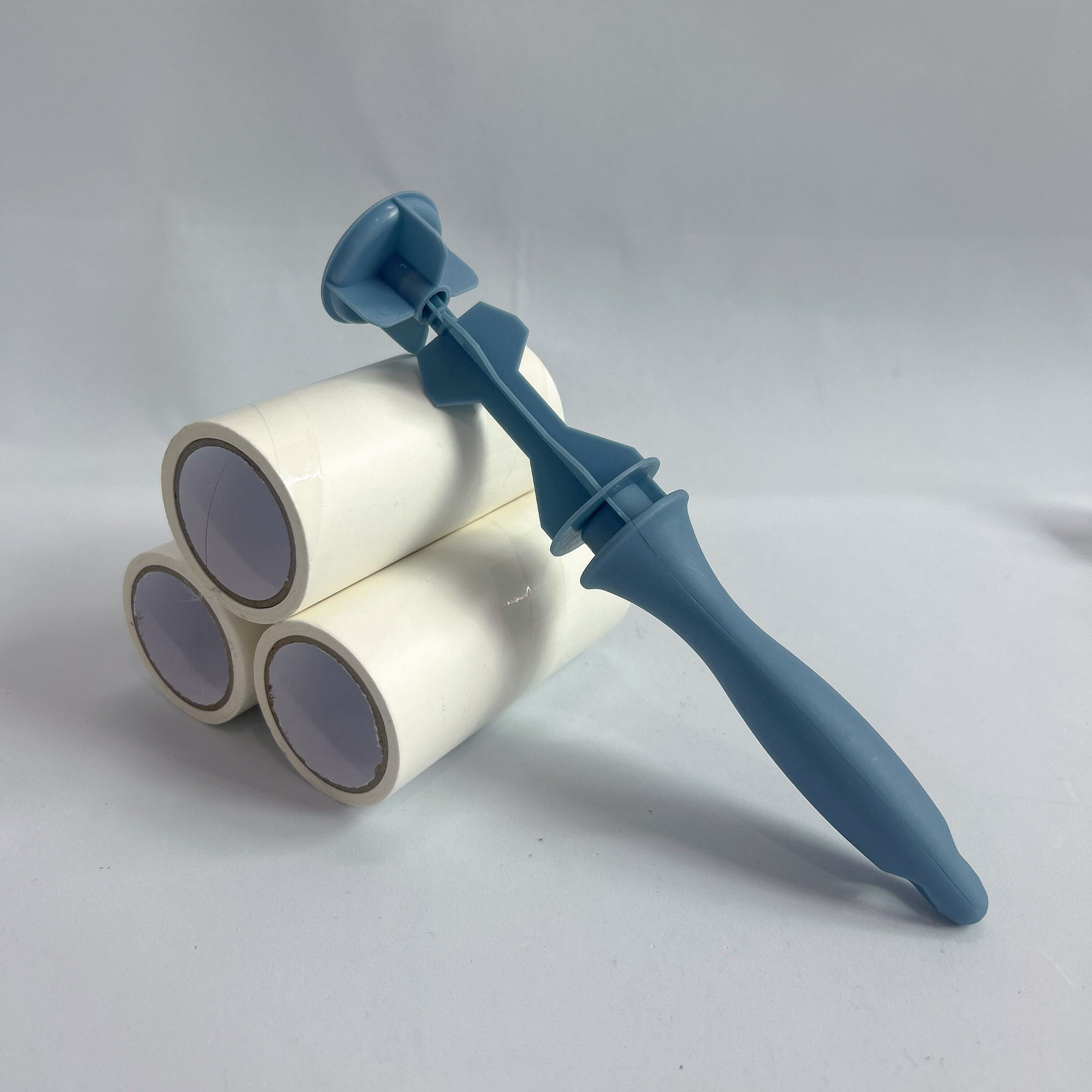
Release paper serves as a crucial component in numerous industrial and commercial applications, providing a temporary protective barrier that can be easily removed when needed. This specialized paper features a non-stick coating that prevents adhesives from permanently bonding to its surface, making it an essential material across industries ranging from manufacturing to packaging. Understanding the different types of release paper and their specific applications helps businesses select the most appropriate solution for their operational requirements.
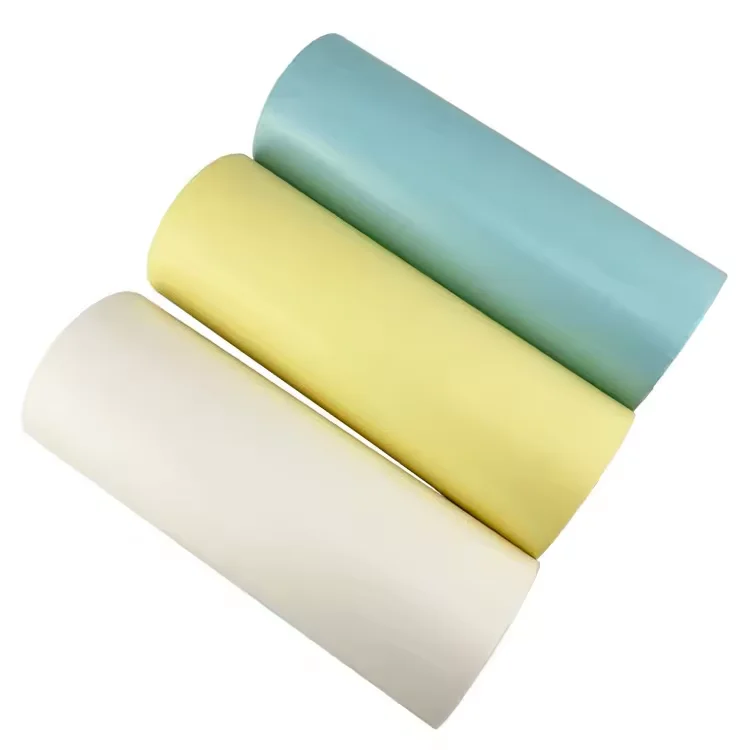
Understanding Release Paper Fundamentals
Basic Composition and Structure
Release paper consists of a base paper substrate treated with specialized release coatings, typically silicone-based materials that create the non-adhesive surface properties. The base paper can vary from lightweight glassine to heavy kraft paper, depending on the intended application requirements. The release coating is applied through precise manufacturing processes that ensure uniform coverage and consistent release characteristics across the entire surface area.
The manufacturing process involves careful selection of raw materials, including high-quality base papers and advanced silicone release agents. Modern production facilities utilize sophisticated coating equipment that applies the release treatment with exceptional precision, ensuring optimal performance characteristics. Quality control measures throughout the manufacturing process guarantee that each batch meets stringent industry standards for release values, dimensional stability, and surface smoothness.
Key Performance Characteristics
Effective release paper must demonstrate specific performance attributes that make it suitable for demanding industrial applications. Release values, measured in Newtons per inch width, determine how easily the paper separates from adhesive materials without causing damage or leaving residue. Temperature resistance ensures the material maintains its release properties across a wide range of operating conditions, from cold storage environments to high-heat manufacturing processes.
Dimensional stability prevents the paper from shrinking, expanding, or warping during storage and use, maintaining precise registration for applications requiring tight tolerances. Surface smoothness contributes to uniform adhesive contact and consistent release performance, while moisture resistance protects the base paper from environmental humidity that could compromise structural integrity. These characteristics work together to deliver reliable performance across diverse application scenarios.
Classification of Release Paper Types
Silicone-Based Release Papers
Silicone-coated release paper represents the most widely used category in industrial applications due to its excellent release characteristics and chemical stability. These papers feature silicone polymer coatings that provide consistent release values across extended storage periods and varying environmental conditions. The silicone treatment creates a molecularly smooth surface that minimizes adhesive interaction while maintaining sufficient adhesion for temporary bonding applications.
Different silicone chemistries offer varying release levels, from light release for delicate applications to heavy release for aggressive adhesives. Platinum-catalyzed silicone systems provide superior heat resistance and chemical inertness, making them ideal for demanding industrial environments. The coating weight can be adjusted to optimize release characteristics for specific adhesive systems, ensuring reliable performance without compromising economic efficiency.
Specialty Coating Systems
Beyond traditional silicone coatings, specialty release papers incorporate alternative coating chemistries designed for specific application requirements. Fluoropolymer-based coatings offer exceptional chemical resistance and ultra-low surface energy, making them suitable for applications involving aggressive solvents or extreme pH conditions. These specialized coatings maintain their release properties even when exposed to harsh chemicals that would degrade conventional silicone treatments.
Clay-based release coatings provide an economical alternative for applications requiring moderate release performance without the cost premium associated with silicone systems. These mineral-based treatments work well with specific adhesive chemistries and offer good dimensional stability. Wax-based release systems, while less common in industrial applications, provide adequate performance for certain packaging and labeling applications where cost considerations outweigh performance requirements.
Industrial Applications and Use Cases
Adhesive Manufacturing and Processing
The adhesive manufacturing industry relies heavily on release paper for production processes, temporary storage, and product packaging. During adhesive tape production, release paper serves as a carrier substrate that allows for precise coating application and subsequent winding operations. The paper must withstand the mechanical stresses of high-speed manufacturing equipment while maintaining dimensional stability throughout the production cycle.
Quality control testing in adhesive manufacturing requires release paper samples with known characteristics to ensure consistent product performance. Different release levels enable manufacturers to optimize their formulations for specific end-use applications, from medical tapes requiring gentle removal to industrial tapes needing strong initial adhesion. The paper also protects adhesive surfaces during shipping and storage, preventing contamination and premature bonding.
Composite Materials and Lamination
Composite manufacturing processes utilize release paper as a barrier between laminating platens and work pieces, preventing permanent adhesion during curing cycles. The paper must withstand elevated temperatures and pressures associated with autoclave processing while maintaining its release properties throughout multiple use cycles. High-temperature release papers incorporate specialized silicone chemistries that remain stable at temperatures exceeding 200°C.
Vacuum bagging applications require release paper with excellent conformability to complex geometries while maintaining barrier properties that prevent resin breakthrough. The paper serves as a release ply that allows for easy removal of excess resin and provides a smooth surface finish on composite parts. Aerospace and automotive industries particularly value release papers that contribute to consistent part quality and reduce post-processing requirements.
Selection Criteria and Performance Factors
Application-Specific Requirements
Selecting the appropriate release paper requires careful consideration of application-specific factors including adhesive chemistry, processing conditions, and performance expectations. Different adhesive systems interact uniquely with release coatings, necessitating compatibility testing to ensure optimal performance. Acrylic adhesives typically require different release characteristics compared to rubber-based or silicone adhesives, influencing coating selection and treatment levels.
Processing temperature ranges significantly impact release paper selection, as elevated temperatures can affect both the base paper substrate and release coating performance. Applications involving thermal processing require papers with enhanced temperature stability and minimal outgassing characteristics. Humidity conditions also influence paper selection, particularly for applications in tropical climates or high-moisture environments where dimensional stability becomes critical.
Economic and Environmental Considerations
Cost optimization involves balancing performance requirements with economic constraints, considering both initial material costs and downstream processing efficiencies. Higher-performance release papers may justify premium pricing through improved yield rates, reduced waste, and enhanced product quality. Life cycle cost analysis often reveals that superior release papers provide better overall value despite higher initial investment.
Environmental sustainability concerns increasingly influence release paper selection decisions, with manufacturers seeking solutions that minimize environmental impact throughout the product lifecycle. Recyclable base papers and environmentally friendly release coatings align with corporate sustainability goals while maintaining necessary performance characteristics. Some applications allow for release paper reuse, further improving environmental profiles and reducing operating costs.
Quality Control and Testing Methods
Release Value Measurement
Accurate measurement of release values ensures consistent performance across production batches and helps predict behavior in end-use applications. Standardized testing methods, including ASTM and TAPPI protocols, provide reproducible results that enable meaningful comparisons between different release paper options. Testing parameters include peel angle, peel rate, and adhesive dwell time, all of which influence measured release values.
Advanced testing equipment incorporates precise force measurement capabilities and environmental controls that simulate actual use conditions. Temperature and humidity chambers allow for testing under various environmental conditions, ensuring release paper performance remains consistent across expected operating ranges. Statistical analysis of test results helps establish quality control limits and identifies potential process variations that could affect product performance.
Physical Property Evaluation
Comprehensive quality control programs evaluate physical properties including tensile strength, elongation, and tear resistance to ensure the base paper substrate meets application requirements. These mechanical properties directly impact the paper's ability to withstand processing stresses and maintain integrity during use. Caliper measurements verify thickness consistency, which affects winding characteristics and storage efficiency.
Surface smoothness evaluation using specialized instrumentation quantifies the paper's ability to provide uniform contact with adhesive surfaces. Moisture content testing ensures dimensional stability and prevents quality issues related to hygroscopic expansion or contraction. Coating weight analysis verifies proper release treatment application and helps maintain consistent release characteristics across production runs.
Future Trends and Innovations
Advanced Coating Technologies
Emerging coating technologies focus on developing more environmentally sustainable release systems while maintaining or improving performance characteristics. Bio-based release agents derived from renewable resources offer potential alternatives to traditional petroleum-based silicone systems. These innovative coatings aim to provide comparable release performance while reducing environmental impact and supporting circular economy principles.
Nanotechnology applications in release paper coatings enable precise control over surface properties at the molecular level, potentially improving release consistency and expanding application possibilities. Smart coatings that respond to environmental stimuli such as temperature or pH changes could provide variable release characteristics within a single product, offering unprecedented flexibility for complex applications.
Digital Integration and Industry 4.0
Digital technologies increasingly integrate with release paper manufacturing and quality control processes, enabling real-time monitoring and predictive maintenance capabilities. Sensors embedded in production equipment provide continuous feedback on coating application parameters, helping maintain optimal product quality while minimizing waste. Data analytics platforms analyze historical performance data to identify optimization opportunities and predict potential quality issues before they occur.
Blockchain technology offers potential for supply chain transparency and traceability, particularly important for industries with strict quality requirements such as medical device manufacturing. Digital product passports could provide comprehensive information about release paper properties, manufacturing conditions, and performance characteristics throughout the product lifecycle, enabling more informed decision-making and improved quality assurance.
FAQ
What is the difference between light and heavy release papers
Light release papers require minimal force to separate from adhesive surfaces, typically measuring 10-50 cN/inch, making them ideal for delicate applications such as medical tapes or electronic component assembly. Heavy release papers require significantly more force for separation, usually measuring 200-1000 cN/inch, and are designed for aggressive adhesives or applications requiring secure temporary bonding during processing.
How long can release paper be stored before use
Properly stored release paper typically maintains its performance characteristics for 12-24 months when kept in controlled environmental conditions with temperatures between 15-25°C and relative humidity below 60%. Storage in original packaging away from direct sunlight and heat sources helps preserve release properties. Some specialty papers may have shorter shelf lives due to specific coating chemistries or base paper characteristics.
Can release paper be recycled after use
Release paper recyclability depends on the base paper substrate and coating system used. Papers with silicone coatings can often be recycled through specialized facilities that can handle coated papers, though the silicone content may limit recycling options. Uncoated base papers and those with water-soluble coatings generally offer better recyclability prospects, supporting environmental sustainability goals.
What causes release paper to fail in applications
Release paper failure typically results from improper storage conditions, incompatible adhesive systems, or inappropriate release level selection for the specific application. Exposure to excessive heat, humidity, or UV radiation can degrade release coatings and compromise performance. Contamination from dust, oils, or other substances can also interfere with release properties and cause adhesive transfer or incomplete separation.