 EN
EN

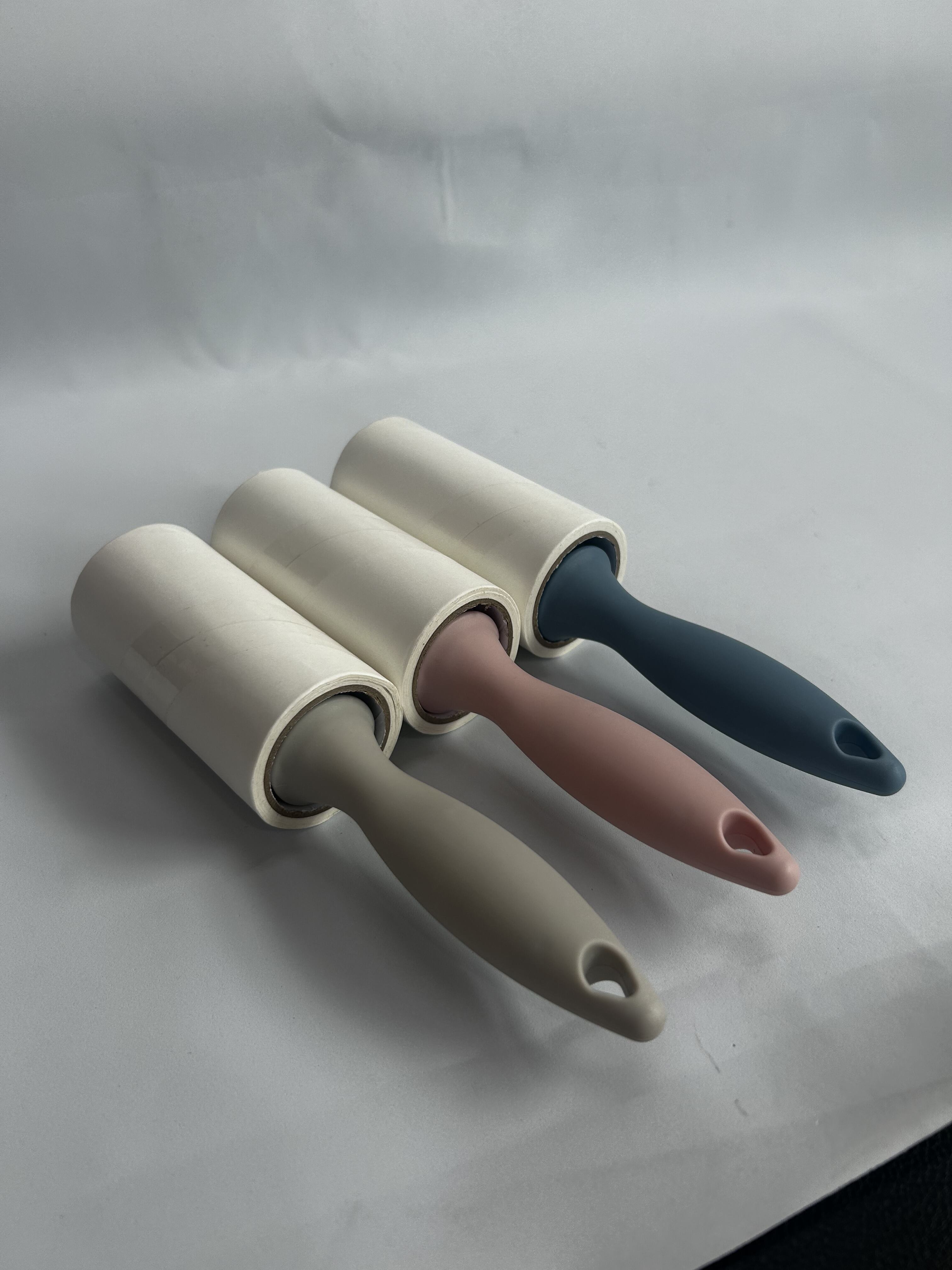
Understanding the fundamental differences between release paper and transfer paper is crucial for professionals in manufacturing, packaging, and industrial applications. While both materials serve important functions in various production processes, their distinct properties and applications make each suitable for specific use cases. The choice between release paper vs transfer paper often determines the success of manufacturing operations, affecting everything from product quality to production efficiency.
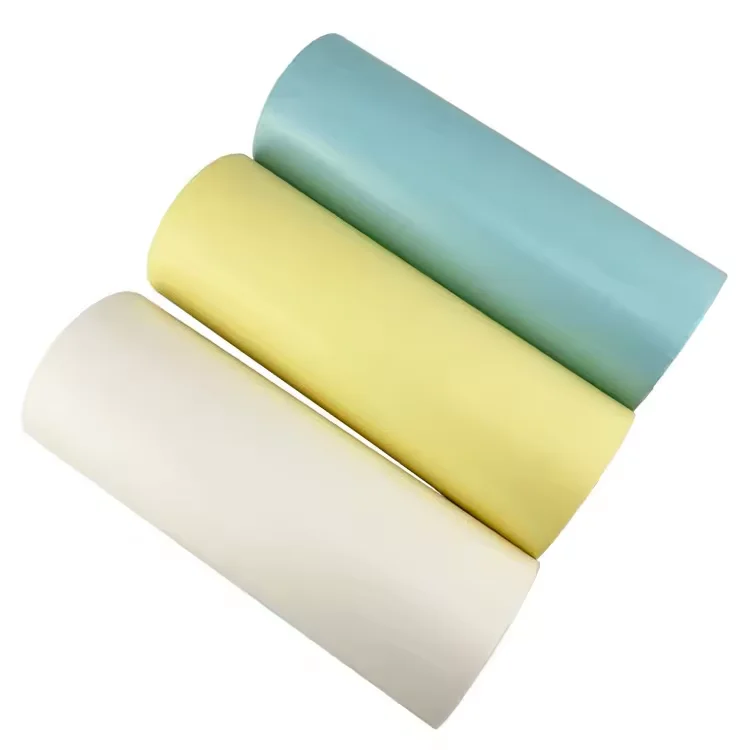
Both materials have evolved significantly over the decades, with modern manufacturing techniques producing increasingly sophisticated variants tailored to specific industrial needs. Release papers and transfer papers now incorporate advanced coating technologies and substrate materials that enhance their performance characteristics. The distinction between these materials becomes particularly important when selecting the right solution for applications ranging from adhesive manufacturing to textile printing and food packaging.
Fundamental Material Composition and Structure
Base Substrate Materials
Release paper typically utilizes high-quality paper substrates that undergo specialized treatment processes to achieve optimal release properties. The base paper is often made from bleached kraft pulp or recycled fibers, providing the necessary strength and dimensional stability required for industrial applications. These substrates are carefully selected for their uniformity, smoothness, and ability to withstand coating processes without compromising structural integrity.
Transfer paper, in contrast, employs substrates specifically engineered for temporary adhesion and clean release characteristics. The base materials for transfer papers frequently include specialty papers with controlled porosity and moisture resistance properties. These substrates must maintain their structural integrity during the transfer process while allowing for precise pattern or image reproduction.
Coating Technologies and Surface Treatments
The coating applied to release paper serves as the primary functional element, creating a non-stick surface that prevents adhesion to various materials. Silicone-based coatings are most commonly used, offering excellent release properties across a wide temperature range. These coatings are applied through precision coating techniques that ensure uniform thickness and consistent release characteristics across the entire surface area.
Transfer paper coatings focus on temporary adhesion rather than release properties. These specialized coatings allow for the temporary holding of inks, adhesives, or other materials during the transfer process. The coating chemistry is designed to release cleanly when specific conditions are met, such as heat activation or pressure application, ensuring complete transfer without residue.
Performance Characteristics and Properties
Release Force and Adhesion Control
When evaluating release paper vs transfer paper, release force measurements become critical performance indicators. Release paper is engineered to maintain consistent, low release forces throughout its service life, ensuring reliable separation from adhesive materials without damage or contamination. These forces are carefully calibrated based on the intended application, with different grades available for light, medium, and heavy-duty release requirements.
Transfer paper exhibits controlled adhesion properties that facilitate the temporary holding and subsequent release of materials during transfer operations. The adhesion strength is designed to be sufficient for handling and positioning while remaining low enough to ensure complete release when required. This balance is achieved through precise control of coating chemistry and application parameters.
Temperature Resistance and Thermal Stability
Release papers demonstrate excellent thermal stability across wide temperature ranges, maintaining their release properties even under elevated temperature conditions. High-performance release papers can withstand temperatures exceeding 200°C without degradation of their release characteristics. This thermal resistance makes them suitable for applications involving hot-melt adhesives, lamination processes, and high-temperature curing operations.
Transfer papers are typically designed for specific temperature activation ranges, with thermal properties tailored to the intended transfer process. Some transfer papers require heat activation to facilitate the transfer mechanism, while others are designed to remain stable at room temperature and release under pressure or other activation methods.
Industrial Applications and Use Cases
Manufacturing and Production Applications
In manufacturing environments, release paper serves as a protective liner for pressure-sensitive adhesives, tapes, and labels. The material prevents premature adhesion during storage and handling while ensuring clean removal when the adhesive product is ready for application. Industries such as automotive, electronics, and medical device manufacturing rely heavily on release paper for component assembly and product packaging applications.
Transfer paper finds extensive use in textile printing, graphics applications, and decorative material production. The material enables the precise transfer of designs, patterns, or functional coatings from one substrate to another. Digital printing operations frequently utilize transfer papers to achieve high-resolution image reproduction on various surfaces including fabrics, ceramics, and metal substrates.
Packaging and Food Industry Applications
The food packaging industry represents a significant market for both release and transfer papers, though their applications differ considerably. Release paper is commonly used as a liner for food-grade adhesive tapes and labels, ensuring product integrity and facilitating easy application. The material must meet strict food safety regulations and maintain its release properties under various storage conditions including refrigeration and freezing.
Transfer paper applications in food packaging often involve decorative printing and branding applications. Edible transfer papers enable the application of detailed designs and images to bakery products, chocolates, and other food items. These specialized transfer papers use food-grade materials and inks that are safe for direct food contact.
Selection Criteria and Decision Factors
Technical Performance Requirements
Selecting between release paper and transfer paper requires careful evaluation of specific performance requirements. Release paper selection focuses on achieving the appropriate release force for the intended adhesive system while maintaining dimensional stability and surface quality. Factors such as silicone coating type, base paper weight, and surface smoothness all influence performance characteristics.
Transfer paper selection emphasizes compatibility with the transfer process and substrate materials. Key considerations include activation temperature, transfer efficiency, and residue-free release characteristics. The choice of coating chemistry and substrate properties must align with the specific transfer mechanism and environmental conditions of the application.
Cost Considerations and Economic Factors
Economic factors play a crucial role in material selection decisions, particularly in high-volume production environments. Release paper costs are influenced by base paper quality, coating type, and processing complexity. Premium silicone coatings and specialized substrates command higher prices but may provide superior performance and longer service life.
Transfer paper pricing reflects the complexity of coating formulations and the precision required in manufacturing processes. While initial material costs may be higher than standard papers, the value proposition includes improved transfer efficiency, reduced waste, and enhanced final product quality. Long-term cost analysis should consider both material expenses and operational benefits.
Quality Control and Testing Methods
Performance Testing Protocols
Quality assurance for release papers involves comprehensive testing of release force characteristics using standardized test methods. These protocols measure the force required to separate the release paper from various adhesive systems under controlled conditions. Test parameters include peel angle, separation speed, and environmental conditions to ensure consistent performance across different applications.
Transfer paper quality control focuses on transfer efficiency and release characteristics. Testing protocols evaluate the completeness of material transfer, adhesion strength during handling, and residue levels after release. Environmental testing ensures performance stability under various temperature and humidity conditions encountered in practical applications.
Surface Quality and Contamination Control
Surface quality assessment for both material types involves detailed analysis of coating uniformity, surface defects, and contamination levels. Release papers undergo inspection for coating voids, streak marks, and foreign particle contamination that could compromise release performance. Advanced surface analysis techniques including microscopy and profilometry provide quantitative assessment of surface characteristics.
Transfer paper surface quality control emphasizes coating integrity and transfer pattern fidelity. Quality assessment includes evaluation of coating adhesion, surface smoothness, and pattern resolution capabilities. Contamination control measures ensure that transfer papers meet cleanliness standards required for sensitive applications such as electronics and medical devices.
FAQ
What is the main difference between release paper and transfer paper
The primary difference lies in their intended function and surface properties. Release paper is designed to provide a non-stick surface that prevents adhesion and allows easy removal from adhesive materials, while transfer paper is engineered to temporarily hold materials during a transfer process and then release them cleanly onto a target substrate. Release paper maintains consistent low-adhesion properties, whereas transfer paper provides controlled temporary adhesion followed by complete release.
Can release paper and transfer paper be used interchangeably
These materials are not typically interchangeable due to their different surface chemistries and performance characteristics. Release paper is optimized for preventing adhesion and may not provide the controlled temporary holding required for transfer applications. Similarly, transfer paper lacks the consistent low-release properties needed for adhesive liner applications. Using the wrong material can result in poor performance, contamination, or process failures.
How do environmental conditions affect the performance of these papers
Both materials can be affected by temperature, humidity, and storage conditions, but in different ways. Release papers may experience changes in release force under extreme temperatures or humidity levels, potentially affecting their separation characteristics. Transfer papers are similarly sensitive to environmental conditions, which can influence their temporary adhesion properties and transfer efficiency. Proper storage in controlled environments helps maintain optimal performance for both material types.
What industries commonly use release paper versus transfer paper
Release paper finds primary applications in adhesive manufacturing, label production, medical device assembly, and automotive component manufacturing where non-stick properties are essential. Transfer paper is predominantly used in textile printing, graphics and signage, food decoration, and electronics manufacturing where temporary holding and precise material transfer are required. While some industries may use both materials, their applications within those industries typically serve different purposes and processes.