 EN
EN

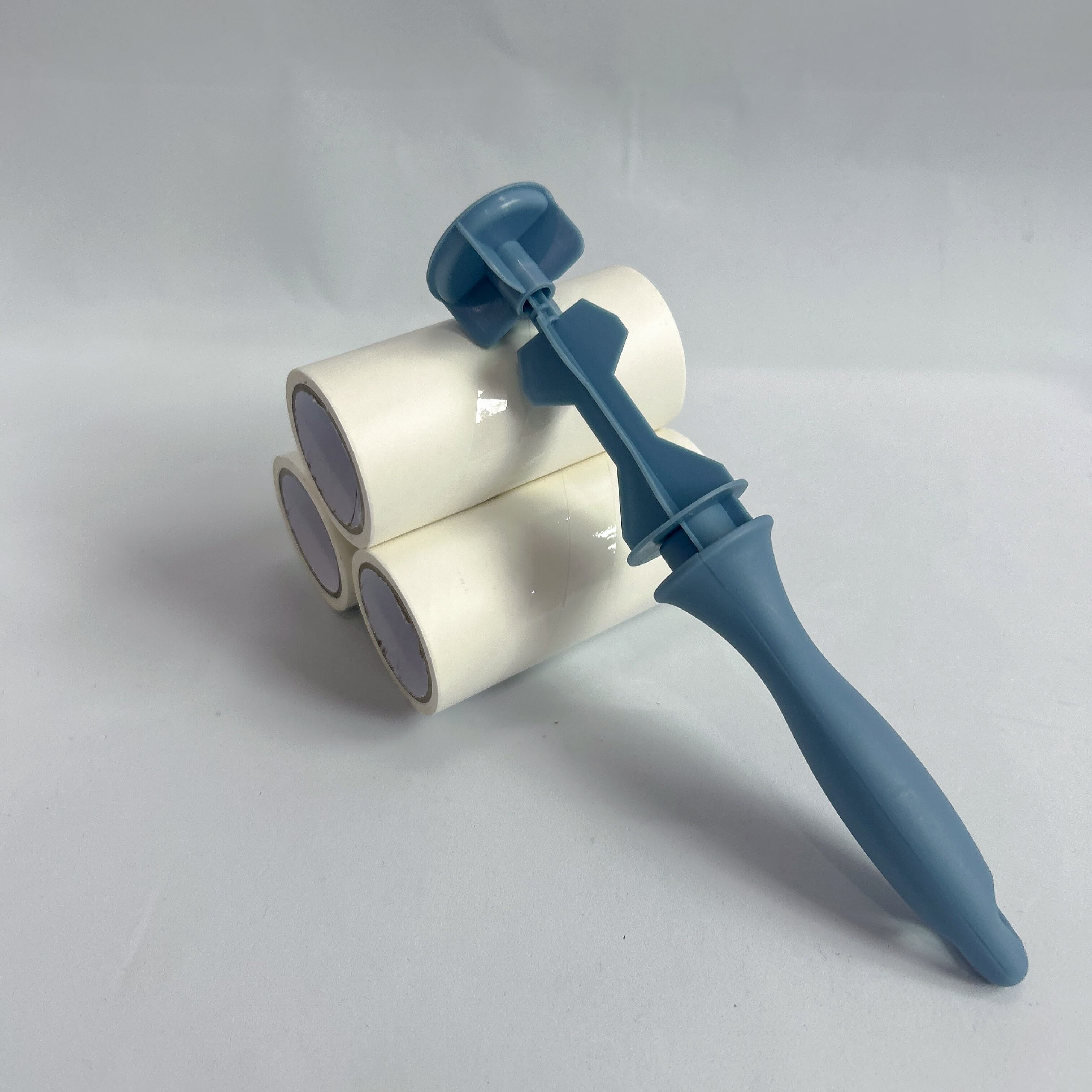
Premium pet hair lint roller manufacturing demands precise understanding of glassine paper specifications to ensure optimal adhesive backing performance and consistent consumer satisfaction. The relationship between glassine paper quality and the final pet hair lint roller product determines critical factors including adhesive release properties, moisture resistance, and manufacturing efficiency during high-speed production processes.
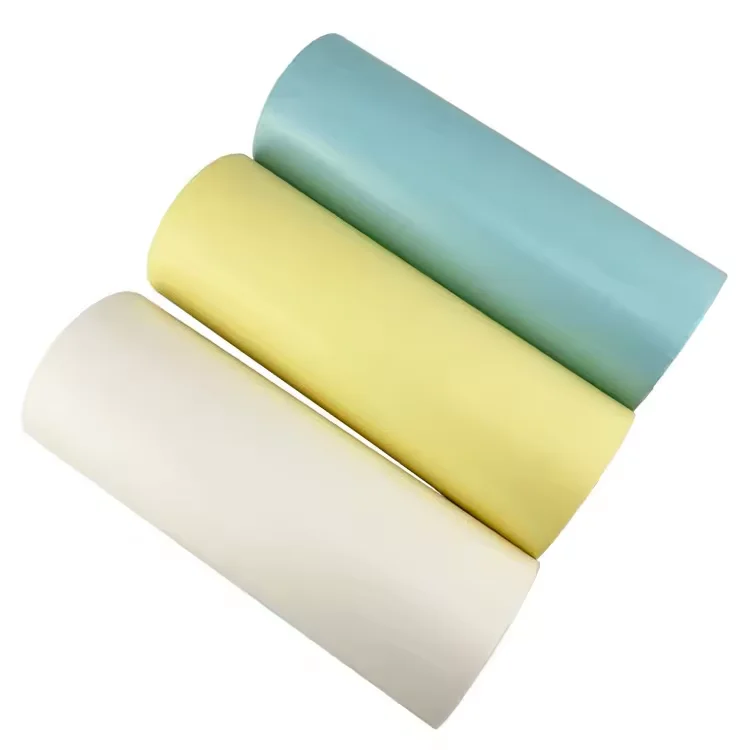
Manufacturing professionals in the pet hair lint roller industry require comprehensive knowledge of glassine paper technical specifications to optimize production workflows and deliver superior consumer products. This specialized backing material influences everything from adhesive tape winding characteristics to final product shelf life, making specification mastery essential for competitive manufacturing operations in the growing pet care market segment.
Critical Glassine Paper Properties for Pet Hair Lint Roller Applications
Surface Smoothness and Release Characteristics
The surface smoothness of glassine paper directly affects the release properties essential for pet hair lint roller functionality. Manufacturing specifications typically require a Sheffield smoothness value between 100-200 seconds, ensuring consistent adhesive release without premature separation during storage or transportation. This smoothness parameter becomes particularly critical when producing pet hair lint roller products designed for multiple-use applications where controlled adhesive exposure is paramount.
Silicone release coating application on glassine paper surfaces requires precise calibration to achieve optimal release force measurements between 50-150 grams per inch width. These specifications ensure that pet hair lint roller adhesive tapes maintain their effectiveness while allowing smooth unwinding during consumer use. Manufacturing facilities must maintain strict quality control protocols to verify release force consistency across production batches.
Surface energy characteristics of glassine paper backing influence adhesive bonding strength and subsequent release performance in pet hair lint roller applications. Optimal surface energy values range between 38-42 dynes per centimeter, providing sufficient adhesive anchoring without compromising release functionality. This balance ensures that the final pet hair lint roller product performs reliably across various environmental conditions and usage scenarios.
Moisture Barrier Performance Standards
Moisture resistance specifications for glassine paper used in pet hair lint roller manufacturing must meet stringent performance criteria to prevent adhesive degradation during storage periods. Water vapor transmission rate requirements typically specify maximum values of 2-4 grams per square meter per 24 hours, ensuring prolonged product shelf life and consistent adhesive performance throughout the distribution cycle.
The crystalline structure of glassine paper provides inherent moisture barrier properties that protect adhesive formulations used in pet hair lint roller products from humidity-induced degradation. Manufacturing specifications often require moisture content levels below 6% to maintain dimensional stability and prevent adhesive migration that could compromise product performance during extended storage periods.
Barrier property testing protocols for glassine paper involve accelerated aging studies under controlled temperature and humidity conditions to simulate real-world storage environments. These tests verify that pet hair lint roller products maintain their adhesive effectiveness and mechanical properties throughout their intended shelf life, typically ranging from 24-36 months depending on packaging specifications and storage conditions.
Technical Manufacturing Parameters and Quality Control Standards
Basis Weight and Caliper Specifications
Glassine paper basis weight specifications for pet hair lint roller manufacturing typically range between 40-60 grams per square meter, providing optimal balance between material strength and manufacturing efficiency. This weight range ensures sufficient backing support for adhesive coating processes while maintaining cost-effective material usage in high-volume production environments.
Caliper consistency across glassine paper rolls directly affects adhesive coating uniformity and final pet hair lint roller product quality. Manufacturing specifications require caliper variations within ±3% across roll width and length to ensure consistent adhesive application and optimal product performance. Advanced manufacturing facilities employ real-time monitoring systems to maintain these tight tolerance requirements throughout production runs.
The relationship between basis weight and caliper specifications influences the mechanical properties of glassine paper used in pet hair lint roller applications. Optimal density values between 0.85-0.95 grams per cubic centimeter provide the structural integrity required for high-speed converting processes while maintaining the flexibility necessary for efficient roll formation and unwinding characteristics.
Chemical Resistance and Adhesive Compatibility
Chemical compatibility between glassine paper and adhesive formulations used in pet hair lint roller manufacturing requires careful specification control to prevent unwanted chemical interactions that could compromise product performance. Silicone release coatings must demonstrate chemical inertness with acrylic and rubber-based adhesives commonly used in pet care applications.
pH stability specifications for glassine paper typically require neutral to slightly alkaline values between 7.0-8.5 to ensure compatibility with various adhesive chemistries used in pet hair lint roller production. Acidic conditions can cause adhesive degradation over time, leading to reduced product effectiveness and potential consumer complaints regarding product performance.
Extractable substance testing ensures that glassine paper used in pet hair lint roller manufacturing meets safety standards for indirect contact with pet environments. Testing protocols verify that potential migrating compounds remain below established threshold levels, ensuring product safety when used in homes with pets and maintaining compliance with relevant consumer product safety regulations.
Production Process Integration and Manufacturing Efficiency Considerations
Converting Line Compatibility Requirements
High-speed converting operations for pet hair lint roller manufacturing require glassine paper with specific mechanical properties to ensure smooth production workflows and minimize downtime. Tensile strength specifications typically require minimum values of 120 N⋅m/g in machine direction and 60 N⋅m/g in cross direction to withstand converting line stresses without web breaks or quality defects.
Web tracking stability during converting operations depends on consistent glassine paper properties including moisture content uniformity and dimensional stability characteristics. Manufacturing specifications often require moisture gradient variations below ±1% across web width to prevent tracking problems that could compromise adhesive application accuracy and final pet hair lint roller product quality.
Static electricity control during glassine paper processing becomes critical for pet hair lint roller manufacturing operations involving synthetic adhesive films and high-speed web handling equipment. Anti-static treatments or controlled manufacturing environments help prevent dust accumulation and ensure consistent adhesive bonding performance throughout production runs.
Adhesive Application Process Parameters
Adhesive coating processes for pet hair lint roller manufacturing require glassine paper with controlled porosity characteristics to prevent adhesive strike-through while maintaining adequate surface bonding. Porosity specifications typically range between 50-200 seconds Bendtsen measurement, providing optimal balance between adhesive anchoring and backing integrity.
Temperature resistance requirements during adhesive curing processes demand glassine paper specifications that maintain dimensional stability and release properties at elevated temperatures up to 150°C. These thermal specifications ensure consistent product quality during hot-melt adhesive applications commonly used in pet hair lint roller manufacturing processes.
Coating weight uniformity across glassine paper surfaces directly affects the performance consistency of finished pet hair lint roller products. Manufacturing specifications typically require coating weight variations within ±5% across web width and ±3% in machine direction to ensure uniform adhesive performance and consumer satisfaction with product effectiveness.
Quality Assurance Protocols and Testing Standards for Pet Hair Lint Roller Applications
Release Force Testing and Characterization
Standardized release force testing protocols for glassine paper used in pet hair lint roller manufacturing follow ASTM D3330 methodologies with specific adaptations for pet care product applications. Testing parameters include peel angle specifications of 180 degrees and peel speeds of 300 mm/minute to simulate actual consumer usage conditions and ensure reliable performance data.
Aging studies for release force characteristics involve exposing glassine paper samples to accelerated conditions including elevated temperature and humidity cycles to predict long-term performance in pet hair lint roller applications. These studies help manufacturers optimize adhesive formulations and backing specifications to maintain consistent product performance throughout the intended shelf life.
Statistical process control methods for release force testing ensure that glassine paper lots meet specifications for pet hair lint roller manufacturing applications. Control charts and capability studies help identify process variations that could affect product quality and enable proactive adjustments to maintain consistent manufacturing output.
Contamination Control and Cleanliness Standards
Cleanliness specifications for glassine paper used in pet hair lint roller manufacturing require stringent contamination control to prevent performance issues and maintain consumer product safety. Particle count specifications typically limit contamination to fewer than 10 particles larger than 100 microns per square decimeter of paper surface area.
Manufacturing environment controls for glassine paper production include filtered air systems and controlled access protocols to minimize contamination risks that could affect pet hair lint roller product quality. Clean room standards comparable to food packaging applications help ensure that backing materials meet the high cleanliness requirements for pet care products.
Foreign matter detection systems during glassine paper production employ optical scanning technologies to identify and remove contaminated sections before material shipment to pet hair lint roller manufacturing facilities. These quality control measures help maintain consistent product performance and reduce customer complaints related to product defects.
FAQ
What specific basis weight range works best for premium pet hair lint roller applications?
Premium pet hair lint roller applications typically require glassine paper with basis weights between 45-55 grams per square meter. This range provides optimal balance between structural integrity for high-speed converting operations and cost efficiency for large-scale manufacturing while ensuring consistent release properties and dimensional stability throughout the production process.
How do moisture barrier properties affect pet hair lint roller shelf life?
Moisture barrier properties directly impact pet hair lint roller shelf life by preventing humidity-induced adhesive degradation that reduces product effectiveness. Glassine paper with water vapor transmission rates below 3 grams per square meter per 24 hours helps maintain adhesive tackiness and ensures product performance remains consistent for 24-36 months under normal storage conditions.
What release force specifications ensure optimal consumer experience with pet hair lint rollers?
Optimal consumer experience with pet hair lint rollers requires glassine paper release force specifications between 75-125 grams per inch width. This range ensures easy tape unwinding during use while preventing premature adhesive exposure during storage and transportation, maintaining product effectiveness throughout the consumer usage cycle.
How do surface smoothness requirements impact adhesive coating uniformity in pet hair lint roller manufacturing?
Surface smoothness requirements between 100-200 seconds Sheffield measurement ensure uniform adhesive coating distribution during pet hair lint roller manufacturing. Smoother surfaces promote consistent coating thickness and prevent adhesive pooling or thin spots that could compromise product performance, ensuring reliable hair removal effectiveness across the entire adhesive surface area.
Table of Contents
- Critical Glassine Paper Properties for Pet Hair Lint Roller Applications
- Technical Manufacturing Parameters and Quality Control Standards
- Production Process Integration and Manufacturing Efficiency Considerations
- Quality Assurance Protocols and Testing Standards for Pet Hair Lint Roller Applications
-
FAQ
- What specific basis weight range works best for premium pet hair lint roller applications?
- How do moisture barrier properties affect pet hair lint roller shelf life?
- What release force specifications ensure optimal consumer experience with pet hair lint rollers?
- How do surface smoothness requirements impact adhesive coating uniformity in pet hair lint roller manufacturing?