 EN
EN

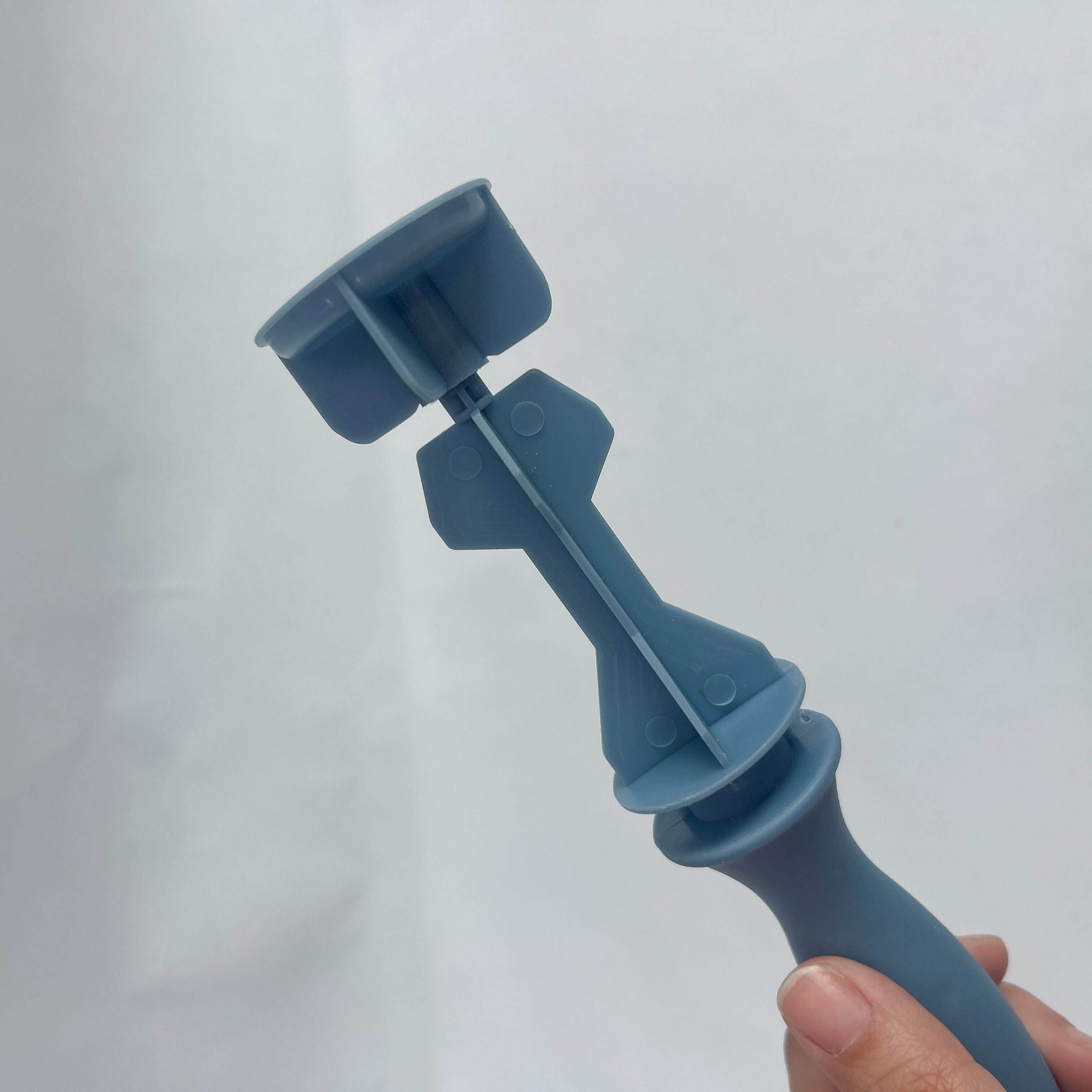
The pet care industry faces mounting pressure to adopt sustainable packaging solutions as environmental consciousness drives consumer purchasing decisions. Pet owners increasingly scrutinize the lifecycle impact of everyday products like the pet hair lint roller, seeking alternatives that maintain effectiveness while reducing ecological footprint. This shift toward eco-friendly packaging represents a critical opportunity for manufacturers to differentiate their products while meeting evolving consumer expectations for responsible manufacturing practices.
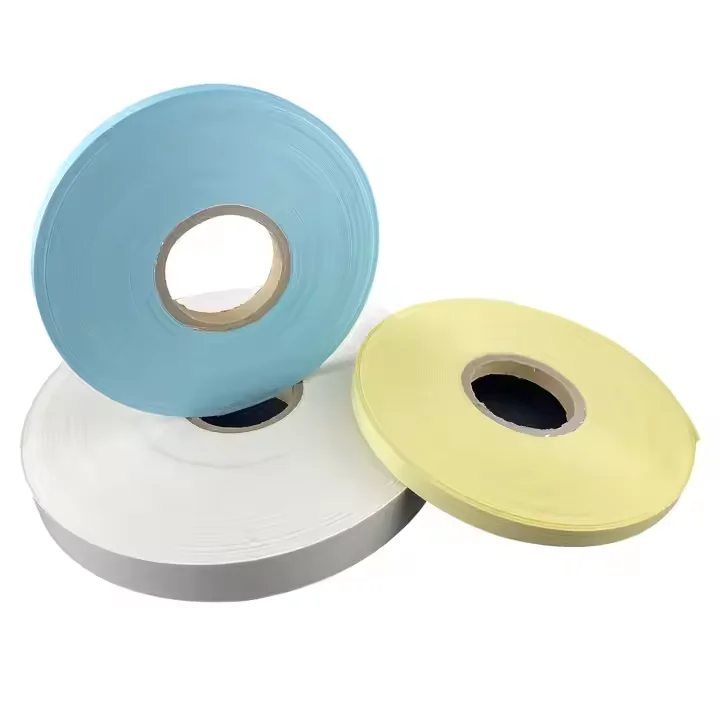
Recyclable glassine paper emerges as a transformative packaging solution that addresses environmental concerns without compromising product protection or user convenience. This biodegradable, moisture-resistant material offers manufacturers of pet hair lint roller products a pathway to sustainable packaging that aligns with circular economy principles. The transition to glassine paper packaging represents more than environmental compliance; it signals a fundamental evolution in how the pet care industry approaches product lifecycle responsibility and consumer engagement.
Understanding the Environmental Impact of Traditional Pet Hair Lint Roller Packaging
Current Packaging Materials and Their Environmental Burden
Traditional pet hair lint roller packaging relies heavily on plastic films, non-recyclable laminates, and synthetic adhesive systems that contribute significantly to packaging waste streams. These conventional materials persist in landfills for decades, releasing microplastics into soil and water systems while creating disposal challenges for environmentally conscious pet owners. The petroleum-based origins of these packaging materials further compound their environmental impact through carbon-intensive manufacturing processes.
Pet care product manufacturers often select packaging materials based primarily on cost efficiency and barrier properties, inadvertently overlooking the long-term environmental consequences of these choices. The cumulative effect of millions of pet hair lint roller units packaged in non-recyclable materials creates substantial waste accumulation that contradicts growing consumer expectations for sustainable product options. This disconnect between traditional packaging practices and environmental responsibility drives the urgent need for alternative solutions.
Consumer Awareness and Purchasing Behavior Shifts
Modern pet owners demonstrate increasing willingness to pay premium prices for products that align with their environmental values, creating market incentives for sustainable packaging innovation. Research indicates that consumers actively seek pet hair lint roller options that minimize packaging waste while maintaining product quality and convenience. This behavioral shift extends beyond mere preference; it represents a fundamental change in how consumers evaluate product value propositions.
The growing influence of environmental consciousness on purchasing decisions affects brand loyalty patterns, with consumers frequently switching to alternatives that demonstrate genuine commitment to sustainability. Pet owners increasingly view packaging choices as reflections of brand values, making sustainable packaging a crucial component of competitive positioning in the pet care market. This trend creates both opportunity and obligation for manufacturers to reimagine their approach to pet hair lint roller packaging design.
Recyclable Glassine Paper as a Sustainable Packaging Alternative
Material Properties and Environmental Advantages
Glassine paper offers unique characteristics that make it ideal for pet hair lint roller packaging applications while maintaining environmental compatibility. This smooth, translucent material provides excellent grease resistance and moderate moisture protection through its dense, calendered structure rather than synthetic coatings. The natural wood fiber composition ensures complete biodegradability under standard composting conditions, eliminating long-term environmental persistence concerns associated with synthetic packaging materials.
The manufacturing process for glassine paper requires significantly less energy than plastic film production while generating minimal toxic byproducts or emissions. This material accepts standard printing inks and adhesives without compromising recyclability, enabling attractive package design that supports brand recognition and consumer appeal. The transparency characteristics of glassine paper allow product visibility similar to plastic windows while maintaining complete environmental compatibility throughout its lifecycle.
Production and Supply Chain Sustainability
Glassine paper production utilizes renewable wood fiber resources that can be sustainably harvested and replanted, creating a circular resource cycle that contrasts sharply with petroleum-based packaging materials. The manufacturing infrastructure for glassine paper integrates readily with existing paper production facilities, minimizing the capital investment required for sustainable packaging transitions. This established production network ensures reliable supply chain stability for manufacturers seeking to implement eco-friendly packaging solutions.
The chemical processing requirements for glassine paper involve conventional pulp treatment methods that avoid the complex petrochemical synthesis required for plastic films. This simplified production pathway reduces energy consumption per unit of packaging material while eliminating the need for specialized disposal infrastructure at end-of-life. The compatibility with standard paper recycling streams further enhances the environmental benefits by enabling closed-loop material recovery in most municipal recycling systems.
Implementation Strategies for Pet Hair Lint Roller Manufacturers
Design Considerations for Glassine Paper Packaging
Successful integration of glassine paper into pet hair lint roller packaging requires careful attention to moisture protection requirements and seal integrity specifications. The natural barrier properties of glassine paper provide adequate protection for most pet grooming applications while maintaining breathability that prevents condensation buildup. Manufacturers must optimize package geometry and sealing methods to maximize protective performance while leveraging the inherent strengths of glassine material characteristics.
Package design modifications may include enhanced sealing techniques, modified adhesive formulations, or protective overcoatings that maintain environmental compatibility while ensuring product freshness and integrity. The printability characteristics of glassine paper enable sophisticated graphics and branding elements that support premium positioning strategies for environmentally conscious pet hair lint roller products. Design teams must balance aesthetic appeal with functional requirements while maintaining the environmental advantages that drive consumer preference.
Manufacturing Process Adaptations
Transitioning from conventional packaging materials to recyclable glassine paper requires systematic evaluation of existing production equipment and potential modification requirements. Many standard packaging machines adapt readily to glassine paper handling with minimal adjustments to feeding mechanisms and sealing parameters. The material handling characteristics of glassine paper often prove superior to plastic films in terms of static control and web tracking consistency during high-speed production operations.
Quality control protocols must incorporate glassine-specific testing methods to ensure consistent barrier performance and seal integrity throughout production runs. The pet hair lint roller packaging transition timeline should include comprehensive trial runs and performance validation testing to identify optimal processing parameters and quality specifications. Staff training requirements typically involve familiarization with material handling differences rather than extensive equipment retraining, facilitating smooth production transitions.
Market Positioning and Consumer Communication Strategies
Environmental Messaging and Brand Differentiation
Effective communication of sustainability benefits requires clear, factual messaging that educates consumers about the environmental advantages of recyclable glassine paper packaging without overstating claims or creating confusion. Pet owners respond positively to specific information about biodegradability timelines, recycling compatibility, and resource conservation benefits rather than vague environmental statements. The messaging strategy should emphasize practical benefits that resonate with daily pet care routines while highlighting long-term environmental responsibility.
Brand positioning around sustainable packaging creates opportunities for premium pricing strategies that reflect the true cost of environmental responsibility while building consumer loyalty among environmentally conscious segments. The pet hair lint roller market demonstrates strong price elasticity for products that deliver genuine sustainability benefits without compromising performance or convenience. Marketing campaigns should focus on the alignment between pet owner values and packaging choices while maintaining credible claims about environmental impact reduction.
Competitive Advantages and Market Penetration
Early adoption of recyclable glassine paper packaging provides first-mover advantages in market segments where environmental consciousness drives purchasing decisions. The relatively limited availability of truly sustainable packaging options for pet hair lint roller products creates opportunities for significant market share gains among environmentally motivated consumers. This competitive positioning becomes particularly valuable as regulatory pressure increases and consumer awareness continues expanding across demographic segments.
The technical performance characteristics of glassine paper packaging often equal or exceed conventional materials in key metrics like moisture protection and printability while providing superior environmental credentials. This performance parity eliminates consumer concerns about trade-offs between environmental responsibility and product effectiveness, facilitating market penetration across broader consumer segments. The combination of environmental benefits and maintained functionality creates compelling value propositions for both retail partners and end consumers.
Economic and Operational Considerations
Cost Analysis and Financial Planning
The initial cost premium associated with recyclable glassine paper packaging typically ranges from ten to twenty percent above conventional plastic films, depending on volume commitments and supplier relationships. However, comprehensive lifecycle cost analysis often reveals favorable economics when factoring in potential premium pricing opportunities and brand value enhancement. The growing availability of glassine paper suppliers creates competitive pressure that gradually reduces cost differentials while improving quality consistency and delivery reliability.
Pet hair lint roller manufacturers must evaluate the total cost impact including potential marketing advantages, consumer willingness to pay premiums, and long-term brand positioning benefits that extend beyond immediate material costs. The investment in sustainable packaging infrastructure often generates positive returns through enhanced brand reputation and expanded market access to environmentally conscious retail channels. Financial planning should incorporate anticipated regulatory changes and consumer preference shifts that may accelerate the transition timeline and improve project economics.
Supply Chain Development and Risk Management
Establishing reliable supply chains for recyclable glassine paper requires strategic partnerships with suppliers who demonstrate consistent quality standards and production capacity scalability. The paper industry infrastructure provides multiple sourcing options that reduce supply chain risk compared to specialized plastic film suppliers with limited production facilities. Manufacturers should diversify supplier relationships while maintaining quality specifications to ensure uninterrupted production of environmentally packaged pet hair lint roller products.
Risk mitigation strategies should address potential quality variations in glassine paper supplies, seasonal availability fluctuations, and transportation cost considerations that may affect overall project economics. The established paper recycling infrastructure provides supply chain stability advantages while supporting circular economy principles that enhance long-term sustainability goals. Inventory management practices may require adjustment to accommodate different storage requirements and shelf life considerations specific to paper-based packaging materials.
FAQ
How does recyclable glassine paper compare to plastic packaging in terms of protecting pet hair lint roller effectiveness?
Recyclable glassine paper provides excellent moisture resistance and barrier properties that effectively protect pet hair lint roller adhesive surfaces while maintaining product performance standards. The material's smooth surface prevents adhesive migration and contamination while allowing controlled breathability that prevents moisture accumulation. Testing demonstrates that glassine paper packaging maintains pet hair lint roller effectiveness throughout standard shelf life periods without compromising adhesive strength or pickup performance.
What are the typical cost implications of switching from conventional packaging to recyclable glassine paper for pet hair lint roller products?
The transition to recyclable glassine paper packaging typically involves a ten to twenty percent material cost increase compared to conventional plastic films, but this premium often enables higher retail pricing that more than compensates for increased packaging costs. The total cost impact depends on volume commitments, supplier relationships, and market positioning strategies that leverage environmental benefits for competitive advantage. Many manufacturers find that consumer willingness to pay premiums for sustainable pet hair lint roller products creates favorable economics despite higher packaging material costs.
Can existing packaging equipment handle recyclable glassine paper without major modifications?
Most standard packaging equipment adapts readily to recyclable glassine paper with minor adjustments to feeding mechanisms, tension controls, and sealing parameters rather than requiring major equipment overhauls. The material handling characteristics of glassine paper often prove superior to plastic films in terms of web tracking consistency and static control during high-speed operations. Manufacturers typically complete the transition with minimal capital investment while maintaining production efficiency and quality standards for pet hair lint roller packaging operations.
How should manufacturers communicate the environmental benefits of recyclable glassine paper packaging to consumers?
Effective communication focuses on specific, factual benefits such as biodegradability timelines, recycling compatibility, and resource conservation rather than vague environmental claims that may confuse or mislead consumers. Pet owners respond positively to clear information about how choosing sustainable packaging for their pet hair lint roller purchases contributes to environmental protection while maintaining product quality and convenience. Marketing messages should emphasize the alignment between consumer values and packaging choices while providing actionable information about proper disposal and recycling practices.
Table of Contents
- Understanding the Environmental Impact of Traditional Pet Hair Lint Roller Packaging
- Recyclable Glassine Paper as a Sustainable Packaging Alternative
- Implementation Strategies for Pet Hair Lint Roller Manufacturers
- Market Positioning and Consumer Communication Strategies
- Economic and Operational Considerations
-
FAQ
- How does recyclable glassine paper compare to plastic packaging in terms of protecting pet hair lint roller effectiveness?
- What are the typical cost implications of switching from conventional packaging to recyclable glassine paper for pet hair lint roller products?
- Can existing packaging equipment handle recyclable glassine paper without major modifications?
- How should manufacturers communicate the environmental benefits of recyclable glassine paper packaging to consumers?