 EN
EN

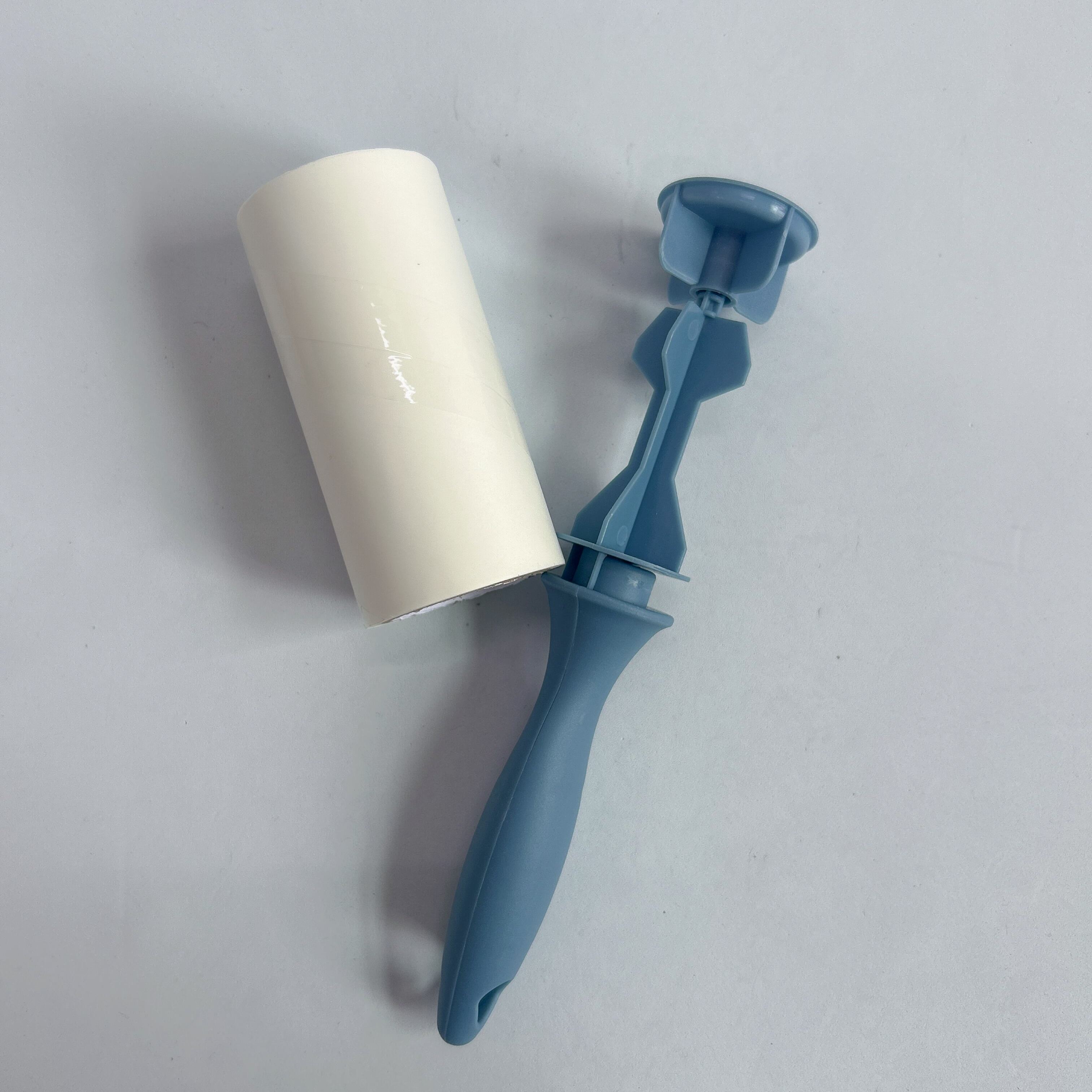
The performance of any pet hair lint roller depends heavily on the technical characteristics of its underlying substrate material, with high-density glassine paper emerging as a critical component that directly influences adhesive efficiency, surface texture, and overall hair removal capability. This specialized paper substrate creates the foundation for optimal adhesive coating distribution and ensures consistent tackiness across the entire roller surface, fundamentally transforming how effectively a pet hair lint roller captures and retains pet dander, fur, and debris from various fabric surfaces.
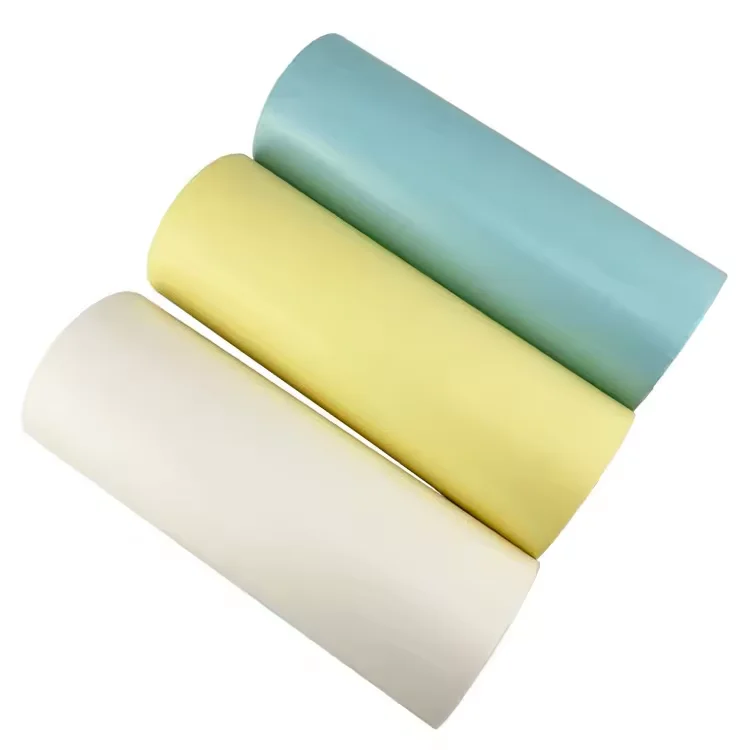
Understanding the technical synergy between high-density glassine paper and adhesive formulations reveals why certain pet hair lint roller designs consistently outperform others in real-world applications. The molecular structure and surface characteristics of glassine paper create specific interaction patterns with pressure-sensitive adhesives, resulting in enhanced tackiness retention, improved conformability to irregular surfaces, and superior release characteristics when the adhesive-coated sheets are removed from the roller core during use.
Surface Chemistry and Adhesive Bonding Mechanisms
Glassine Paper Density Impact on Adhesive Distribution
High-density glassine paper provides a fundamentally different substrate compared to standard paper materials used in inferior pet hair lint roller designs. The calendering process that creates glassine paper results in a smooth, non-porous surface with controlled porosity that prevents adhesive penetration while maintaining optimal surface energy for adhesive coating application. This controlled surface interaction ensures that pressure-sensitive adhesives maintain their intended viscosity and tackiness properties rather than being absorbed into the substrate material.
The molecular weight distribution of adhesive polymers interacts differently with high-density glassine surfaces compared to conventional paper substrates. These interactions create more uniform adhesive film thickness across the entire pet hair lint roller surface, eliminating the thin spots and thick accumulations that can compromise hair removal effectiveness. The result is consistent adhesive performance from the first use to the final sheet removal, ensuring reliable pet hair capture throughout the product lifecycle.
Surface energy characteristics of high-density glassine paper also influence the wetting behavior of adhesive coatings during manufacturing. Proper wetting ensures complete surface coverage without adhesive beading or incomplete coating areas that would create dead zones on the finished pet hair lint roller. This technical consideration becomes particularly important when dealing with fine pet hair and dander that require maximum surface contact for effective removal.
Release Liner Performance and Rollability
The technical properties of high-density glassine paper directly affect how easily individual sheets separate from the pet hair lint roller core during use. The paper's inherent flexibility and tear resistance ensure clean separation without delamination or adhesive transfer to the backing material. This clean release mechanism prevents adhesive buildup on the roller handle and maintains consistent sheet-to-sheet performance throughout the product's useful life.
Glassine paper's resistance to moisture absorption becomes particularly important in humid environments where conventional paper substrates might compromise adhesive performance. The barrier properties of high-density glassine paper maintain adhesive integrity even when the pet hair lint roller is stored in bathrooms, laundry rooms, or other high-humidity areas where pet hair removal is frequently needed.
The dimensional stability of glassine paper under various temperature conditions ensures that the rolled configuration maintains proper tension and alignment. This stability prevents the telescoping or edge distortion that can occur with inferior substrate materials, maintaining the cylindrical integrity essential for smooth rolling action during pet hair removal operations.
Mechanical Properties and Durability Factors
Tensile Strength and Handling Characteristics
High-density glassine paper exhibits superior tensile strength compared to conventional paper substrates, providing the mechanical integrity necessary for reliable pet hair lint roller operation. This strength characteristic prevents premature tearing during aggressive hair removal sessions, particularly when dealing with embedded pet hair in upholstery or carpet fibers that require firm pressure and multiple passes for complete removal.
The elongation properties of glassine paper allow the substrate to conform to irregular surface contours without cracking or splitting. This conformability ensures that the adhesive coating maintains contact with pet hair embedded in fabric textures, crevices, and surface irregularities that might otherwise harbor allergens and dander. The mechanical flexibility translates directly into improved cleaning effectiveness across diverse fabric types and surface conditions.
Burst strength characteristics of high-density glassine paper resist puncture damage from sharp pet claws or debris that might be encountered during typical pet hair lint roller use. This puncture resistance maintains the integrity of the adhesive coating and prevents premature sheet failure that would reduce overall product effectiveness and user satisfaction.
Thermal Stability and Storage Performance
The thermal properties of glassine paper contribute significantly to pet hair lint roller performance consistency across varying environmental conditions. High-density glassine maintains its structural integrity and surface characteristics through temperature cycles that might affect conventional paper substrates, ensuring reliable adhesive support regardless of storage or use temperature.
Temperature-induced dimensional changes in the substrate material can affect adhesive coating uniformity and tackiness distribution. Glassine paper's low thermal expansion coefficient maintains coating thickness consistency and prevents the adhesive flow or migration that could create performance variations across the pet hair lint roller surface.
Long-term storage stability becomes particularly important for bulk purchasing scenarios where pet hair lint roller products may remain in inventory for extended periods. The chemical inertness of glassine paper prevents degradation reactions that could compromise adhesive performance or generate odors that might affect pet behavior or user acceptance.
Manufacturing Integration and Quality Control
Coating Process Optimization
The manufacturing process for pet hair lint roller products requires precise control of adhesive application parameters, with glassine paper substrate properties directly influencing coating uniformity and adhesive curing characteristics. High-density glassine paper provides the dimensional stability necessary for accurate web tension control during high-speed coating operations, ensuring consistent adhesive thickness across the entire web width.
Surface preparation requirements for glassine paper differ significantly from those needed for conventional paper substrates. The inherently smooth surface of glassine paper eliminates the need for extensive surface conditioning treatments that might be required for other substrate materials, simplifying the manufacturing process while ensuring optimal adhesive adhesion and performance characteristics.
Quality control testing procedures for pet hair lint roller products must account for the interaction between substrate properties and adhesive performance. Glassine paper's consistent surface characteristics enable more reliable quality testing protocols and reduce the variability in test results that might occur with substrate materials having variable surface properties or porosity characteristics.
Die-Cutting and Finishing Operations
The cutting characteristics of high-density glassine paper directly affect the edge quality of individual pet hair lint roller sheets. Clean, straight edges prevent premature lifting or peeling of adhesive coatings that could compromise performance or create safety concerns during use. The paper's resistance to delamination during die-cutting operations ensures that cut edges remain sealed and do not provide entry points for adhesive failure.
Perforation characteristics for easy sheet removal require careful consideration of glassine paper properties. The controlled tear propagation in high-density glassine ensures that perforations function reliably without extending beyond intended tear lines, maintaining the integrity of remaining sheets on the pet hair lint roller while allowing clean removal of used sheets.
Edge sealing properties of glassine paper help prevent adhesive bleeding or oozing that could create handling difficulties or contamination issues during product use. This edge integrity maintains the professional appearance and functional performance that users expect from quality pet hair lint roller products.
Performance Optimization and Application Benefits
Hair Capture Efficiency Enhancement
The technical synergy between high-density glassine paper and adhesive formulations creates measurable improvements in pet hair capture efficiency compared to conventional substrate materials. The uniform surface energy distribution across glassine paper ensures consistent adhesive tackiness that effectively captures both long guard hairs and fine undercoat fibers that contribute to pet allergen loads in household environments.
Microstructural analysis reveals that glassine paper's smooth surface topology allows adhesive polymers to form more uniform contact interfaces with pet hair strands. This improved contact geometry increases the effective adhesive contact area per hair strand, resulting in stronger retention forces that prevent hair release during normal handling and storage of used pet hair lint roller sheets.
The chemical compatibility between glassine paper and modern pressure-sensitive adhesive formulations enables the use of advanced adhesive technologies specifically designed for pet hair removal applications. These specialized adhesives can achieve optimal performance only when applied to substrates with appropriate surface characteristics, making high-density glassine paper essential for realizing the full potential of modern pet hair lint roller technology.
User Experience and Ergonomic Considerations
High-density glassine paper contributes to improved user experience through enhanced tactile feedback during pet hair lint roller operation. The substrate's stiffness characteristics provide the right balance between flexibility for surface conformability and rigidity for effective pressure transmission during hair removal operations. This balance ensures that users can feel when adequate pressure is being applied for optimal cleaning effectiveness.
The low-friction characteristics of glassine paper surfaces reduce the rolling resistance experienced by users, minimizing fatigue during extended cleaning sessions. This ergonomic advantage becomes particularly important when dealing with large surface areas or when multiple cleaning passes are required for thorough pet hair lint roller performance on heavily contaminated surfaces.
Noise characteristics during pet hair lint roller operation are influenced by the substrate material properties, with glassine paper providing quieter operation compared to stiffer or more brittle substrate alternatives. This acoustic consideration may be important in noise-sensitive environments or when cleaning around sleeping pets or family members.
FAQ
What makes high-density glassine paper superior to regular paper in pet hair lint rollers?
High-density glassine paper provides a non-porous, smooth surface that prevents adhesive absorption while maintaining optimal surface energy for uniform coating application. This results in consistent tackiness, better hair capture efficiency, and improved moisture resistance compared to regular paper substrates that can compromise adhesive performance through absorption and surface irregularities.
How does the substrate material affect the longevity of a pet hair lint roller?
The substrate material directly influences product longevity through its mechanical properties, dimensional stability, and chemical compatibility with adhesive formulations. High-density glassine paper provides superior tensile strength, tear resistance, and thermal stability, ensuring that each sheet maintains its integrity and performance characteristics throughout the product's useful life while preventing premature failure or adhesive degradation.
Can the choice of substrate paper impact pet safety when using lint rollers?
Yes, substrate material selection affects pet safety through several mechanisms including edge quality, adhesive containment, and chemical inertness. High-density glassine paper provides clean cut edges that prevent sharp or rough surfaces, contains adhesive effectively to prevent accidental ingestion, and maintains chemical stability that eliminates the risk of degradation products that could affect pet health or behavior.
Why is moisture resistance important in pet hair lint roller substrate materials?
Moisture resistance prevents adhesive performance degradation in humid environments and maintains product effectiveness in typical storage locations like bathrooms or laundry rooms. High-density glassine paper's barrier properties protect the adhesive coating from humidity-induced tackiness loss while preventing dimensional changes that could affect roller operation or sheet separation characteristics during normal use.
Table of Contents
- Surface Chemistry and Adhesive Bonding Mechanisms
- Mechanical Properties and Durability Factors
- Manufacturing Integration and Quality Control
- Performance Optimization and Application Benefits
-
FAQ
- What makes high-density glassine paper superior to regular paper in pet hair lint rollers?
- How does the substrate material affect the longevity of a pet hair lint roller?
- Can the choice of substrate paper impact pet safety when using lint rollers?
- Why is moisture resistance important in pet hair lint roller substrate materials?