 EN
EN

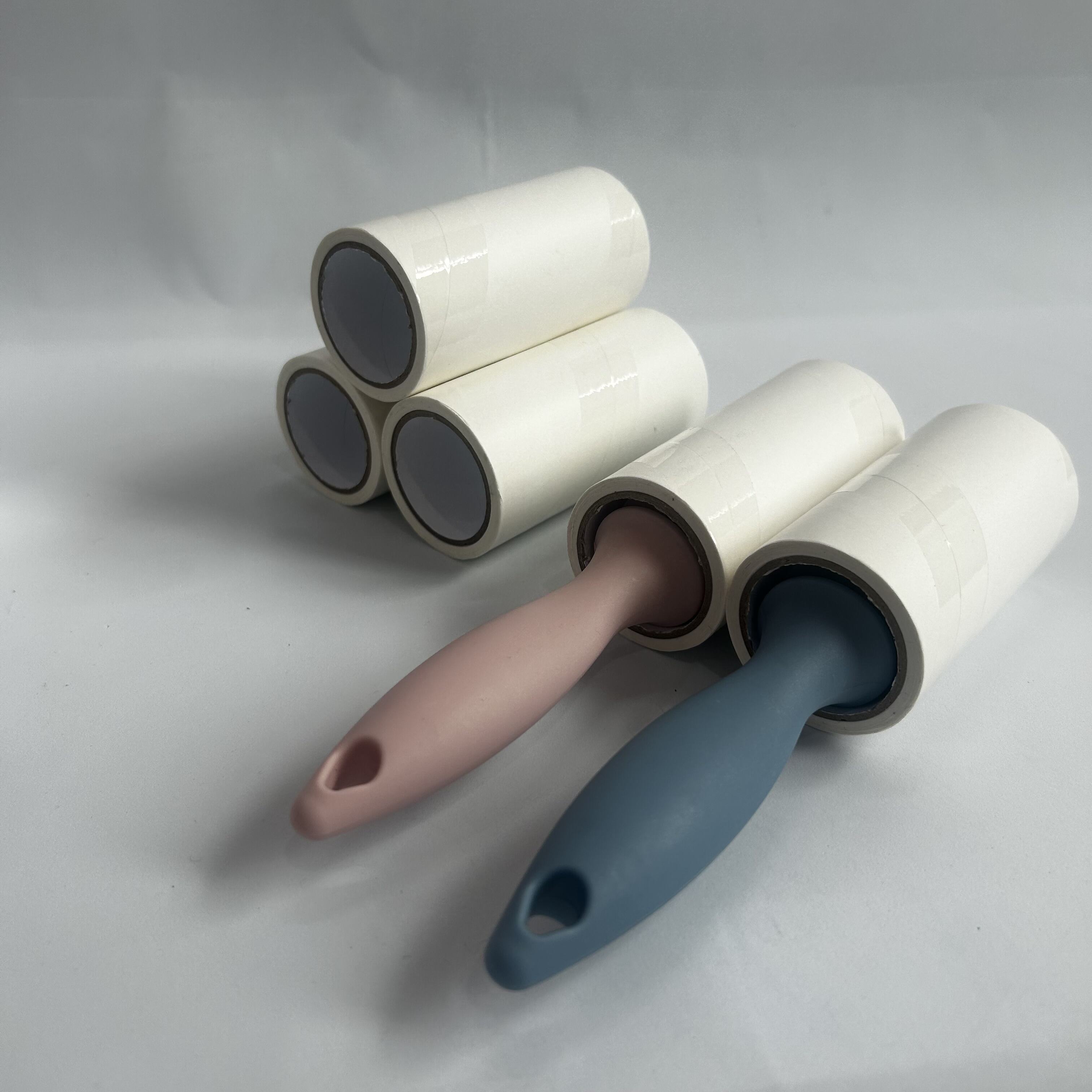
The sticky roller has become an indispensable tool for maintaining pristine surfaces throughout homes and offices worldwide. Whether you're dealing with stubborn pet hair on upholstery or lint accumulation on clothing, understanding proper sticky roller techniques can dramatically improve your cleaning efficiency and results. Professional cleaning services rely heavily on these versatile tools to deliver spotless results across various surface types and materials.
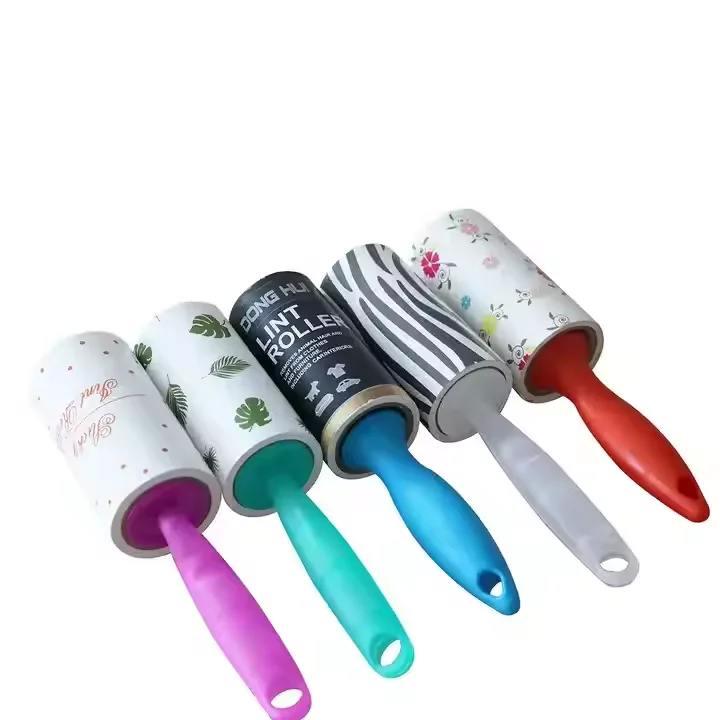
Modern sticky roller technology has evolved significantly from its humble beginnings, incorporating advanced adhesive formulations and ergonomic designs that maximize cleaning effectiveness while minimizing user fatigue. These improvements have made the sticky roller an essential component of any comprehensive cleaning arsenal, capable of addressing challenging debris removal tasks that traditional cleaning methods often struggle to handle effectively.
Understanding Sticky Roller Mechanics and Design
Adhesive Technology and Surface Interaction
The effectiveness of any sticky roller depends primarily on the quality and composition of its adhesive surface, which must strike a delicate balance between tackiness and controlled release. Premium sticky roller models utilize specially formulated adhesives that maintain optimal stickiness across multiple uses while preventing excessive residue transfer to cleaned surfaces. This technological advancement ensures consistent performance throughout the roller's operational lifespan.
Understanding how adhesive strength correlates with different debris types allows users to select appropriate sticky roller variants for specific cleaning challenges. Fine particles like dust and lint require moderate adhesive strength, while stubborn materials such as pet hair demand higher tackiness levels to achieve complete removal without multiple passes over the same area.
Handle Design and Ergonomic Considerations
Professional-grade sticky roller handles incorporate ergonomic features that reduce hand strain during extended cleaning sessions, particularly important for commercial cleaning applications or large-scale residential projects. The handle length and grip design directly influence cleaning efficiency and user comfort, making these factors crucial considerations when selecting the appropriate sticky roller for specific applications.
Weight distribution plays a significant role in sticky roller performance, as properly balanced tools require less pressure application while maintaining effective debris pickup rates. This balance becomes particularly important when working on delicate fabrics or surfaces where excessive pressure could cause damage or unwanted adhesive transfer.
Surface-Specific Sticky Roller Applications
Fabric and Clothing Maintenance
Clothing maintenance represents one of the most common applications for sticky roller technology, requiring specific techniques to avoid fabric damage while achieving thorough lint and debris removal. Different fabric types respond uniquely to sticky roller treatment, with delicate materials requiring gentler pressure application compared to robust synthetic fabrics that can withstand more aggressive cleaning approaches.
The directional application of a sticky roller on clothing significantly impacts cleaning effectiveness, with consistent rolling patterns producing superior results compared to random or haphazard movements. Professional garment care specialists recommend working from top to bottom in overlapping passes, ensuring complete coverage while maintaining fabric integrity throughout the cleaning process.
Upholstery and Furniture Cleaning
Upholstered furniture presents unique challenges for sticky roller applications, particularly when dealing with embedded pet hair or accumulated lint in fabric crevices and seam areas. Effective furniture cleaning requires systematic approaches that address both surface debris and deeply embedded particles that standard vacuuming methods often leave behind.
The sticky roller technique for furniture involves careful pressure modulation to prevent adhesive residue transfer while maintaining sufficient contact force for effective debris pickup. This delicate balance requires practice and understanding of different upholstery materials and their specific cleaning requirements.
Advanced Sticky Roller Techniques for Professional Results
Pressure Application and Movement Patterns
Mastering proper pressure application transforms basic sticky roller usage into a professional-level cleaning technique that maximizes debris removal while preserving surface integrity. Consistent pressure distribution across the roller surface ensures uniform contact with cleaning targets, preventing patchy results that often characterize amateur cleaning attempts.
Movement pattern optimization involves developing systematic approaches that minimize cleaning time while maximizing coverage efficiency. Professional cleaners employ specific rolling techniques that account for surface texture, debris type, and adhesive characteristics to achieve superior results with minimal effort expenditure.
Multi-Surface Cleaning Strategies
Developing expertise in multi-surface sticky roller applications requires understanding how different materials interact with adhesive surfaces and adjusting techniques accordingly. Hard surfaces demand different approaches compared to soft fabrics, with pressure, speed, and rolling patterns all requiring modification based on the specific cleaning target characteristics.
Sequential cleaning approaches allow users to address multiple surface types efficiently during single cleaning sessions, reducing overall time investment while maintaining consistent quality across all treated areas. This systematic methodology proves particularly valuable in commercial settings where time efficiency directly impacts operational costs.
Maintenance and Longevity Optimization
Proper Storage and Handling
Extending sticky roller lifespan requires attention to proper storage conditions that preserve adhesive properties and prevent premature degradation. Environmental factors such as temperature, humidity, and exposure to contaminants can significantly impact adhesive performance, making controlled storage essential for maintaining optimal cleaning capability.
Regular inspection and maintenance routines help identify potential issues before they compromise sticky roller effectiveness, allowing users to address problems proactively rather than experiencing unexpected performance degradation during critical cleaning tasks. These preventive measures prove particularly important for high-usage applications where reliability is paramount.
Adhesive Sheet Management
Efficient adhesive sheet management involves understanding optimal usage patterns that maximize each sheet's cleaning potential before replacement becomes necessary. Proper sheet utilization techniques can significantly extend the effective lifespan of sticky roller supplies, reducing operational costs while maintaining cleaning quality standards.
Timing sheet replacement appropriately requires recognizing performance indicators that signal diminished adhesive effectiveness, ensuring consistent cleaning results without wasteful premature replacement or compromised performance due to overextended usage periods.
Troubleshooting Common Sticky Roller Issues
Adhesive Residue Problems
Adhesive residue transfer represents one of the most frequent sticky roller complications, typically resulting from excessive pressure application or prolonged contact with sensitive surfaces. Understanding the root causes of residue problems enables users to modify their techniques to prevent these issues while maintaining effective cleaning performance.
Remediation strategies for adhesive residue removal vary depending on the affected surface type and residue characteristics, requiring specific approaches that address the contamination without causing additional damage to the underlying material. Professional cleaning protocols include multiple residue removal techniques suitable for different scenarios.
Performance Degradation Solutions
Declining sticky roller performance often stems from improper usage techniques or inadequate maintenance practices that can be corrected through systematic troubleshooting approaches. Identifying the specific factors contributing to reduced effectiveness allows users to implement targeted solutions that restore optimal cleaning capability.
Environmental factors frequently influence sticky roller performance, with temperature and humidity variations affecting adhesive properties in predictable ways. Understanding these relationships enables users to adjust their techniques and expectations based on prevailing conditions, maintaining consistent results across varying environmental circumstances.
Professional Applications and Industry Standards
Commercial Cleaning Protocols
Commercial cleaning operations rely heavily on standardized sticky roller protocols that ensure consistent quality across multiple service locations and cleaning staff members. These established procedures incorporate quality control measures that maintain service standards while optimizing efficiency and resource utilization throughout large-scale cleaning operations.
Training programs for commercial sticky roller applications emphasize technique standardization and quality assurance measures that enable consistent results regardless of individual operator skill levels. This systematic approach proves essential for maintaining client satisfaction and operational efficiency in competitive service markets.
Specialized Industry Requirements
Certain industries impose specific requirements on sticky roller applications, particularly in environments where contamination control is critical for operational success or regulatory compliance. Understanding these specialized requirements enables appropriate tool selection and technique modification to meet industry-specific standards.
Quality assurance protocols in specialized applications often require documentation and verification procedures that exceed standard cleaning practices, necessitating enhanced training and procedural adherence to maintain compliance with industry regulations and client expectations.
FAQ
How often should I replace the adhesive sheets on my sticky roller
Adhesive sheet replacement frequency depends on usage intensity and debris type, but generally, sheets should be changed when they no longer effectively pick up lint or hair after normal pressure application. Heavy usage may require sheet changes after each cleaning session, while light use might extend sheet life for several applications before replacement becomes necessary.
Can sticky rollers damage delicate fabrics or surfaces
When used properly with appropriate pressure, sticky rollers are safe for most fabrics and surfaces. However, excessive pressure or prolonged contact can potentially damage very delicate materials or leave adhesive residue. Always test on an inconspicuous area first and use gentle, consistent pressure rather than aggressive application techniques.
What is the most effective technique for removing pet hair with a sticky roller
For pet hair removal, use firm but controlled pressure and roll in one direction rather than back and forth. Work systematically across the surface in overlapping passes, and consider using a slightly dampened surface beforehand to help loosen embedded hair. Multiple light passes often prove more effective than single heavy applications.
How should I store my sticky roller to maintain its effectiveness
Store sticky rollers in cool, dry environments away from direct sunlight and extreme temperatures. Keep the protective cover on unused adhesive surfaces to prevent contamination and premature adhesive degradation. Avoid storing in areas with high humidity or temperature fluctuations that could compromise adhesive properties over time.