 EN
EN

Pet owners face an ongoing battle against pet hair that seems to accumulate on every surface in their homes. While there are numerous methods for tackling this persistent problem, two popular solutions stand out: the traditional lint roller and various tape-based alternatives. Understanding the effectiveness, convenience, and cost-efficiency of each approach can help you make an informed decision about which tool deserves a permanent place in your cleaning arsenal. Both methods have their distinct advantages and limitations, making the choice between them dependent on your specific needs and circumstances.
Understanding Lint Roller Technology and Design
Traditional Lint Roller Construction
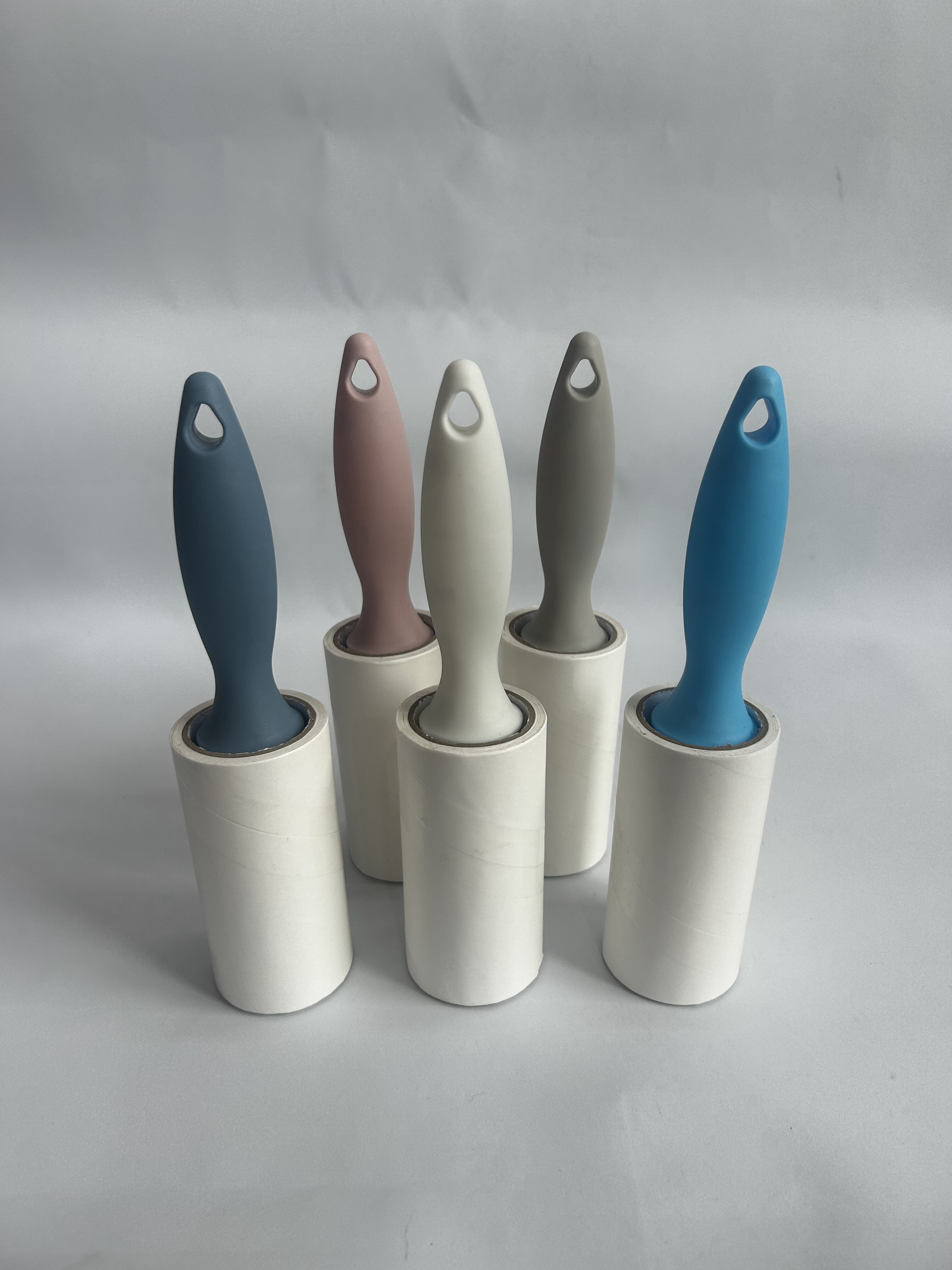
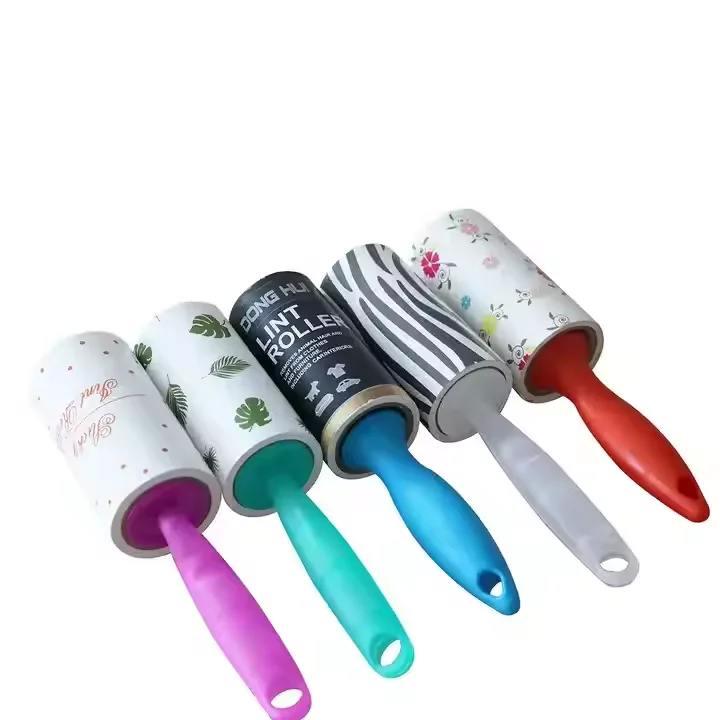
The conventional lint roller features a cylindrical roller covered with adhesive sheets that can be peeled away as they become filled with debris. This design has remained largely unchanged for decades because of its proven effectiveness. The adhesive surface is specifically formulated to capture pet hair, dust, and other particles without leaving residue on fabric surfaces. Most lint roller models include a comfortable handle that provides adequate grip and control during use.
Modern lint roller variations include ergonomic handles, larger roller surfaces, and improved adhesive formulations. Some models feature telescoping handles for reaching high surfaces or areas that are difficult to access. The adhesive sheets are designed to maintain their stickiness throughout the rolling process, ensuring consistent performance from start to finish. Quality lint roller products typically include multiple replacement rolls, making them a practical long-term solution for pet hair removal.
Advanced Lint Roller Features
Contemporary lint roller designs incorporate several innovative features that enhance their effectiveness for pet hair removal. Some models include extra-wide roller heads that cover more surface area with each pass, reducing the time required for thorough cleaning. Others feature specially formulated adhesive that maintains its grip even when exposed to moisture or humidity, which is particularly beneficial in homes with multiple pets.
Professional-grade lint roller options offer enhanced durability and performance characteristics. These models often feature reinforced construction that withstands frequent use without deterioration. The lint roller systems designed for heavy-duty applications typically include ergonomic features that reduce hand fatigue during extended cleaning sessions, making them ideal for homes with multiple pets or large areas requiring regular maintenance.
Tape-Based Pet Hair Removal Methods
Packaging Tape Techniques
Common household packaging tape represents one of the most accessible alternatives to commercial lint roller products. This method involves wrapping tape around your hand with the adhesive side facing outward, then patting or rolling it across surfaces to collect pet hair. While this approach can be effective for small areas or emergency situations, it requires more manual dexterity and time compared to using a dedicated lint roller tool.
The effectiveness of packaging tape varies significantly depending on the tape quality and the type of pet hair being removed. Clear packing tape generally provides better adhesion than masking tape or other specialty tapes. However, this method can become cumbersome when dealing with large surfaces or areas with dense pet hair accumulation. The tape must be frequently replaced as it becomes saturated with hair and debris, which can make the process inefficient for comprehensive cleaning tasks.
Specialized Tape Products
Some manufacturers produce tape products specifically designed for pet hair removal that attempt to bridge the gap between traditional tape and lint roller functionality. These products often feature enhanced adhesive properties and may include ergonomic dispensers that facilitate easier application. However, they typically lack the structured roller mechanism that makes lint roller products so efficient for covering large areas quickly.
Specialized pet hair removal tapes may offer stronger adhesion than standard packaging tape, but they generally come at a higher cost per use. The convenience factor remains limited compared to lint roller systems, as users must still manually apply and remove the tape repeatedly. This manual process can be time-consuming and may result in inconsistent coverage, particularly on textured surfaces where pet hair tends to become deeply embedded.
Effectiveness Comparison for Different Surfaces
Clothing and Fabric Performance
When it comes to removing pet hair from clothing, the lint roller demonstrates superior performance due to its consistent pressure distribution and ease of use. The rolling motion allows for smooth, even coverage across fabric surfaces without the risk of pulling or damaging delicate materials. This makes lint roller tools particularly effective on business attire, formal wear, and other garments where maintaining fabric integrity is crucial.
Tape-based methods can be effective on clothing but require more careful application to avoid stretching or damaging fabrics. The patting motion typically used with tape may not provide sufficient pressure to remove deeply embedded pet hair from textured fabrics. Additionally, the adhesive on some tapes may be too aggressive for delicate materials, potentially causing damage or leaving residue that requires additional cleaning.
Furniture and Upholstery Applications
Furniture cleaning presents unique challenges that favor lint roller usage over tape alternatives. The ergonomic design of lint roller handles allows for comfortable cleaning of large upholstered surfaces without causing hand fatigue. The consistent adhesive surface ensures thorough hair removal from various fabric textures commonly found on furniture, from smooth leather to heavily textured fabrics.
Upholstery cleaning with tape requires significantly more effort and may not achieve the same level of thoroughness as lint roller methods. The manual application process makes it difficult to maintain consistent pressure across large surfaces, potentially leaving areas inadequately cleaned. Furthermore, the time required to cover an entire sofa or chair with tape-based methods often exceeds what most people are willing to invest in routine cleaning tasks.
Cost Analysis and Long-Term Value
Initial Investment Considerations
The upfront cost of a quality lint roller system typically exceeds the initial expense of purchasing household tape for pet hair removal. However, this initial investment includes not only the roller handle but also multiple adhesive sheets that provide immediate value. When calculating cost-effectiveness, it's important to consider the number of uses provided by the initial purchase and the convenience factor that reduces cleaning time.
Budget-conscious consumers might initially gravitate toward tape-based solutions due to their lower upfront cost. However, the efficiency difference becomes apparent quickly, as tape methods often require more material to achieve the same cleaning results. The time investment required for tape-based cleaning can also be viewed as an additional cost factor, particularly for busy households with multiple pets.
Ongoing Operational Costs
Long-term cost analysis reveals that lint roller refills are often more economical than purchasing equivalent amounts of tape for regular pet hair removal. Lint roller sheets are specifically designed for this purpose, maximizing their effectiveness per sheet and reducing overall consumption. The precision engineering of lint roller adhesive ensures optimal performance without waste, making each sheet go further than improvised tape solutions.
Bulk purchasing options for lint roller refills can significantly reduce per-use costs, making them competitive with or superior to tape alternatives in terms of ongoing expenses. Professional cleaning services and pet grooming facilities typically choose lint roller systems specifically because of their superior cost-effectiveness when used regularly. The durability of lint roller handles also contributes to long-term value, as a single handle can last for years with proper care.
Convenience and User Experience Factors
Ease of Use and Ergonomics
The user experience strongly favors lint roller systems due to their intuitive design and ergonomic advantages. The simple rolling motion feels natural and requires minimal learning curve, making lint roller tools accessible to users of all ages and physical capabilities. The handle design distributes pressure evenly, reducing strain on hands and wrists during extended cleaning sessions.
Tape-based methods require more complex hand positioning and repeated motions that can lead to fatigue and discomfort. The need to constantly adjust tape position and replace saturated sections interrupts the cleaning flow and reduces overall efficiency. These factors make tape methods less suitable for comprehensive cleaning tasks or regular maintenance routines in homes with significant pet hair challenges.
Storage and Portability
Modern lint roller designs prioritize portability and convenient storage, with many models featuring compact dimensions that fit easily in purses, car glove compartments, or desk drawers. The self-contained nature of lint roller systems eliminates the need for additional supplies during use, making them ideal for travel or emergency cleaning situations. Pocket-sized versions provide the same functionality as full-sized models while offering maximum portability.
Tape-based solutions require carrying separate rolls of tape and may necessitate additional tools like scissors for proper application. This multi-component approach reduces portability and increases the likelihood of missing essential supplies when cleaning is needed away from home. The bulk associated with carrying adequate tape supplies for thorough cleaning often exceeds the space requirements of compact lint roller alternatives.
Environmental Impact and Sustainability
Waste Generation Comparison
Environmental considerations increasingly influence consumer choices, making waste generation an important factor in the lint roller versus tape debate. Lint roller sheets are typically designed with optimal thickness and adhesive coverage to minimize material waste while maximizing effectiveness. The precision manufacturing of lint roller products often results in less overall waste per cleaning session compared to tape alternatives.
Tape-based methods may generate more waste due to less efficient adhesive utilization and the tendency to use excess material to compensate for reduced effectiveness. The irregular application patterns typical of tape methods can result in areas of unused adhesive surface, representing material waste. Additionally, the packaging associated with household tape products often includes more non-recyclable components than lint roller packaging.
Recyclability and Disposal Options
Many lint roller manufacturers are developing more environmentally conscious products that incorporate recyclable materials and sustainable production processes. Some companies offer take-back programs for used lint roller handles, extending their lifecycle through refurbishment or proper recycling. The concentrated nature of lint roller waste makes disposal more manageable and potentially less environmentally impactful than dispersed tape waste.
Tape products vary widely in their environmental impact depending on their composition and adhesive formulation. Some specialty tapes may contain components that complicate recycling or disposal processes. The diverse range of tape products available makes it difficult to establish consistent environmental guidelines, whereas lint roller products typically follow more standardized environmental practices within the cleaning product industry.
FAQ
How often should I replace lint roller sheets during a cleaning session
The frequency of lint roller sheet replacement depends on the amount of pet hair being removed and the surface being cleaned. Generally, you should replace a sheet when it becomes visibly saturated with hair and debris, or when you notice decreased pickup effectiveness. For heavily shed areas, you might need to replace sheets every few passes, while lightly affected surfaces may require only one sheet per cleaning session. High-quality lint roller sheets maintain their adhesiveness longer, reducing replacement frequency.
Can tape damage delicate fabrics compared to lint rollers
Tape can potentially cause more damage to delicate fabrics than lint rollers due to inconsistent adhesive strength and application pressure. Lint rollers are specifically designed with fabric-safe adhesive that provides effective hair removal without pulling threads or leaving residue. When using tape on delicate materials, test it on an inconspicuous area first and use gentle patting motions rather than dragging or pulling. For expensive or delicate garments, lint rollers offer greater safety and predictability.
Which method works better on pet hair embedded in carpet
For carpet applications, lint rollers generally provide superior results due to their ability to maintain consistent pressure and coverage across textured surfaces. The rolling motion helps work the adhesive surface into carpet fibers, capturing embedded pet hair more effectively than tape methods. However, for deeply embedded hair in high-pile carpets, you may need multiple passes with fresh lint roller sheets. Tape methods often struggle with carpet textures and may not provide sufficient pressure to extract embedded hair.
Are there any surfaces where tape works better than lint rollers
Tape methods may be preferable for very small, detailed areas where the size of a lint roller makes precise application difficult, such as inside car cup holders or small crevices. Tape can also be useful for one-time emergency situations when a lint roller isn't available. However, these situations are relatively rare, and the overall versatility and effectiveness of lint rollers make them the better choice for most pet hair removal applications. For regular maintenance and comprehensive cleaning, lint rollers consistently outperform tape alternatives.