 EN
EN

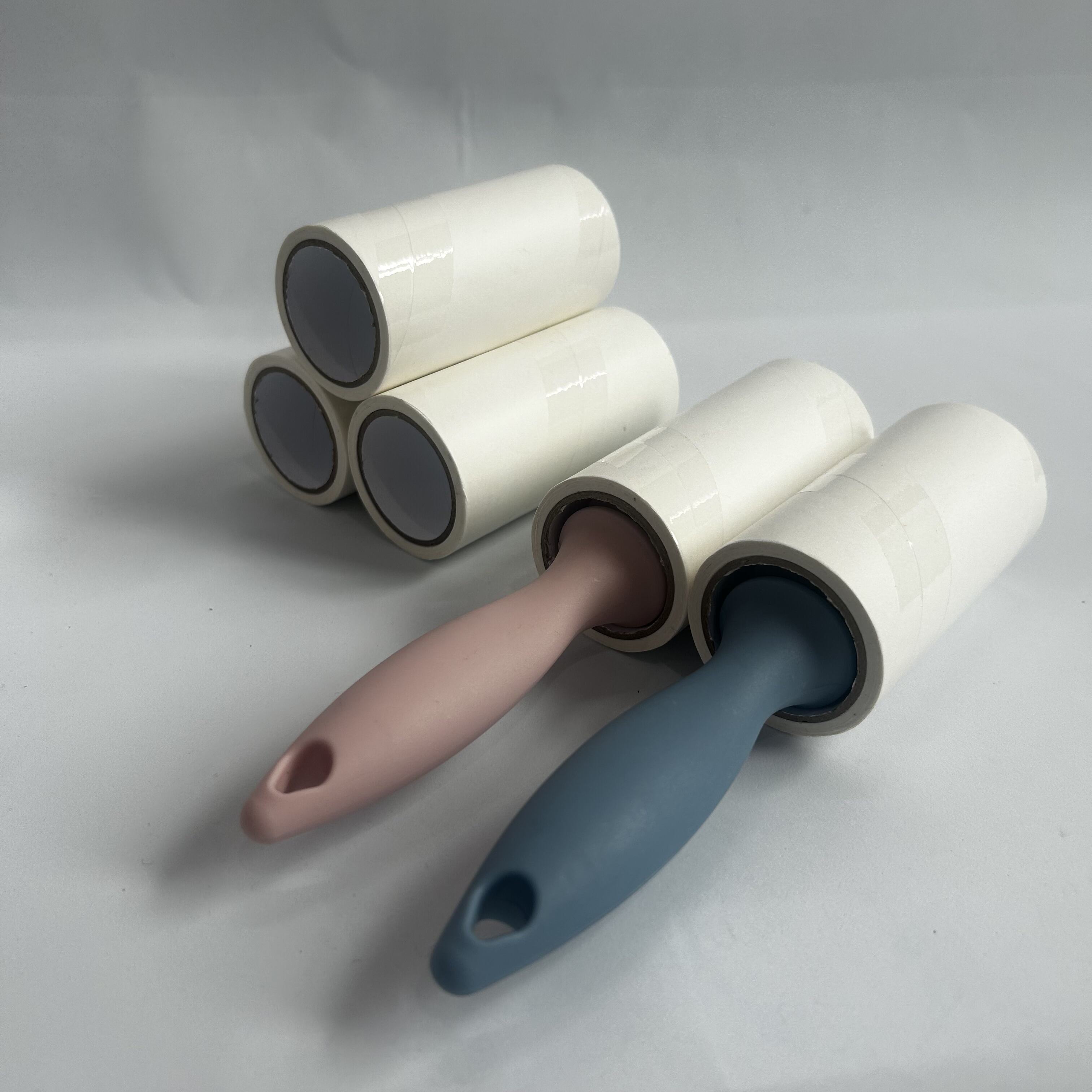
Pet owners face a constant battle against stubborn hair clinging to clothing, furniture, and carpets. Two popular tools dominate this cleaning arena: the traditional lint brush and the modern sticky roller. Understanding the fundamental differences between these cleaning implements can help you make an informed decision about which solution best addresses your specific pet hair removal needs.
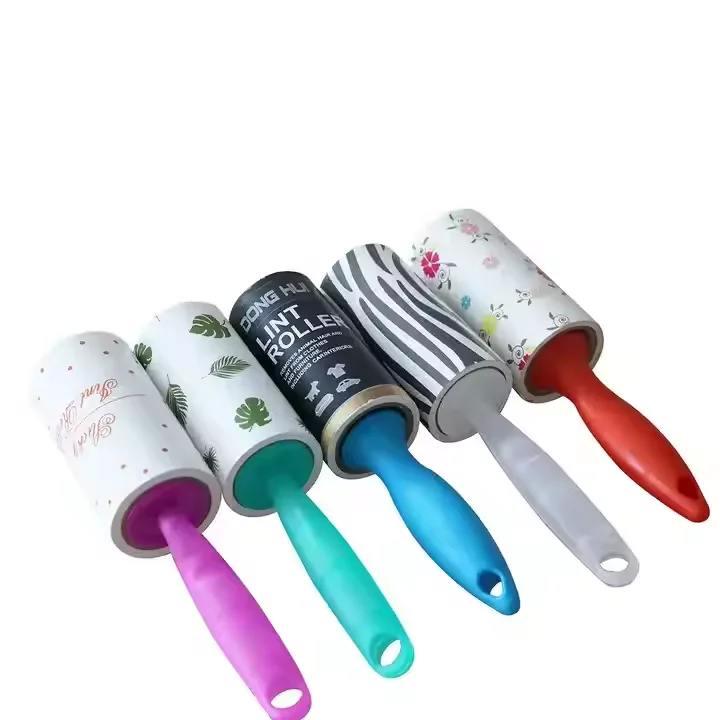
Pet hair removal has evolved significantly over the past decades, with manufacturers developing increasingly sophisticated solutions to tackle this universal household challenge. The sticky roller represents a breakthrough in adhesive technology, offering superior grabbing power compared to traditional fabric-based alternatives. Meanwhile, lint brushes continue to serve households through their reusable design and mechanical hair-lifting action.
The effectiveness of each tool largely depends on the specific cleaning scenario, hair type, and surface material involved. Professional cleaners and pet grooming specialists often maintain both options in their arsenal, selecting the appropriate tool based on the task at hand. This comprehensive analysis examines the performance characteristics, cost considerations, and practical applications of both cleaning solutions.
Performance Comparison Analysis
Hair Removal Efficiency
The sticky roller demonstrates superior performance when dealing with fine pet hair embedded deeply in fabric fibers. Its adhesive surface creates strong bonds with individual hair strands, lifting them completely away from the material without leaving residual fragments. This thorough extraction capability makes the sticky roller particularly effective for removing cat hair, which tends to be finer and more challenging to eliminate through mechanical methods alone.
Lint brushes rely on directional bristle movement to gather hair through mechanical action. While effective for surface-level hair removal, they may struggle with deeply embedded strands or hair that has become electrostatically charged to synthetic fabrics. The brushing motion can sometimes redistribute hair rather than completely removing it, requiring multiple passes across the same area.
Testing conducted across various fabric types reveals that sticky roller performance remains consistent regardless of material composition. Cotton, polyester, wool, and blended fabrics all respond well to adhesive-based removal. Conversely, lint brush effectiveness varies significantly depending on fabric pile height, fiber density, and surface texture.
Speed and Convenience Factors
Time efficiency strongly favors the sticky roller in most cleaning scenarios. Single-pass hair removal eliminates the need for repetitive brushing motions, allowing users to clean large surface areas quickly. The adhesive sheets capture hair instantly upon contact, reducing cleaning time by approximately sixty percent compared to traditional brushing methods.
Lint brushes require consistent directional strokes and periodic cleaning to maintain effectiveness. Hair accumulation on brush bristles necessitates frequent removal, interrupting the cleaning process and extending overall completion time. However, lint brushes offer the advantage of immediate readiness without requiring sheet replacement or adhesive preparation.
Portability considerations slightly favor lint brushes due to their compact design and absence of consumable components. The sticky roller requires carrying replacement sheets, though modern designs often include convenient storage compartments within the handle assembly.
Cost Analysis and Value Assessment
Initial Investment Requirements
Purchase price comparisons reveal significant differences between these cleaning tools. Quality lint brushes typically cost between fifteen and thirty dollars, representing a one-time investment for years of service life. Premium models featuring ergonomic handles and specialized bristle configurations may command higher prices but offer enhanced durability and performance.
The sticky roller involves both initial tool cost and ongoing consumable expenses. Handle mechanisms range from five to twenty dollars, while replacement adhesive sheets represent the primary ongoing expense. Monthly usage costs vary depending on cleaning frequency and covered surface area, typically ranging from eight to fifteen dollars for average household use.
Long-term cost calculations must consider replacement intervals and performance degradation over time. Lint brush bristles eventually wear down or become contaminated, necessitating complete tool replacement every two to three years. The sticky roller handle remains functional indefinitely, with only adhesive sheets requiring regular replenishment.
Return on Investment Considerations
Professional cleaning services often justify sticky roller costs through improved efficiency and client satisfaction rates. The superior hair removal capability reduces callback visits and enhances service quality, directly impacting revenue generation. Commercial establishments benefit from the professional appearance and thorough cleaning results achieved with adhesive-based systems.
Household users must weigh convenience benefits against ongoing expenses when evaluating cost effectiveness. Families with multiple pets or extensive carpeted areas may find the sticky roller investment worthwhile despite higher operating costs. Single-pet households with minimal hair accumulation might prefer the economical lint brush approach.
Time value calculations significantly influence the cost equation for busy professionals and working families. The time savings achieved through sticky roller use often justifies the additional expense when calculated against hourly wage rates or opportunity costs associated with extended cleaning sessions.
Surface Compatibility and Application Range
Fabric and Material Suitability
Delicate fabrics require careful consideration when selecting hair removal tools. The sticky roller performs excellently on most textile surfaces without causing damage or fiber distortion. Silk, cashmere, and other luxury materials respond well to gentle adhesive contact, preserving fabric integrity while achieving thorough hair removal.
Lint brushes present potential risks when used on loosely woven or delicate materials. Aggressive brushing can snag threads, create pulls, or disturb fabric surface texture. However, gentle brushing techniques can safely address hair accumulation on most standard clothing items and household textiles.
Upholstery cleaning applications strongly favor the sticky roller approach. Furniture fabrics often trap hair within deep pile structures that mechanical brushing cannot effectively reach. The adhesive action penetrates fabric layers to extract embedded hair without disturbing cushion stuffing or frame components.
Specialized Application Scenarios
Automotive interior cleaning presents unique challenges that highlight tool selection importance. Car seats, dashboard surfaces, and carpet areas accumulate pet hair during transportation activities. The sticky roller excels in confined spaces where brushing motions are restricted, while its adhesive sheets conform to curved surfaces and tight crevices.
Professional grooming facilities utilize both tools for different applications within their service offerings. Sticky roller technology dominates post-grooming cleanup procedures, removing loose hair from examination tables and waiting areas. Lint brushes serve specific purposes during grooming sessions, helping stylists identify problem areas and prepare coats for detailed work.
Commercial cleaning contracts often specify sticky roller use for client-facing areas due to superior appearance results. Office buildings, retail spaces, and hospitality venues benefit from the thorough hair removal capability that maintains professional standards and customer satisfaction levels.
Environmental Impact and Sustainability
Waste Generation Considerations
Environmental consciousness increasingly influences consumer purchasing decisions, making sustainability factors relevant to cleaning tool selection. Lint brushes generate minimal waste throughout their service life, requiring only occasional bristle cleaning and eventual disposal after years of use. The reusable design aligns with reducing consumption principles and minimizes environmental impact.
Sticky roller consumption creates ongoing waste through disposable adhesive sheets. Each cleaning session consumes multiple sheets that end up in landfill systems, contributing to household waste streams. However, manufacturers have begun developing biodegradable adhesive formulations and recyclable backing materials to address environmental concerns.
Carbon footprint analysis reveals transportation and manufacturing differences between these products. Lint brushes require single shipping events and minimal packaging materials. The sticky roller system involves regular consumable shipments that increase transportation emissions and packaging waste over the product lifecycle.
Sustainable Usage Practices
Responsible sticky roller use involves maximizing sheet utilization before disposal. Users can extend sheet life by rotating adhesive surfaces and focusing on heavily soiled areas first. Proper storage prevents premature adhesive degradation, reducing replacement frequency and associated waste generation.
Lint brush longevity depends on proper maintenance practices including regular cleaning and appropriate storage conditions. Bristle preservation techniques can extend tool life significantly, reducing replacement frequency and associated manufacturing impacts. Some models feature replaceable heads that minimize waste when bristles become worn.
Hybrid approaches combining both tools can optimize environmental outcomes while maintaining cleaning effectiveness. Strategic tool selection based on specific cleaning scenarios minimizes sticky roller sheet consumption while leveraging lint brush capabilities where appropriate.
User Experience and Practical Considerations
Ease of Use and Learning Curve
New user adaptation varies significantly between these cleaning approaches. The sticky roller requires minimal technique development, with intuitive operation that produces immediate results. Users simply roll the adhesive surface across hair-covered areas, observing visible hair removal with each pass. This simplicity appeals to individuals seeking straightforward cleaning solutions.
Lint brush mastery involves developing proper stroke techniques and understanding optimal pressure applications. Effective use requires consistent directional movements and periodic bristle cleaning to maintain performance levels. While the learning curve is modest, some users struggle with achieving uniform hair removal across large surface areas.
Physical demands differ considerably between these tools. The sticky roller requires minimal force application, reducing user fatigue during extended cleaning sessions. Lint brushes demand more physical effort through repeated brushing motions, potentially causing arm strain during intensive cleaning projects.
Storage and Maintenance Requirements
Sticky roller storage involves protecting adhesive surfaces from contamination while maintaining easy access for regular use. Many models include protective covers or storage compartments that preserve sheet integrity between cleaning sessions. Proper storage prevents dust accumulation and premature adhesive failure.
Lint brush maintenance requires regular bristle cleaning to remove accumulated hair and debris. Proper cleaning techniques involve gentle combing or washing to restore bristle effectiveness without damaging the brush structure. Neglected maintenance significantly impacts performance and may necessitate premature replacement.
Handle durability considerations affect long-term user satisfaction with both tools. Quality sticky roller handles feature robust construction that withstands repeated use and sheet replacement procedures. Lint brush handles must endure continuous pressure applications and directional forces without loosening or breaking.
Professional Recommendations and Best Practices
Industry Expert Insights
Professional cleaning specialists consistently recommend maintaining both tools for optimal versatility across different cleaning scenarios. The sticky roller serves as the primary tool for thorough hair removal, while lint brushes provide backup capability and specialized applications. This dual-tool approach maximizes cleaning effectiveness while providing operational flexibility.
Pet grooming professionals emphasize the importance of tool selection based on hair type and density. Long-haired breeds benefit most from sticky roller technology due to its superior extraction capability. Short-haired pets may respond adequately to lint brush treatment, making tool selection dependent on specific breed characteristics.
Commercial cleaning operations prioritize sticky roller systems for client-facing environments where appearance standards are critical. The thorough hair removal capability ensures professional results that meet strict cleanliness requirements. Cost considerations become secondary when client satisfaction and contract retention are at stake.
Optimal Usage Techniques
Effective sticky roller technique involves consistent pressure application and overlapping passes to ensure complete coverage. Users should work systematically across surfaces, avoiding excessive force that might damage delicate fabrics. Sheet replacement indicators help maintain optimal adhesive performance throughout cleaning sessions.
Lint brush proficiency requires understanding directional hair patterns and adjusting stroke techniques accordingly. Working against natural hair lay improves removal effectiveness, while gentle pressure prevents fabric damage. Regular bristle inspection ensures optimal performance and identifies when replacement becomes necessary.
Surface preparation enhances both tool effectiveness through preliminary debris removal and static electricity reduction. Light vacuuming or shaking removes loose particles that might interfere with hair removal processes. Anti-static treatments can improve adhesive contact and reduce hair re-deposition during cleaning.
FAQ
How often should I replace sticky roller sheets during cleaning?
Replace adhesive sheets when they no longer pick up hair effectively, typically after covering 15-20 square feet of surface area. Visual inspection reveals when sheets become saturated with hair and debris. Some users prefer replacing sheets proactively to maintain peak performance throughout cleaning sessions.
Can lint brushes damage delicate fabrics like silk or cashmere?
Gentle lint brush use rarely damages quality fabrics when proper technique is employed. Use light pressure and follow fabric grain direction to minimize risk of snags or pulls. Test on inconspicuous areas first, and consider sticky roller alternatives for extremely delicate materials where any mechanical action might cause damage.
Which tool works better for removing hair from car interiors?
Sticky roller technology excels in automotive applications due to confined spaces and curved surfaces that limit brushing motions. The adhesive sheets conform to seat contours and reach into crevices where hair typically accumulates. Lint brushes struggle with the varied angles and limited access common in vehicle interiors.
Are there any surfaces where lint brushes outperform sticky roller systems?
Lint brushes perform better on heavily textured surfaces where adhesive contact is limited, such as coarse wool sweaters or high-pile carpeting. They also excel for quick touch-ups on clothing items where using disposable sheets seems wasteful. Additionally, lint brushes work well on outdoor furniture where moisture might compromise adhesive effectiveness.