 EN
EN

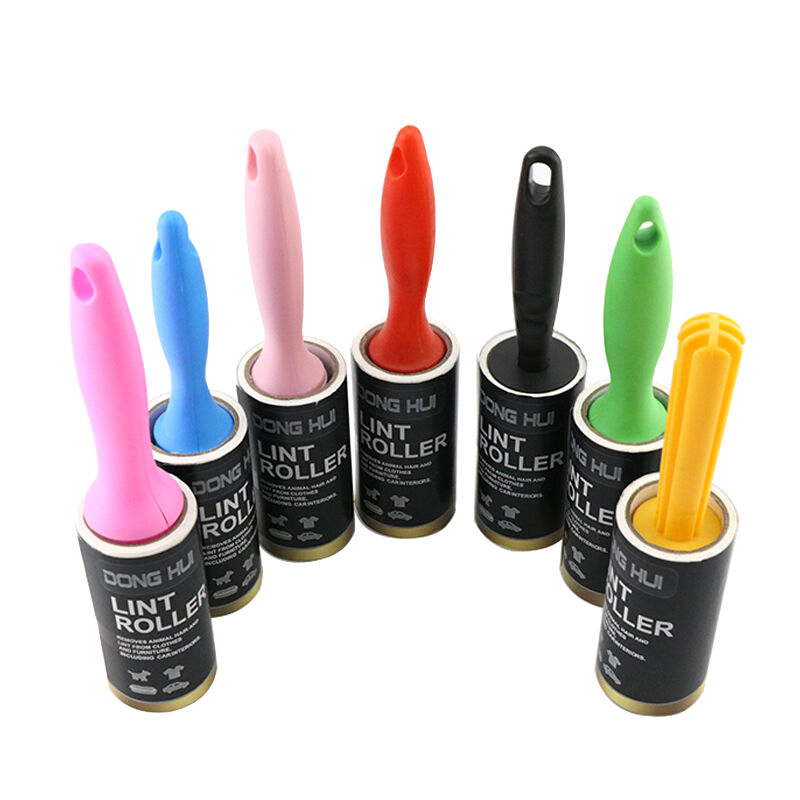
Achieving pristine, professional-looking clothing requires mastering the proper techniques and strategies for effective lint removal. A high-quality lint roller serves as an indispensable tool in maintaining impeccable garment appearance, yet many individuals fail to utilize this essential cleaning device to its maximum potential. Understanding the nuances of lint roller application, timing, and maintenance can dramatically transform your clothing care routine and ensure consistently polished results.
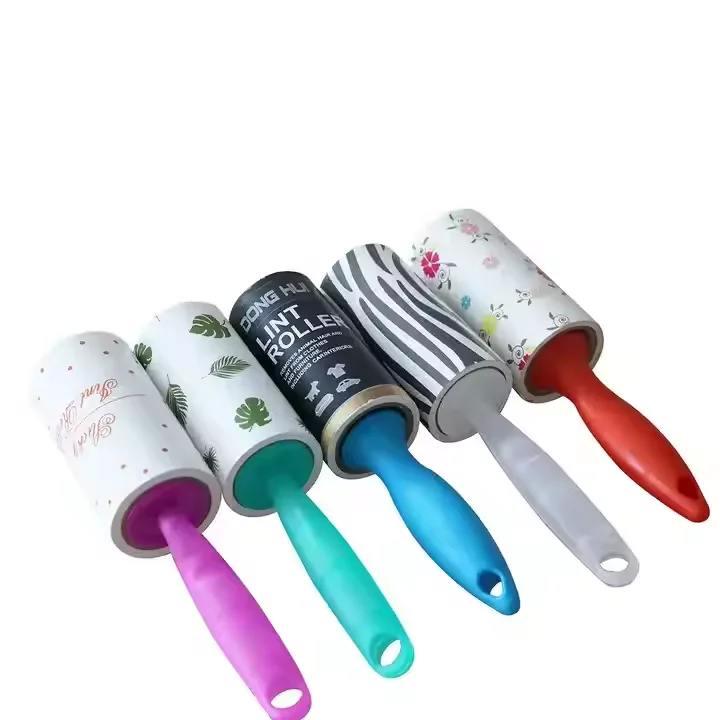
Professional appearance standards demand meticulous attention to detail, and lint-free clothing represents a fundamental component of executive presence and workplace credibility. Whether preparing for critical business meetings, client presentations, or formal events, implementing proven lint roller methodologies ensures your garments consistently project confidence and competence. These specialized techniques extend beyond basic rolling motions, encompassing strategic preparation, targeted application patterns, and post-treatment protocols that deliver superior results across various fabric types and garment styles.
Strategic Lint Roller Selection and Preparation
Understanding Adhesive Strength Variations
Professional lint roller effectiveness depends significantly on selecting appropriate adhesive strength levels for specific fabric requirements. Extra-strong adhesive sheets excel at removing stubborn pet hair, embedded lint, and persistent debris from heavy fabrics like wool coats, thick sweaters, and upholstered furniture surfaces. Medium-strength options provide optimal balance for everyday business attire, effectively capturing surface lint without damaging delicate fibers or leaving residual adhesive traces on fine garments.
Light-adhesive lint roller sheets serve specialized purposes for sensitive materials including silk blouses, cashmere accessories, and vintage textiles requiring gentle treatment. Understanding these distinctions prevents fabric damage while maximizing debris removal efficiency. Professional users often maintain multiple lint roller varieties to address diverse wardrobe requirements and specialized cleaning scenarios throughout their daily routines.
Pre-Treatment Assessment Protocols
Systematic garment evaluation before lint roller application identifies problem areas requiring focused attention and determines optimal treatment sequences. Inspect clothing under adequate lighting conditions to locate concentrated lint accumulation, pet hair clusters, and fabric pill formations that demand targeted intervention. Pay particular attention to friction-prone zones including lapel areas, pocket edges, sleeve cuffs, and trouser seams where debris typically congregates during normal wear.
Document recurring lint accumulation patterns across different garments to establish preventive maintenance schedules and identify underlying causes such as washing machine lint trap issues, fabric softener residue, or incompatible garment storage methods. This analytical approach transforms reactive lint removal into proactive clothing care management, reducing emergency cleaning requirements and extending garment lifespan through consistent maintenance protocols.
Advanced Application Techniques and Movement Patterns
Directional Rolling Methodologies
Professional lint roller technique requires understanding fabric grain directions and implementing systematic rolling patterns that maximize debris capture while minimizing fabric stress. Begin with long, steady strokes following the natural fabric grain direction, applying consistent downward pressure to ensure complete adhesive sheet contact with garment surfaces. Avoid rapid back-and-forth motions that can redistribute lint rather than removing it effectively.
For structured garments like suits and blazers, work methodically from top to bottom, addressing each panel section completely before progressing to adjacent areas. This systematic approach prevents missed spots and ensures uniform lint removal across complex garment geometries. Pay special attention to seam intersections, pocket flaps, and collar areas where traditional rolling motions may require supplementation with targeted dabbing techniques using folded adhesive sheets.
Pressure Control and Sheet Management
Optimal lint roller pressure varies significantly across different fabric weights and textures, requiring dynamic adjustment throughout the cleaning process. Light fabrics demand gentle pressure to prevent fabric distortion and adhesive transfer, while heavy materials benefit from increased force to penetrate surface texture and extract embedded debris. Develop tactile sensitivity to fabric response and adjust rolling pressure accordingly.
Efficient adhesive sheet utilization maximizes lint roller value and ensures consistent cleaning performance. Replace sheets when adhesive effectiveness diminishes rather than continuing with compromised removal capability. Professional users often fold used portions of partially spent sheets to expose fresh adhesive areas, extending sheet utility while maintaining peak cleaning performance throughout extended grooming sessions.
Timing Optimization and Routine Integration
Pre-Event Preparation Schedules
Strategic timing of lint roller application significantly impacts final garment appearance and professional presentation quality. Implement lint roller treatments immediately before leaving home or office to minimize post-cleaning lint accumulation from environmental sources. This final-step approach ensures optimal clothing appearance during critical moments when professional image matters most.
Develop standardized preparation timelines for different event types, allocating sufficient time for thorough lint roller treatment without rushing through critical cleaning steps. Business presentations may require quick touch-ups focusing on visible areas, while formal events demand comprehensive full-garment treatment including typically hidden areas that may become exposed during social interactions.
Environmental Timing Considerations
Seasonal and environmental factors dramatically influence lint roller effectiveness and application frequency requirements. Dry winter conditions increase static electricity buildup, causing enhanced lint attraction and requiring more frequent lint roller interventions. Humid summer environments may reduce static-related lint accumulation but introduce different challenges including increased fabric flexibility that affects rolling technique effectiveness.
Indoor heating systems, air conditioning units, and carpet flooring contribute to ambient lint levels that impact clothing cleanliness maintenance requirements. Professional environments with heavy foot traffic, fabric furniture, and paper-handling activities create elevated lint exposure requiring adjusted cleaning frequencies and enhanced lint roller technique precision to maintain acceptable appearance standards.
Specialized Applications and Problem-Solving Strategies
Challenging Fabric Treatment Approaches
Certain fabric types present unique challenges requiring modified lint roller techniques and specialized approaches for effective cleaning. Textured fabrics like corduroy, tweed, and bouclé demand careful attention to surface irregularities that can trap lint in protected crevices beyond standard rolling reach. Use controlled dabbing motions with folded adhesive sheets to access recessed areas and extract embedded debris.
Delicate fabrics including silk, chiffon, and lace require extremely gentle lint roller pressure and potentially alternative cleaning methods for severe lint problems. Test lint roller adhesive strength on inconspicuous garment areas before proceeding with full treatment to prevent fabric damage or adhesive transfer that could compromise garment integrity or appearance quality.
Emergency Cleaning Protocols
Develop rapid-response lint roller protocols for unexpected cleaning emergencies when time constraints limit comprehensive garment treatment options. Focus initial efforts on highly visible areas including chest panels, lapels, and sleeve fronts that receive primary visual attention during professional interactions. Systematically progress through secondary visibility zones as time permits.
Maintain compact travel lint roller units in briefcases, desk drawers, and vehicle glove compartments to address unexpected lint accumulation throughout daily activities. These emergency backup systems prevent minor lint issues from escalating into significant professional appearance problems during important meetings or client interactions when image quality directly impacts business outcomes.
Maintenance and Performance Optimization
Equipment Care and Storage
Proper lint roller maintenance extends device lifespan and ensures consistent cleaning performance across extended usage periods. Store lint roller units in clean, dry environments to prevent adhesive sheet contamination and premature adhesive degradation. Avoid exposure to extreme temperatures that can alter adhesive properties and reduce lint removal effectiveness.
Regular cleaning of lint roller handles and mechanisms prevents accumulated debris from interfering with smooth operation and sheet advancement systems. Inspect adhesive sheet alignment periodically to ensure proper coverage and prevent gaps that could compromise cleaning thoroughness during critical grooming sessions.
Performance Monitoring and Quality Control
Establish objective criteria for evaluating lint roller cleaning effectiveness and identifying when technique modifications or equipment upgrades become necessary. Document cleaning results across different garment types and environmental conditions to optimize application methods and timing strategies for specific professional requirements.
Monitor lint roller consumption rates and adhesive sheet replacement frequencies to identify efficiency improvement opportunities and budget planning requirements. Professional users often track cleaning session durations and coverage areas to develop standardized protocols that ensure consistent results while minimizing time investment and material costs.
FAQ
How often should I replace lint roller sheets during a single cleaning session?
Replace lint roller sheets when you notice reduced pickup effectiveness or when the adhesive surface becomes visibly saturated with debris. Typically, one fresh sheet can handle 2-3 garments of average lint accumulation, but heavily soiled items may require sheet replacement after treating a single piece. Monitor adhesive performance rather than following rigid replacement schedules, as environmental conditions and fabric types significantly influence sheet longevity.
Can lint roller technique damage delicate fabrics or leave residue?
Proper lint roller technique with appropriate adhesive strength selection rarely damages quality fabrics when applied correctly. Use light pressure and test on inconspicuous areas first for delicate materials like silk or vintage textiles. Avoid excessive pressure or prolonged contact that could transfer adhesive residue. For extremely sensitive fabrics, consider alternative cleaning methods or professional fabric care services rather than risking damage with aggressive lint roller application.
What's the most effective way to remove pet hair versus regular lint using a lint roller?
Pet hair removal requires stronger adhesive sheets and modified rolling techniques compared to regular lint cleaning. Use firm, slow strokes with extra-sticky lint roller sheets, working systematically across fabric surfaces. For embedded pet hair, try rolling in multiple directions and use dabbing motions with folded sheets to access hair trapped in fabric weaves. Consider specialized pet hair removal tools for severe accumulation that overwhelms standard lint roller capabilities.
Should I use lint roller on clothes while wearing them or only when hanging?
Both approaches have advantages depending on the situation. Treating hanging garments allows better fabric positioning and access to all areas, making it ideal for comprehensive cleaning. Quick touch-ups while wearing clothes work well for emergency situations and final checks before important meetings, but limit access to back areas and may create uneven pressure application. For best results, combine both methods: thorough treatment while hanging, followed by final touch-ups while wearing.
Table of Contents
- Strategic Lint Roller Selection and Preparation
- Advanced Application Techniques and Movement Patterns
- Timing Optimization and Routine Integration
- Specialized Applications and Problem-Solving Strategies
- Maintenance and Performance Optimization
-
FAQ
- How often should I replace lint roller sheets during a single cleaning session?
- Can lint roller technique damage delicate fabrics or leave residue?
- What's the most effective way to remove pet hair versus regular lint using a lint roller?
- Should I use lint roller on clothes while wearing them or only when hanging?