 EN
EN

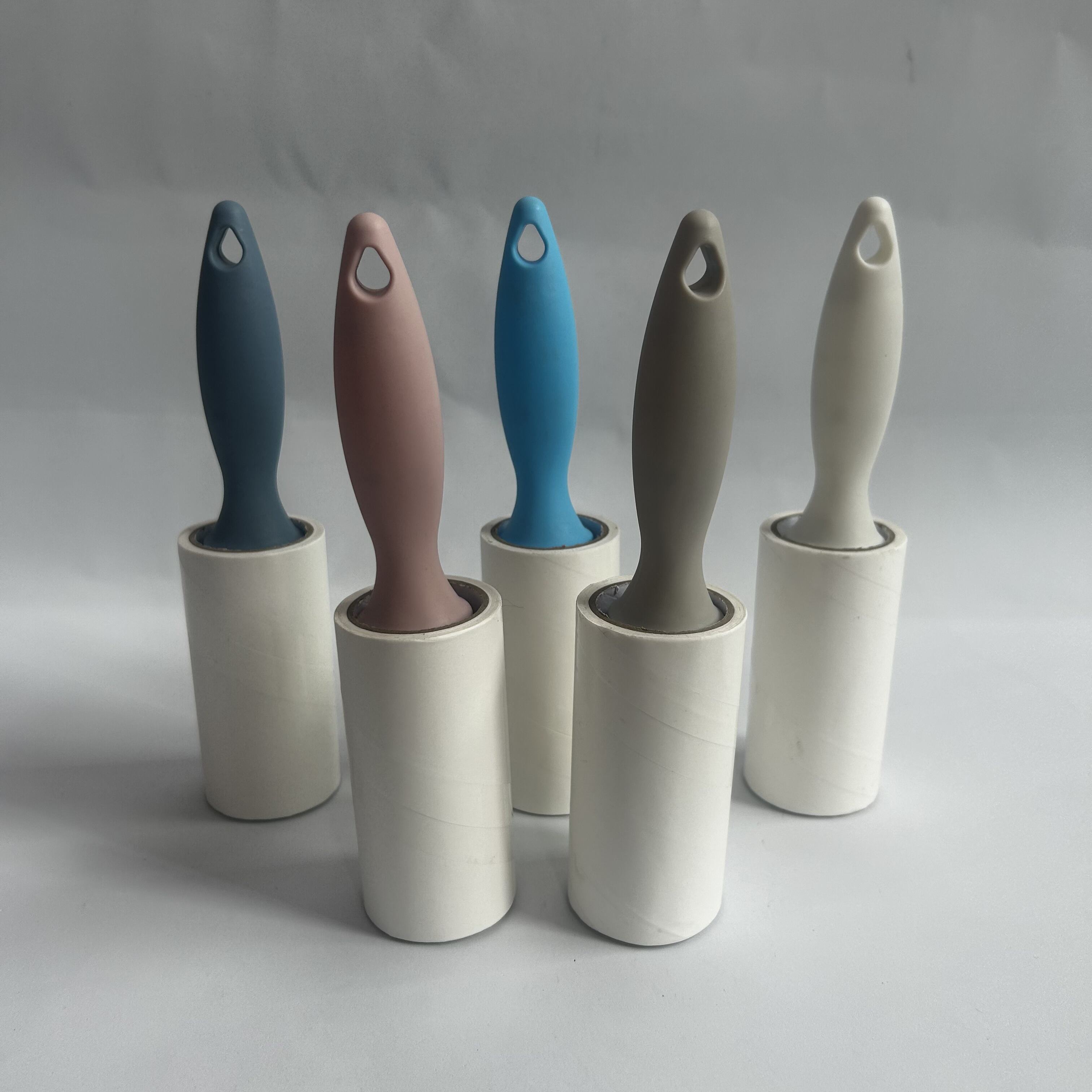
Proper maintenance of your sticky roller is essential for maximizing its lifespan and ensuring consistent performance in removing lint, dust, and debris from various surfaces. Many users unknowingly shorten their sticky roller's effectiveness by neglecting simple care practices that can dramatically extend its useful life. Understanding how to maintain your sticky roller properly not only saves money but also ensures you always have a reliable cleaning tool when needed.
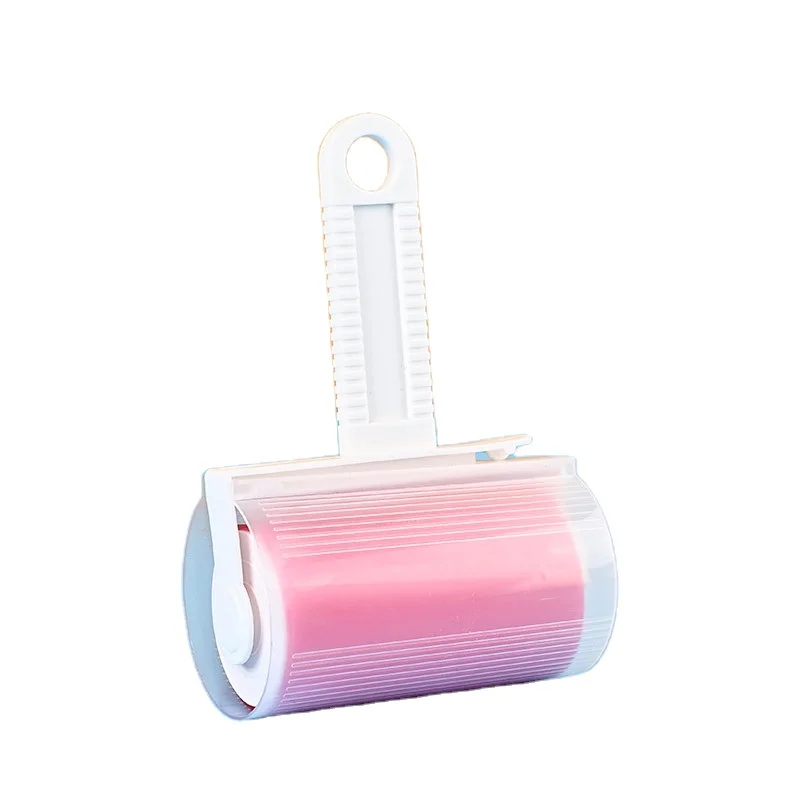
The key to extending your sticky roller's life lies in implementing systematic maintenance routines that preserve the adhesive surface while preventing contamination and damage. Whether you use a traditional disposable sticky roller or a washable silicone version, following specific care guidelines will significantly improve its longevity and maintain optimal cleaning performance across multiple applications.
Understanding Sticky Roller Components and Wear Patterns
Adhesive Surface Composition
The adhesive surface of a sticky roller determines its cleaning effectiveness and durability. Traditional sticky rollers use pressure-sensitive adhesives that gradually lose their tackiness as they collect debris and exposure to environmental factors. Understanding this adhesive degradation process helps you implement maintenance strategies that slow down wear and preserve stickiness longer.
Different sticky roller types have varying adhesive formulations designed for specific applications. Silicone-based sticky rollers offer washable properties that allow for restoration of tackiness, while traditional paper-based versions rely on peelable layers to expose fresh adhesive surfaces. Recognizing your sticky roller type enables you to apply appropriate maintenance techniques.
Common Wear Factors
Several environmental and usage factors accelerate sticky roller deterioration. Temperature fluctuations can affect adhesive performance, with excessive heat causing adhesives to become too soft and cold temperatures making them brittle. Humidity levels also impact adhesive integrity, as moisture can compromise the bonding properties of the sticky surface.
Contamination from oils, cosmetics, and chemical residues significantly reduces sticky roller effectiveness. These substances create barriers between the adhesive and debris, preventing proper pickup while permanently degrading the adhesive surface. Understanding these contamination sources helps you avoid exposure and implement protective measures during storage and use.
Daily Care and Cleaning Practices
Proper Usage Techniques
Using your sticky roller correctly prevents unnecessary wear and maintains adhesive integrity. Apply consistent, moderate pressure when rolling across surfaces, avoiding excessive force that can damage the adhesive or backing material. Roll in straight, overlapping passes rather than circular motions to ensure even wear distribution across the sticky roller surface.
Rotate your sticky roller regularly during use to prevent concentrated wear in specific areas. This practice distributes debris pickup across the entire surface, preventing localized adhesive exhaustion that creates ineffective zones. For disposable sticky rollers, peel away used sheets promptly when they become saturated with debris to maintain optimal performance.
Post-Use Cleaning Protocols
Immediate cleaning after each use significantly extends sticky roller life. For washable sticky rollers, rinse with lukewarm water to remove surface debris and restore tackiness. Use gentle soap solutions for deeper cleaning, avoiding harsh detergents that can damage silicone surfaces or leave residues that compromise adhesive properties.
Allow your sticky roller to air dry completely before storage to prevent mold growth and adhesive degradation. Position the sticky roller on a clean surface with the adhesive side up during drying to prevent contamination. For traditional paper-based sticky rollers, remove any large debris particles that might puncture or tear subsequent layers during storage.
Storage and Environmental Protection
Optimal Storage Conditions
Proper storage conditions are crucial for maintaining sticky roller effectiveness over time. Store your sticky roller in a cool, dry environment away from direct sunlight, which can degrade adhesive properties and cause backing materials to become brittle. Ideal storage temperatures range between 60-75°F with relative humidity levels below 50%.
Use protective covers or containers to shield your sticky roller from dust, pet hair, and other airborne contaminants that can prematurely fill the adhesive surface. Many sticky roller manufacturers provide protective caps or sleeves that should be used consistently during storage periods. This protection prevents accidental adhesive contact with surfaces that could reduce effectiveness.
Contamination Prevention
Preventing contamination during storage and handling significantly extends sticky roller life. Keep your sticky roller away from areas where cooking oils, cosmetics, or cleaning chemicals might create airborne residues that settle on the adhesive surface. These substances create permanent contamination that cannot be removed through normal cleaning processes.
Handle your sticky roller by the handle or non-adhesive surfaces only to prevent transferring oils from your hands to the cleaning surface. Even small amounts of skin oils can create zones where the sticky roller loses its pickup ability. Establish designated storage areas where the sticky roller remains protected from household activities that generate contaminating particles.
Restoration and Rejuvenation Techniques
Washable Sticky Roller Restoration
Washable sticky rollers offer unique restoration opportunities that can significantly extend their useful life. Deep cleaning with specialized silicone cleaners removes embedded debris and restores surface tackiness. Use soft brushes to gently agitate the surface during cleaning, helping to dislodge particles trapped in the adhesive texture without damaging the underlying material.
For heavily contaminated washable sticky rollers, soaking in warm soapy water for 10-15 minutes before scrubbing can restore much of the original stickiness. Rinse thoroughly to remove all soap residues, which can interfere with adhesive properties. Some users report success with diluted alcohol solutions for removing stubborn contaminants, though this should be tested in inconspicuous areas first.
Traditional Sticky Roller Optimization
While traditional paper-based sticky rollers cannot be washed, several techniques can maximize their effectiveness and lifespan. Gentle brushing with a clean, dry brush can remove loose surface debris without damaging the adhesive, effectively refreshing the pickup surface for continued use. This technique works best on lightly used sheets that have not reached full saturation.
Strategic peeling of used sheets ensures maximum utilization of each layer. Rather than peeling entire sheets when only portions are saturated, some users carefully remove heavily used sections while preserving cleaner areas for continued use. This approach requires careful handling to prevent tearing but can significantly extend the life of each sticky roller refill.
Troubleshooting Common Issues
Reduced Stickiness Problems
When your sticky roller loses effectiveness, systematic diagnosis helps identify the underlying cause and appropriate solution. Surface contamination from oils or cosmetics requires different treatment than simple debris saturation. Test adhesive strength in different areas of the sticky roller to determine whether the problem is localized or general, guiding your restoration approach.
Temperature-related stickiness problems often resolve with environmental adjustment. If your sticky roller becomes too soft and picks up everything indiscriminately, cooling it in a refrigerator for 10-15 minutes can restore proper consistency. Conversely, sticky rollers that become too hard in cold conditions benefit from gradual warming to room temperature before use.
Physical Damage Prevention
Preventing physical damage to your sticky roller extends its functional life significantly. Avoid contact with sharp objects that can puncture or tear the adhesive surface, creating debris traps that reduce overall effectiveness. Store sticky rollers in protective cases or designated areas where they cannot be accidentally damaged by other tools or household items.
Handle mechanisms require regular inspection and maintenance to prevent functional failures. Loose or damaged handles can make sticky roller use inefficient and potentially dangerous. Tighten loose connections and replace damaged components promptly to maintain safe, effective operation throughout the sticky roller's intended lifespan.
FAQ
How often should I clean my washable sticky roller?
Clean your washable sticky roller after every 3-5 uses or when you notice reduced pickup effectiveness. Heavy-use applications may require cleaning after each session, while light cleaning tasks might allow longer intervals between deep cleaning. Regular cleaning prevents debris buildup that can permanently damage the adhesive surface.
Can I use household cleaners on my sticky roller?
Use only mild soap and water for washable sticky rollers, avoiding harsh detergents, bleach, or solvent-based cleaners that can damage silicone surfaces. For traditional sticky rollers, avoid any liquid cleaners that can compromise the paper backing or adhesive integrity. Always test any cleaning solution on a small, inconspicuous area first.
Why does my sticky roller leave residue on fabrics?
Residue problems typically indicate adhesive degradation from heat exposure, contamination, or age. This issue is more common with traditional sticky rollers that have exceeded their shelf life or been stored improperly. Switch to fresh sheets or replace the entire sticky roller if residue problems persist despite proper cleaning and storage.
How long should a sticky roller last with proper maintenance?
Washable sticky rollers can last 6-12 months with regular cleaning and proper storage, while traditional disposable versions typically provide 50-100 uses depending on debris load and maintenance practices. Proper care can extend these timeframes significantly, with some washable sticky rollers remaining effective for over a year in light-use applications.