 EN
EN

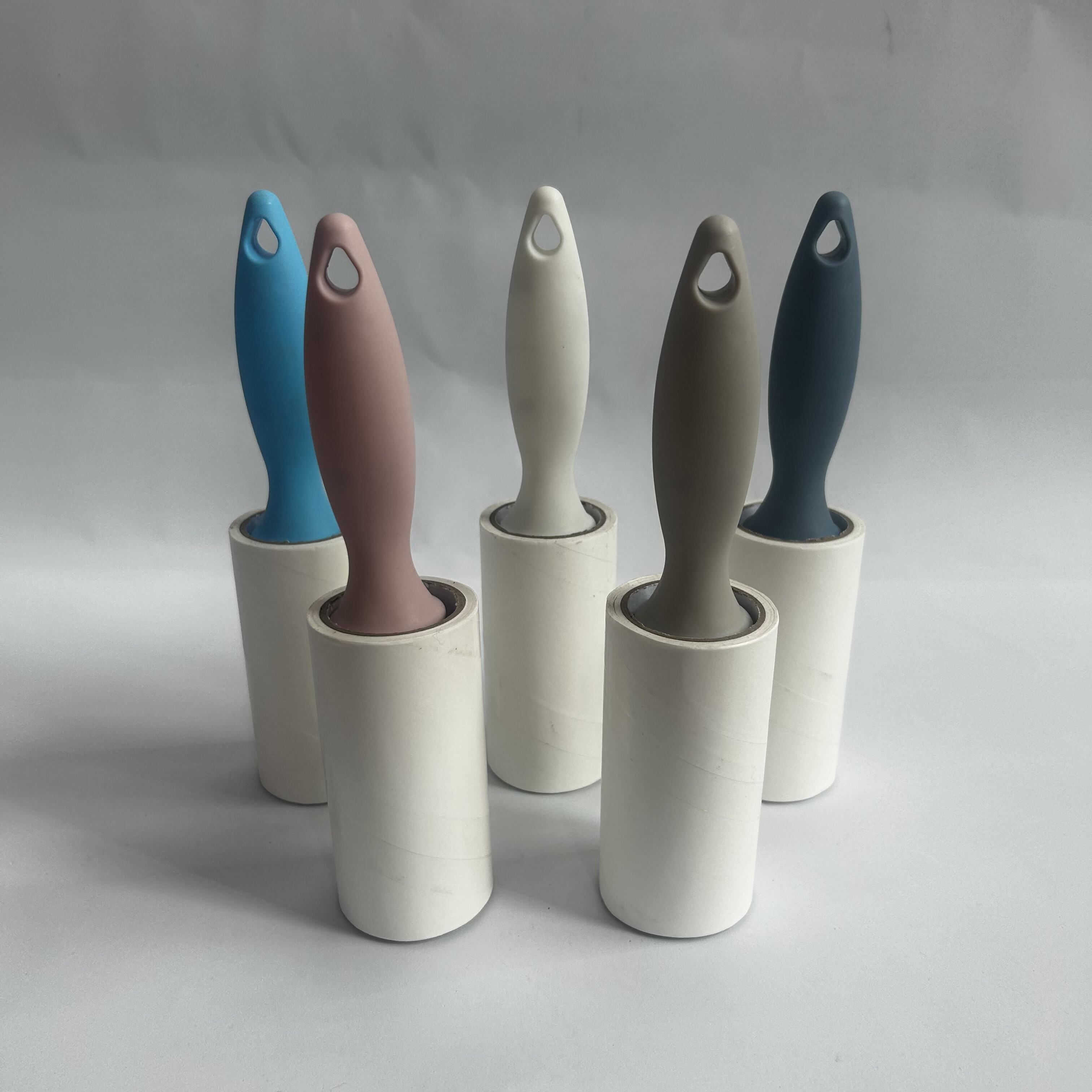
Every household faces the constant challenge of maintaining clean surfaces, from removing pet hair off furniture to eliminating lint from clothing before important meetings. While vacuum cleaners and washing machines handle major cleaning tasks, they often fall short when dealing with stubborn particles that cling to fabrics and upholstery. This gap in home cleaning solutions has made the sticky roller an indispensable tool that addresses specific cleaning needs that traditional methods simply cannot match.
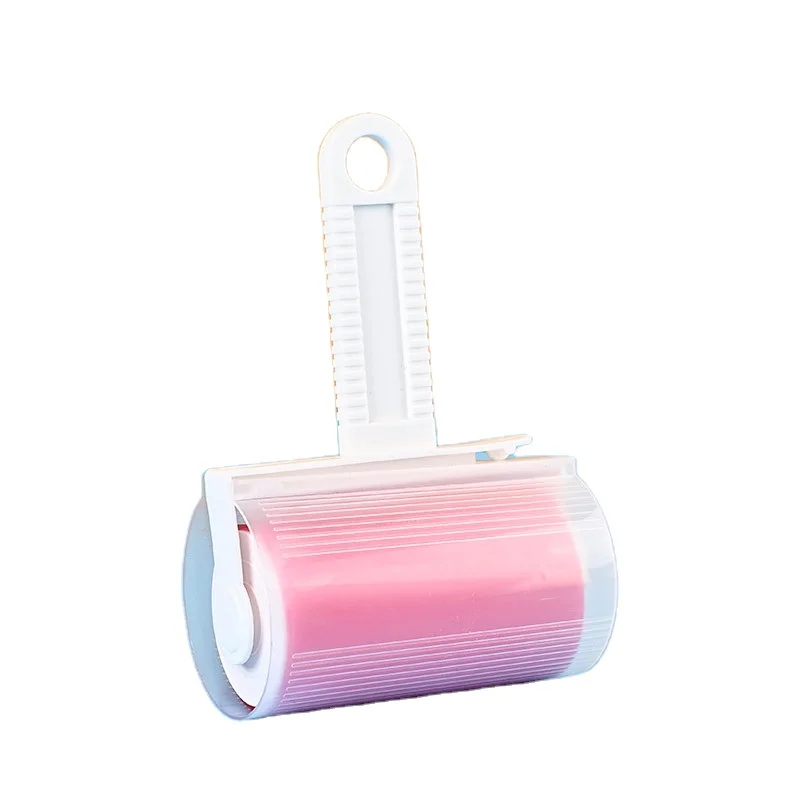
The modern sticky roller represents a breakthrough in targeted cleaning technology, offering precision removal capabilities that complement existing household cleaning equipment. Unlike broad-spectrum cleaning tools, a quality sticky roller provides immediate results for surface-level debris that would otherwise require multiple cleaning attempts or remain embedded in fabric fibers. Understanding why this tool has become essential reveals its unique position in maintaining household cleanliness standards and protecting valuable textiles from premature wear.
The Unique Cleaning Challenges That Demand Sticky Roller Solutions
Surface-Level Debris That Resists Traditional Cleaning
Traditional vacuum cleaners excel at removing loose dirt and debris from carpets and floors, but they struggle with materials that have become electrostatically charged or firmly attached to fabric surfaces. Pet hair, for instance, often weaves itself into upholstery fibers through static electricity, making it nearly impossible for vacuum suction to extract completely. A sticky roller addresses this limitation by using adhesive force to pull embedded particles directly from fabric surfaces without damaging the underlying material.
Lint accumulation presents another challenge that highlights the necessity of sticky roller technology. Clothing fibers naturally shed during wear and washing cycles, creating lint that clings to other garments through electrostatic attraction. This lint not only affects clothing appearance but can also attract additional dirt and odors over time. The precision application of a sticky roller removes these particles before they become deeply embedded, preventing the buildup that leads to fabric deterioration.
Dust and pollen particles create similar challenges in maintaining clean indoor environments. These microscopic particles settle on furniture surfaces and become trapped in fabric textures, contributing to allergen accumulation and air quality issues. While air filtration systems help reduce airborne particles, they cannot address particles that have already settled on surfaces. The targeted approach of a sticky roller provides immediate removal of these accumulated particles, supporting better indoor air quality.
Time-Sensitive Cleaning Requirements
Modern lifestyles often demand quick cleaning solutions that deliver immediate results without extensive preparation or cleanup. A sticky roller meets this need by providing instant debris removal without requiring power sources, water, or additional cleaning supplies. This immediacy makes it invaluable for last-minute clothing preparation, quick furniture touch-ups before guests arrive, or addressing unexpected spills and debris accumulation.
Professional situations frequently create time-sensitive cleaning needs where appearance standards cannot be compromised. Business meetings, social events, and professional presentations require clothing and surroundings to meet strict cleanliness standards. The portable nature of a sticky roller allows for on-demand cleaning that ensures these standards are maintained regardless of timing constraints or location limitations.
Essential Applications That Justify Sticky Roller Investment
Pet Hair Management Throughout the Home
Pet ownership introduces unique cleaning challenges that make a sticky roller absolutely essential for maintaining household cleanliness. Pet hair accumulates on furniture, bedding, and clothing at rates that exceed the capacity of regular vacuuming schedules. The adhesive surface of a quality sticky roller captures individual hair strands and clumps that vacuum suction cannot effectively remove, particularly from upholstered surfaces where hair becomes woven into fabric textures.
Different pet hair types require specialized removal approaches that highlight the versatility of sticky roller technology. Long-haired pets shed fur that creates visible accumulations on dark clothing and furniture, while short-haired pets produce fine hair that embeds deeply into fabric fibers. The consistent adhesive pressure of a sticky roller addresses both hair types effectively, ensuring thorough removal regardless of length or texture variations.
Seasonal shedding cycles intensify pet hair challenges, creating periods where traditional cleaning methods become inadequate. During these peak shedding times, a sticky roller provides the additional cleaning capacity needed to maintain acceptable cleanliness levels without increasing time investment in household maintenance. This seasonal adaptability makes the sticky roller an essential complement to existing pet care routines.
Clothing and Textile Maintenance
Clothing maintenance extends far beyond washing and ironing, requiring attention to surface-level particles that affect appearance and longevity. Lint accumulation from washing machine cycles creates visible fuzz on clothing surfaces that diminishes professional appearance and fabric quality. A sticky roller removes this post-wash lint effectively, ensuring clothing maintains its intended appearance and texture.
Delicate fabrics require gentle cleaning approaches that preserve fiber integrity while removing accumulated debris. Traditional brushing methods can damage sensitive materials like silk, cashmere, and fine wool, while sticky roller application provides debris removal without mechanical stress on fabric fibers. This gentle approach extends the lifespan of valuable garments while maintaining their aesthetic appeal.
Storage-related lint and dust accumulation affects clothing quality even when garments are not being worn. Closet environments can harbor dust particles and lint from other garments, creating cross-contamination that affects entire wardrobes. Regular sticky roller maintenance prevents this accumulation, ensuring stored clothing remains ready for immediate use without requiring additional cleaning before wear.
Health and Hygiene Benefits That Support Household Wellness
Allergen Reduction and Air Quality Improvement
Indoor allergen management requires comprehensive approaches that address both airborne and surface-settled particles. A sticky roller contributes significantly to allergen reduction by removing accumulated pollen, dust mites, and pet dander from furniture and textile surfaces where these particles concentrate. This surface-level removal complements air filtration systems by eliminating allergen sources before they can become airborne again through normal household activities.
Dust mite allergen reduction represents a critical health benefit that justifies sticky roller investment in every household. These microscopic organisms thrive in fabric environments, producing allergens that trigger asthma and respiratory sensitivities. Regular sticky roller use on upholstered furniture, bedding, and curtains removes dust mite waste products and dead skin cells that serve as their food source, creating less hospitable environments for these allergen producers.
Pollen accumulation during seasonal allergy periods creates indoor allergen concentrations that affect sensitive individuals even in closed environments. Pollen particles settle on clothing, furniture, and drapery after being carried indoors on shoes, clothing, and through open windows. The targeted removal capability of a sticky roller addresses these accumulated particles before they can recirculate through household air systems, reducing overall allergen exposure.
Hygiene Maintenance in High-Use Areas
High-traffic household areas accumulate debris and particles at accelerated rates that require frequent attention to maintain hygiene standards. Living room furniture, dining room chairs, and bedroom textiles collect daily accumulations of skin cells, food particles, and environmental debris that create hygiene concerns if not addressed regularly. A sticky roller provides the targeted cleaning capability needed to maintain these areas between deep cleaning sessions.
Kitchen and dining area textile maintenance presents unique hygiene challenges where food particles and cooking residues can attract pests and create bacterial growth environments. Chair cushions, tablecloths, and kitchen towels accumulate these particles through normal use, requiring immediate removal to prevent hygiene issues. The precise application of a sticky roller ensures these particles are removed before they can create larger cleanliness problems.
Economic Value and Long-Term Household Benefits
Textile Preservation and Replacement Cost Reduction
Quality textiles represent significant household investments that require proper maintenance to achieve their expected lifespan. Accumulated lint, pet hair, and debris create abrasive conditions that accelerate fabric wear and reduce textile longevity. Regular sticky roller maintenance removes these abrasive particles before they can cause permanent damage, extending the useful life of clothing, upholstery, and decorative fabrics throughout the home.
Professional cleaning costs can be substantially reduced through effective home maintenance that includes sticky roller use. Garments that require frequent professional cleaning due to lint and debris accumulation represent ongoing expenses that can be minimized through proper surface-level maintenance. The investment in a quality sticky roller pays for itself through reduced professional cleaning frequency and extended garment lifespan.
Upholstery replacement costs make preventive maintenance particularly valuable for household budget management. Furniture pieces that develop premature wear due to accumulated debris and inadequate surface cleaning require replacement or professional restoration much sooner than properly maintained pieces. The daily use of a sticky roller on furniture surfaces prevents the accumulation patterns that lead to premature replacement needs.
Time Efficiency and Convenience Value
Time investment in household maintenance must be balanced against the results achieved and the convenience of the cleaning method. A sticky roller provides maximum cleaning efficiency per minute invested, delivering visible results immediately without requiring setup time, power sources, or additional cleaning supplies. This efficiency makes it possible to maintain higher cleanliness standards without increasing overall time investment in household maintenance.
Emergency cleaning situations benefit tremendously from having a sticky roller readily available for immediate use. Unexpected guests, last-minute professional obligations, and social events create time-pressured situations where appearance standards cannot be compromised. The instant readiness of a sticky roller ensures these situations can be managed effectively without stress or appearance concerns.
Selection Criteria for Optimal Sticky Roller Performance
Adhesive Quality and Surface Compatibility
Adhesive formulation determines the effectiveness and versatility of any sticky roller system, making quality selection critical for optimal performance. High-quality adhesives maintain consistent stickiness throughout the roller surface while providing controlled release that removes debris without damaging underlying fabrics. This balance ensures effective cleaning across diverse textile types without creating adhesive residue or fabric damage.
Surface compatibility extends beyond basic fabric cleaning to include specialized materials like leather, suede, and synthetic blends that require gentle treatment. A quality sticky roller accommodates these diverse material requirements through adhesive formulations that adapt to different surface textures and sensitivities. This versatility eliminates the need for multiple cleaning tools while ensuring optimal results across all household textiles.
Temperature stability affects sticky roller performance in different household environments and seasonal conditions. Quality adhesives maintain effectiveness across temperature ranges encountered in normal household use, ensuring consistent performance whether used in cool basements, warm attics, or temperature-controlled living spaces. This stability ensures reliable cleaning capability regardless of environmental conditions.
Durability and Reusability Considerations
Construction quality determines the long-term value and performance reliability of sticky roller systems. Durable handles, secure adhesive attachment, and robust roller mechanisms ensure consistent performance through extended use periods. These quality factors reduce replacement frequency while maintaining cleaning effectiveness, making quality sticky roller investment more economical over time.
Washable and reusable designs offer environmental benefits and long-term cost savings that justify higher initial investment in quality sticky roller systems. These systems maintain adhesive effectiveness through multiple cleaning and washing cycles, eliminating the ongoing cost of replacement sheets or rollers. The environmental impact reduction makes these systems particularly valuable for environmentally conscious households.
FAQ
How often should I use a sticky roller on furniture and clothing?
Daily use on high-traffic furniture and clothing items provides optimal debris control and prevents accumulation buildup. For clothing, use before wearing and after removing garments that have collected lint or pet hair. Furniture should be addressed every few days or immediately after noticing visible debris accumulation, with weekly thorough cleaning sessions for comprehensive maintenance.
Can a sticky roller damage delicate fabrics or furniture materials?
Quality sticky roller systems are designed for safe use on virtually all household fabrics when used properly. Test on inconspicuous areas first for delicate materials like silk or antique textiles. Use light, rolling motions rather than pressing firmly, and avoid prolonged contact with adhesive surfaces. Modern adhesive formulations prioritize fabric safety while maintaining cleaning effectiveness.
What makes a sticky roller more effective than other lint removal methods?
The adhesive mechanism of a sticky roller provides superior particle capture compared to brushing or vacuum methods because it physically bonds with debris rather than relying on mechanical displacement or suction. This direct contact ensures removal of electrostatically charged particles, embedded pet hair, and fine lint that other methods cannot address effectively. The precision application also prevents particle redistribution common with other cleaning approaches.
Are washable sticky rollers worth the higher initial cost compared to disposable versions?
Washable sticky roller systems typically recover their higher initial cost within months through eliminated replacement sheet expenses. They also provide consistent adhesive performance without the declining effectiveness common in disposable systems as sheets are used. Environmental benefits and convenience of not needing replacement supplies make washable systems particularly valuable for households with high cleaning frequency requirements.