 EN
EN

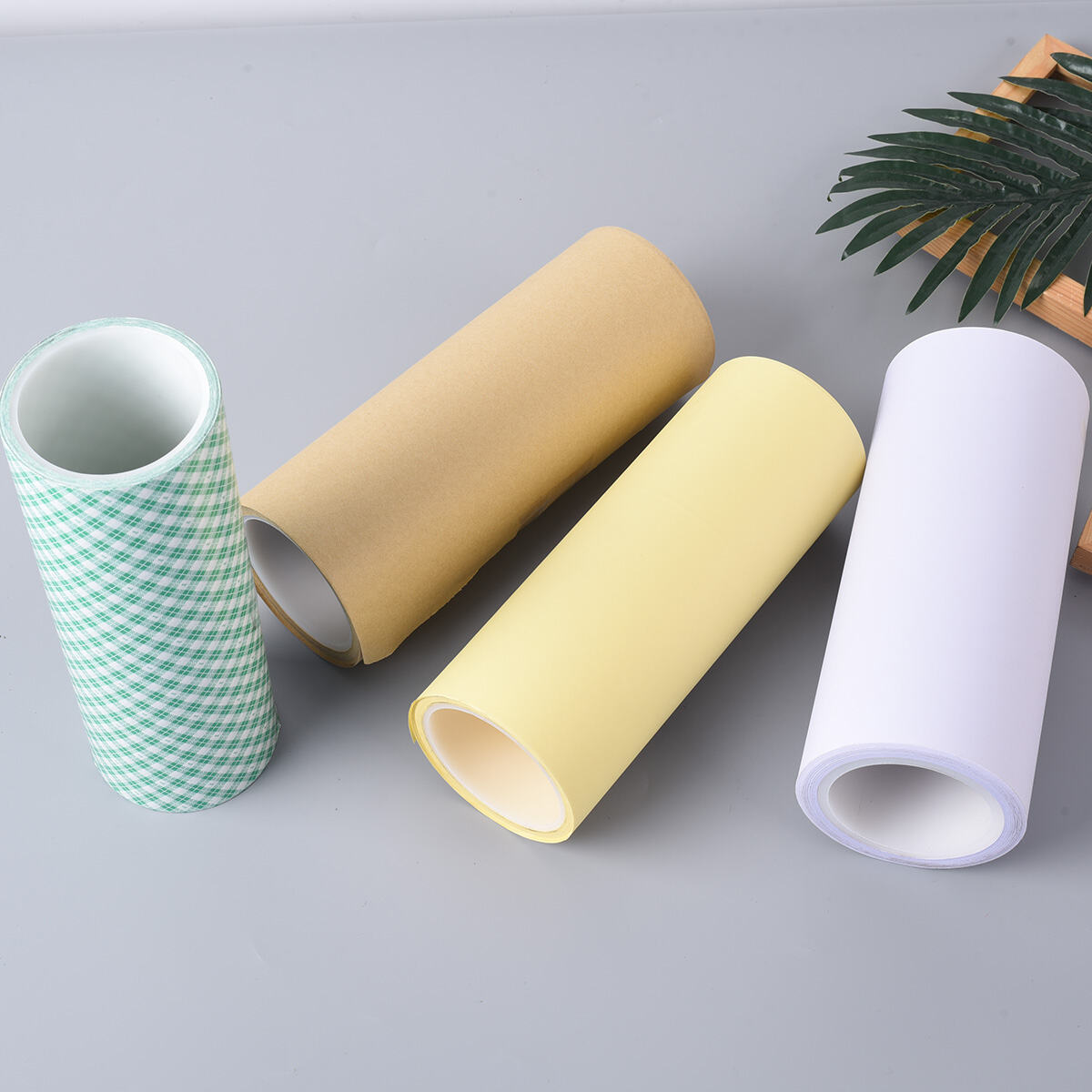
Растущий акцент на устойчивой упаковке и прозрачности цепочки поставок привел к усилению внимания ко всем компонентам производства товаров, включая специализированные виды бумаги, используемые в повседневных потребительских товарах. В ПЭТ линтовый ролик отрасли, гляциновая бумага стеклиновая бумага играет ключевую роль в качестве разделительной подложки, обеспечивающей правильную работу клеевых листов и сохраняющую их клейкость до момента использования. Понимание экологических последствий закупки стеклиновой бумаги стало необходимым для производителей, стремящихся привести свою деятельность в соответствие с целями устойчивого развития и удовлетворить растущие ожидания потребителей в отношении экологически безопасных продуктов.
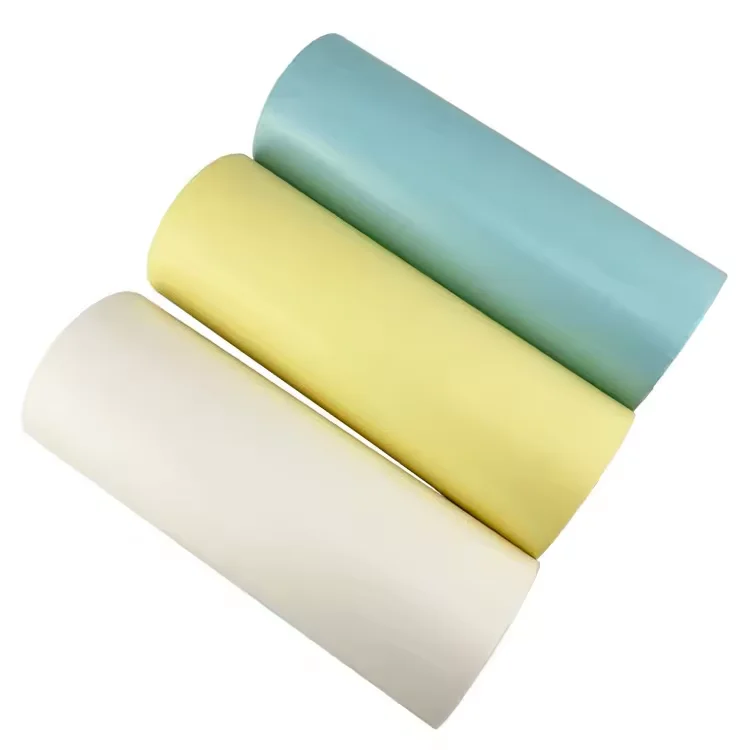
Воздействие гладкой бумаги (глассина) на окружающую среду в производстве ленточных роликовых очистителей для удаления катышков выходит за рамки непосредственного производственного процесса и охватывает добычу сырья, энергопотребление в ходе производства, выбросы при транспортировке, а также вопросы утилизации после окончания срока службы. По мере того как производители ленточных роликовых очистителей на основе полиэтилентерефталата (PET) всё активнее внедряют практики устойчивого закупочного обеспечения, выбор и закупка гладкой бумаги становятся важным фактором снижения общего экологического следа их цепочек поставок. В данном комплексном анализе рассматриваются способы, которыми выбор гладкой бумаги влияет на экологические результаты, а также приводятся рекомендации по принятию более устойчивых решений в области закупок в индустрии ленточных роликовых очистителей.
Роль гладкой бумаги (глассина) в производстве PET-роликов для удаления катышков
Ключевая функция в качестве разделительной подложки
Пергаментная бумага является незаменимым компонентом при производстве роликовых валиков для удаления катышков из ПЭТ, выполняя функцию разделительной подложки, защищающей клеевую поверхность на этапах производства, хранения и транспортировки. Специальная поверхностная обработка пергаментной бумаги обеспечивает её чистое отделение от липкого клеевого покрытия листов валиков без остатков и без снижения эффективности клея. Эта ключевая функция гарантирует, что каждый лист сохраняет оптимальную липкость для сбора катышков, пыли и других загрязнений при использовании продукта потребителями.
Производственный процесс требует использования гладкой пергаментной бумаги с определёнными характеристиками, включая контролируемую пористость, стабильную толщину и надёжные свойства отделения. Эти технические требования влияют на экологический след производства гладкой пергаментной бумаги, поскольку достижение необходимых эксплуатационных показателей зачастую связано с химической обработкой и энергоёмкими технологическими операциями. Понимание этих функциональных требований помогает производителям находить баланс между эксплуатационными характеристиками и экологическими соображениями при выборе устойчивых вариантов гладкой пергаментной бумаги для линий по производству роликовых очистителей от катышков.
Стандарты качества и экологические последствия
Стандарты качества для пергаментной бумаги в применении для роликовых липких очистителей напрямую влияют на экологические результаты за счёт своего воздействия на выбор материалов и методы их обработки. Высококачественная пергаментная бумага, как правило, требует процессов отбеливания, каландрирования и нанесения поверхностных покрытий, которые увеличивают общий экологический след данного материала. В то же время эти требования к качеству обеспечивают стабильные эксплуатационные характеристики, что снижает количество бракованных изделий и отходов в производственном процессе.
Производителям необходимо оценить, насколько спецификации качества для гляциновая бумага соответствуют экологическим целям с учётом таких факторов, как компромиссы между эксплуатационными характеристиками материала и его экологическим воздействием. Современные составы пергаментной бумаги, отвечающие техническим требованиям и одновременно содержащие вторичное сырьё или произведённые с использованием более экологичных технологий производства, открывают возможности по снижению экологического воздействия без ущерба для качества продукции при изготовлении роликовых липких очистителей.
Анализ экологического следа при производстве гладкой пергаментной бумаги
Источники сырья и воздействие на леса
Экологическое воздействие гладкой пергаментной бумаги начинается с добычи древесного волокна, которое служит основным материалом для производства бумаги. Практики устойчивого лесопользования существенно влияют на общий экологический след гладкой пергаментной бумаги, затрагивая сохранение биоразнообразия, секвестрацию углерода и здоровье почв. Леса, управляемые ответственно и соответствующие стандартам сертификации, таким как FSC или PEFC, обеспечивают сырьё с меньшим экологическим воздействием по сравнению с бумагой, полученной из нерегулируемых или незаконно заготовленных древесных ресурсов.
Транспортировка сырья из лесных источников на предприятия по производству гладкой бумаги добавляет еще один аспект экологических соображений. Стратегии локального и регионального закупа сырья позволяют сократить выбросы, связанные с транспортировкой, а также способствуют устойчивому ведению лесного хозяйства в близлежащих районах. Производители роликовых очистителей из ПЭТ всё чаще отдают предпочтение поставщикам, которые могут продемонстрировать прозрачные цепочки поставок и предоставить документацию, подтверждающую применение практик устойчивого лесопользования при производстве гладкой бумаги.
Потребление энергии в производственных процессах
Производство гладкой пергаментной бумаги включает энергоемкие процессы, такие как изготовление целлюлозы, отбеливание, каландрирование и сушка, которые вносят значительный вклад в ее экологический след. Процесс каландрирования, обеспечивающий гладкую поверхность, необходимую для применения в качестве подложки с отделяемым слоем, требует значительных энергозатрат, поскольку бумага проходит через нагретые металлические валы под высоким давлением. Современные производственные предприятия внедряют энергоэффективные технологии и возобновляемые источники энергии для снижения углеродного следа, связанного с производством гладкой пергаментной бумаги.
Химические обработки, применяемые для придания пергаментной бумаге свойств антиприлипания, также способствуют негативному воздействию на окружающую среду за счёт энергопотребления и потенциальных химических выбросов. На передовых производственных предприятиях внедряются замкнутые циклы и технологии утилизации тепловых отходов для минимизации потерь энергии и снижения воздействия на окружающую среду. Понимание этих производственных процессов помогает производителям валиков для удаления катышков оценить реальную экологическую стоимость различных вариантов пергаментной бумаги и принимать обоснованные решения при закупке сырья, соответствующие целям устойчивого развития.
Устойчивость цепочки поставок при закупке пергаментной бумаги
Оценка поставщиков и стандарты сертификации
Внедрение устойчивых практик закупок для гладкой бумаги требует комплексных программ оценки поставщиков, направленных на оценку экологической эффективности по нескольким критериям. Стандарты сертификации, такие как стандарт ISO 14001 в области систем экологического менеджмента и специальные отраслевые сертификаты для бумажной промышленности, предоставляют основу для оценки приверженности поставщиков экологической ответственности. Такие оценки охватывают такие факторы, как энергоэффективность, программы сокращения отходов, оптимизация расхода воды и управление химическими веществами на предприятиях по производству гладкой бумаги.
Ведущие производители роликовых валиков для удаления катышков из ПЭТ разрабатывают оценочные карточки поставщиков, включающие показатели экологической эффективности наряду с традиционными критериями, такими как качество, стоимость и надёжность поставок. Эти комплексные системы оценки позволяют производителям выявлять поставщиков гладкой бумаги (глициновой бумаги), которые демонстрируют измеримый прогресс в достижении целей устойчивого развития, сохраняя при этом необходимые технические характеристики для применения в роликовых валиках для удаления катышков. Регулярные аудиты поставщиков и оценки их деятельности обеспечивают постоянное соблюдение экологических стандартов и стимулируют непрерывное совершенствование практик устойчивого развития.
Оптимизация транспортировки и логистики
Транспортировка гладкой бумаги с производственных предприятий на площадки по производству валиков для удаления катышков представляет собой значительную составляющую общего экологического воздействия в рамках цепочки поставок. Оптимизация логистики за счёт региональных стратегий закупок, объединённых отправок и эффективных видов транспорта может существенно снизить объём выбросов углерода, связанных с закупкой гладкой бумаги. Многие производители внедряют инструменты картирования цепочек поставок для выявления возможностей сокращения транспортных расстояний и повышения эффективности доставки.
Совместные логистические программы, координирующие поставки между несколькими производителями, могут повысить коэффициент использования транспортных средств и снизить объём выбросов на единицу продукции при доставке гладкой бумаги. Кроме того, выбор транспортных партнёров, эксплуатирующих парки транспортных средств с высокой топливной эффективностью, а также внедряющих программы обучения водителей с целью повышения топливной экономичности, способствует общей устойчивости цепочки поставок. Эти стратегии оптимизации логистики демонстрируют, как повышение операционной эффективности может быть согласовано с экологическими целями при закупке гладкой бумаги.
Возможности круговой экономики и сокращение отходов
Использование переработанных материалов
Интеграция переработанных волокон в производство глянцевой бумаги представляет собой значительную возможность сокращения воздействия на окружающую среду при одновременном сохранении эксплуатационных характеристик, необходимых для применения в валиках для удаления катышков. Современные технологии переработки позволяют включать в составы глянцевой бумаги бытовые и промышленные бумажные отходы без ухудшения свойств отслаивания, критически важных для функций подложки-релизера. Такой подход снижает потребность в первичном волокне и способствует отводу отходов от захоронения на полигонах.
Производители разрабатывают технические спецификации, допускающие различные уровни содержания вторичного сырья в гладкой пергаментной бумаге при обеспечении стабильных эксплуатационных характеристик в производстве роликовых лент для удаления катышков. Современные технологии обработки волокна позволяют выпускать высококачественную гладкую пергаментную бумагу с существенным содержанием переработанного материала, что способствует реализации принципов циркулярной экономики в рамках производственной цепочки поставок. Экономические преимущества использования вторичного сырья в сочетании с экологическими выгодами создают убедательные коммерческие обоснования для внедрения более устойчивых составов гладкой пергаментной бумаги.
Утилизация после окончания срока службы и биоразлагаемость
Характеристики утилизации стеклиновой бумаги в конце срока службы существенно влияют на её общий экологический след, особенно с учётом больших объёмов, используемых при производстве роликовых липких щёток. В отличие от синтетических разделительных подложек, стеклиновая бумага обладает естественной биоразлагаемостью, что способствует более устойчивым методам обращения с отходами. Однако наличие химических обработок и покрытий может влиять на скорость разложения и компостируемость, поэтому выбор состава требует тщательного рассмотрения.
Производители изучают составы гладкой пергаментной бумаги, которые сохраняют необходимые свойства антиприлипания при одновременной оптимизации биоразлагаемости и компостируемости. Это включает оценку водных и растворительсодержащих обработок, а также выбор материалов для покрытий, не препятствующих естественным процессам разложения. Понимание полного жизненного цикла гладкой пергаментной бумаги — от производства до утилизации — позволяет производителям принимать обоснованные решения, минимизирующие долгосрочное воздействие на окружающую среду при соблюдении функциональных требований к применению в роликовых лентах для удаления катышков.
Технологические инновации и будущие тенденции устойчивого развития
Разработка альтернативных материалов
Текущие исследования и разработки направлены на создание альтернативных материалов, способных заменить традиционную глянцевую бумагу в применении в качестве разделительной подложки, при этом обеспечивая улучшенные экологические характеристики. Био-покрытия на основе возобновляемых источников, например растительных полимеров, демонстрируют перспективность с точки зрения снижения зависимости от нефтепродуктов в производстве глянцевой бумаги. Эти инновации сохраняют необходимые свойства отслаивания для применения в валиках для удаления катышков, одновременно снижая общий углеродный след материала.
Применение нанотехнологий в производстве гладкой пергаментной бумаги позволяет разрабатывать более тонкие материалы с улучшенными эксплуатационными характеристиками, сокращая расход сырья при сохранении функциональности. Эти передовые материалы могут обеспечивать равнозначные или превосходящие свойства антиадгезии при снижении содержания волокна, что способствует достижению целей по сохранению ресурсов. Разработка таких инновационных альтернатив гладкой пергаментной бумаги требует сотрудничества между поставщиками материалов, производителями валиков для удаления ворса и научно-исследовательскими учреждениями для обеспечения технической жизнеспособности и коммерческой масштабируемости.
Прозрачность цифровой цепочки поставок
Цифровые технологии кардинально меняют прозрачность цепочек поставок при закупке гладкой пергаментной бумаги, позволяя производителям отслеживать показатели экологического воздействия на всех этапах производства и распределения. Системы прослеживаемости на основе блокчейна обеспечивают неизменяемые записи о практиках устойчивого снабжения — от сертификации лесов до окончательной доставки на производственные предприятия. Эти цифровые платформы позволяют в режиме реального времени контролировать показатели экологической эффективности и способствуют соблюдению требований к отчётности в области устойчивого развития.
Для оптимизации решений по закупке гладкой пергаментной бумаги применяются передовые инструменты аналитики на основе всесторонней оценки экологического воздействия, учитывающей такие факторы, как углеродный след, расход воды, образование отходов и влияние на экосистемы. Алгоритмы машинного обучения позволяют выявлять закономерности и возможности для повышения устойчивости цепочки поставок, обеспечивая непрерывную оптимизацию экологических показателей. Эти технологические возможности позволяют производителям принимать обоснованные на данных решения, обеспечивающие баланс между экологическими целями и операционными требованиями при закупке гладкой пергаментной бумаги.
Часто задаваемые вопросы
Каково сравнение экологического воздействия гладкой пергаментной бумаги и синтетических разделительных подложек в производстве роликовых лент для удаления катышков?
Бумага гладин, как правило, обладает более высокими экологическими показателями по сравнению с синтетическими антипригарными подложками благодаря своей биоразлагаемости и основе из возобновляемых волокон. Хотя синтетические материалы могут обеспечивать определённые эксплуатационные преимущества, бумага гладин характеризуется естественной способностью к разложению, что способствует устойчивым практикам обращения с отходами. Производство бумаги гладин из возобновляемых лесных ресурсов также снижает негативное воздействие на окружающую среду в течение всего жизненного цикла по сравнению с синтетическими альтернативами на нефтяной основе, хотя конкретные экологические преимущества зависят от методов закупки сырья и производственных процессов.
Какие стандарты сертификации должны учитывать производители при закупке устойчивой бумаги гладин?
Ключевые стандарты сертификации устойчивой гладкой бумаги включают FSC (Совет по лесному хозяйству) и PEFC (Программа по подтверждению систем сертификации лесов) для ответственного лесопользования, а также ISO 14001 — стандарт по системам экологического менеджмента. Дополнительные сертификаты, такие как Cradle to Cradle и различные стандарты содержания вторичного сырья, обеспечивают дополнительную гарантию экологической ответственности. Производителям следует отдавать предпочтение поставщикам, которые обладают несколькими соответствующими сертификатами и могут предоставить прозрачную документацию о своих практиках устойчивого развития на всех этапах производственного процесса.
Может ли содержание вторичного сырья в гладкой бумаге влиять на её эксплуатационные характеристики при использовании в роликовых очистителях?
Современные технологии переработки позволяют включать значительное количество вторичного сырья в производство гладкой бумаги (глассина) без ущерба для её эксплуатационных характеристик при использовании в роликовых лентах для удаления катышков. Современные процессы обработки волокон и системы контроля качества обеспечивают сохранение необходимых свойств вторичного сырья: характеристик отслаивания, гладкости поверхности и размерной стабильности, требуемых для эффективного функционирования разделительной подложки.
Какую роль играет транспортировка в общем экологическом воздействии при закупке глассина?
Транспортировка представляет собой значительную составляющую экологического следа гладкой бумаги, особенно при закупке сырья из удалённых регионов. Стратегии локального закупа сырья позволяют существенно сократить транспортные выбросы и одновременно поддерживать местные практики лесоуправления. Методы оптимизации — такие как объединение грузов в единые партии, рациональное планирование маршрутов и выбор видов транспорта с низким уровнем выбросов — позволяют минимизировать воздействие транспортировки на окружающую среду. Многие производители внедряют инструменты картирования цепочек поставок для выявления возможностей сокращения транспортных расстояний и повышения эффективности логистики в рамках своих общих стратегий устойчивого развития.
Содержание
- Роль гладкой бумаги (глассина) в производстве PET-роликов для удаления катышков
- Анализ экологического следа при производстве гладкой пергаментной бумаги
- Устойчивость цепочки поставок при закупке пергаментной бумаги
- Возможности круговой экономики и сокращение отходов
- Технологические инновации и будущие тенденции устойчивого развития
-
Часто задаваемые вопросы
- Каково сравнение экологического воздействия гладкой пергаментной бумаги и синтетических разделительных подложек в производстве роликовых лент для удаления катышков?
- Какие стандарты сертификации должны учитывать производители при закупке устойчивой бумаги гладин?
- Может ли содержание вторичного сырья в гладкой бумаге влиять на её эксплуатационные характеристики при использовании в роликовых очистителях?
- Какую роль играет транспортировка в общем экологическом воздействии при закупке глассина?