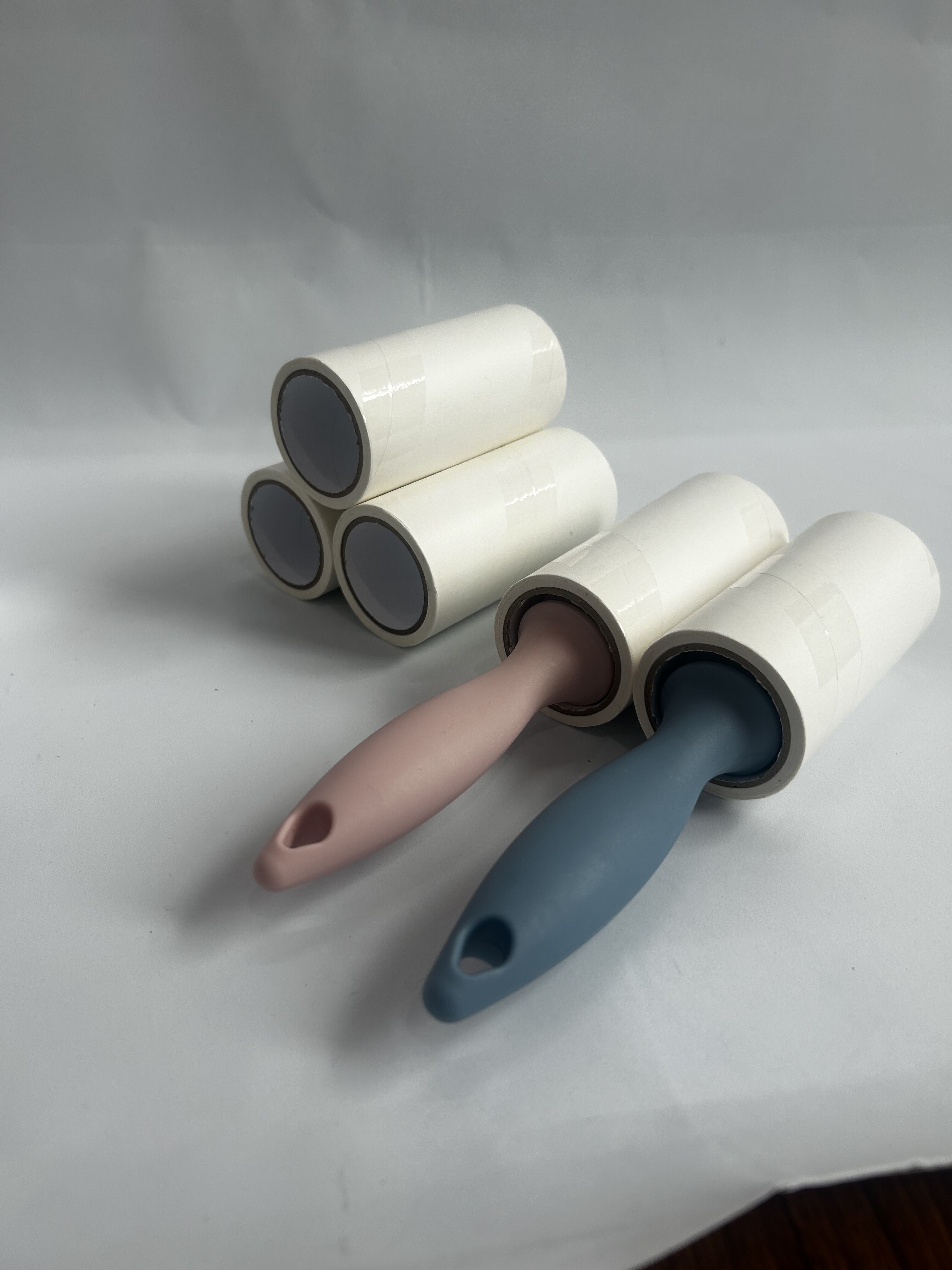
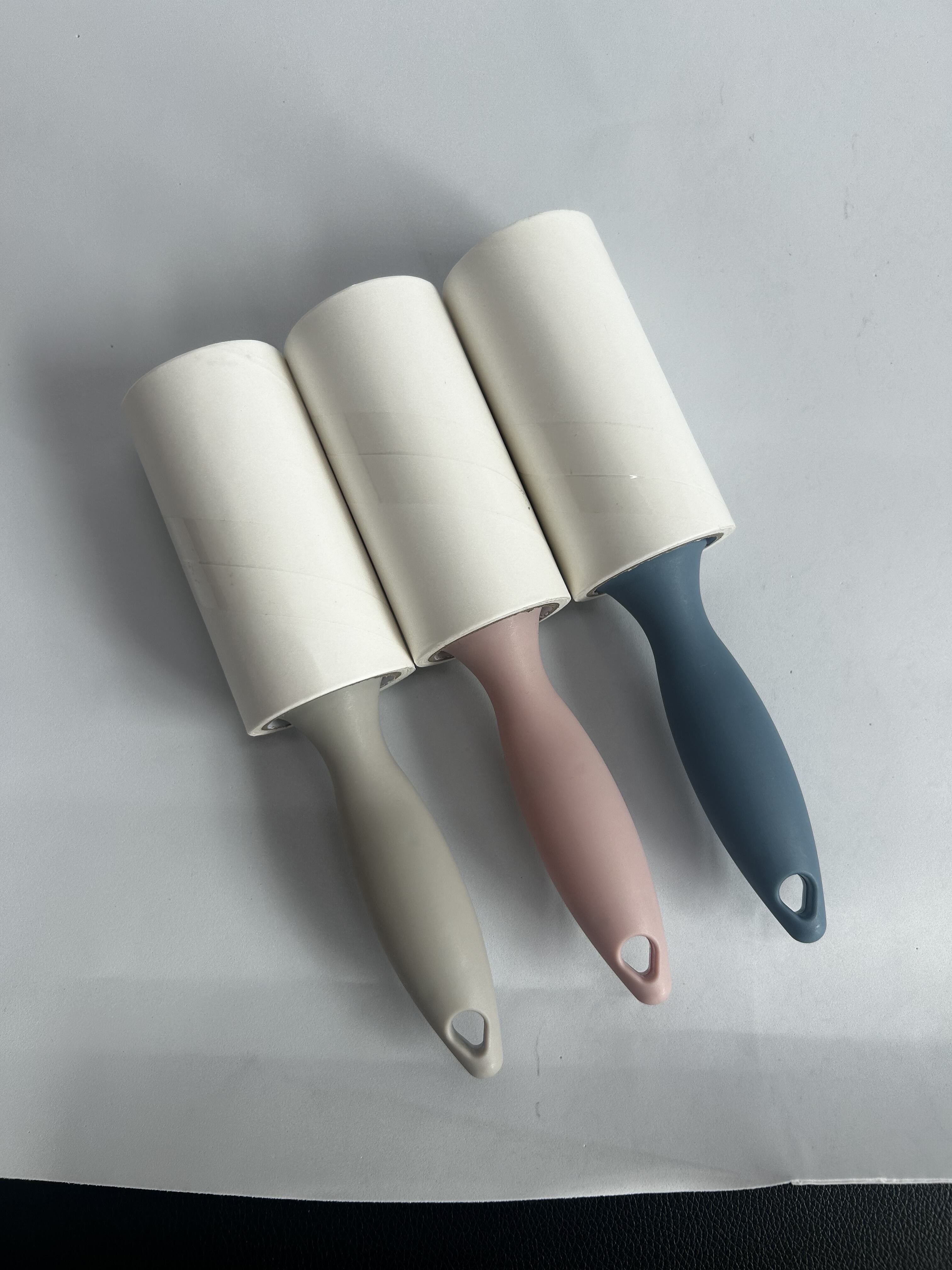
Premium Customized Liner Paper Solutions - Advanced Protection & Sustainable Manufacturing

Contact me immediately if you encounter problems!

All Categories

Get a Free Quote

Our representative will contact you soon.
Email
Mobile/WhatsApp
Name
Products
Message
0/1000

customized liner paper

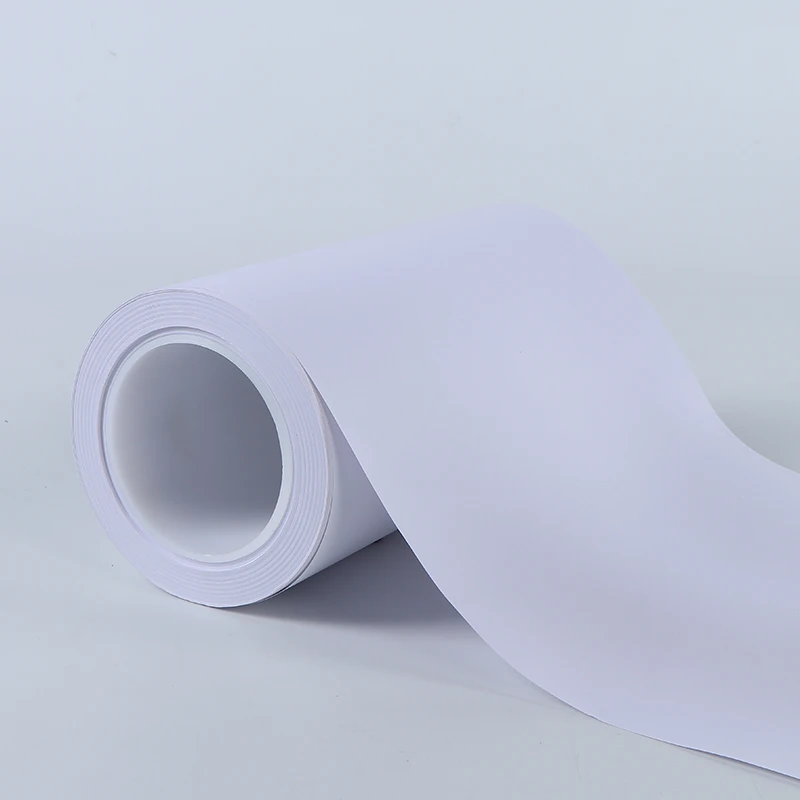
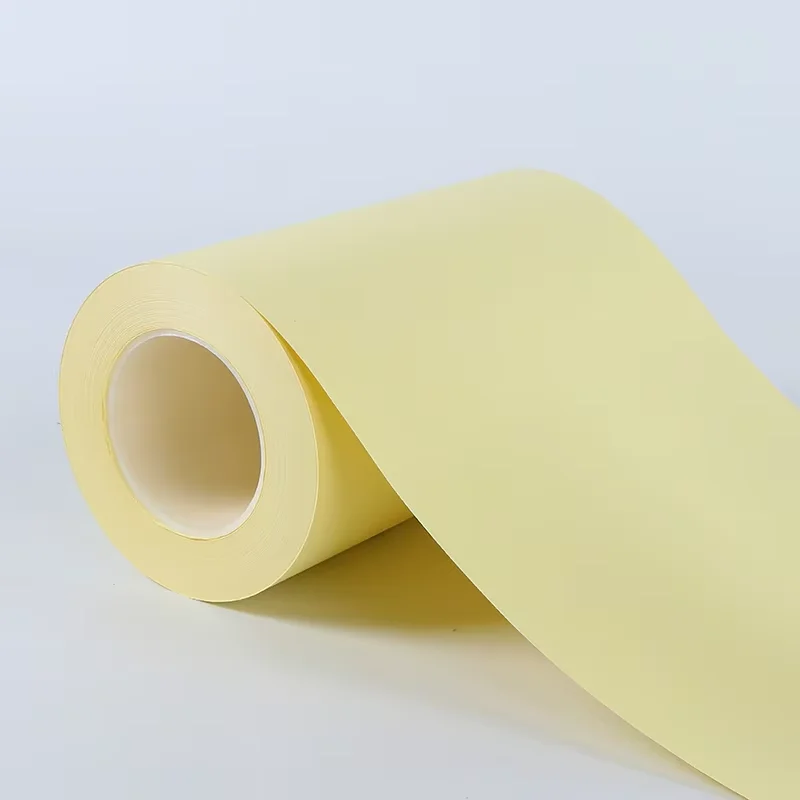
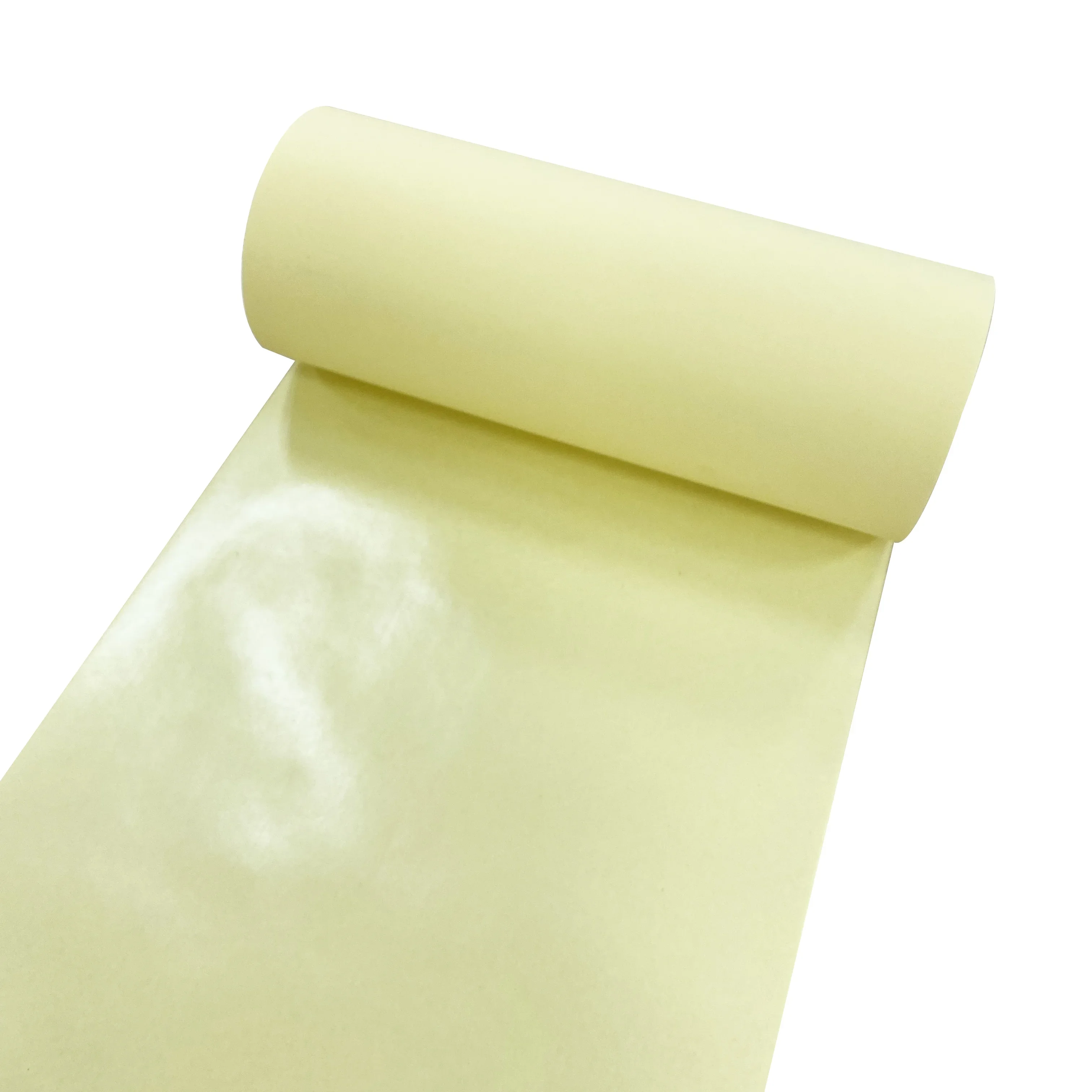
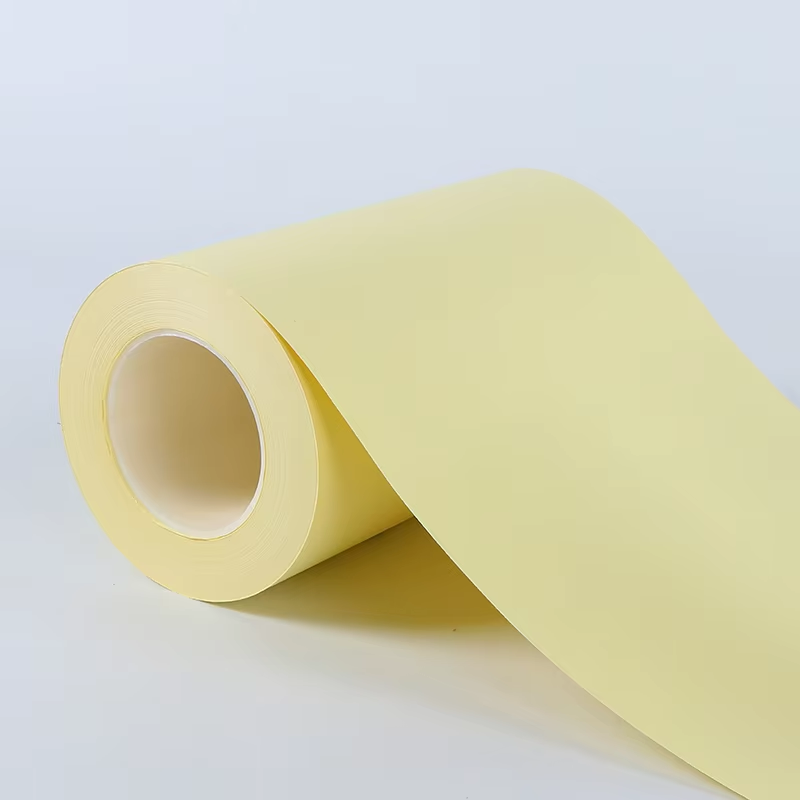
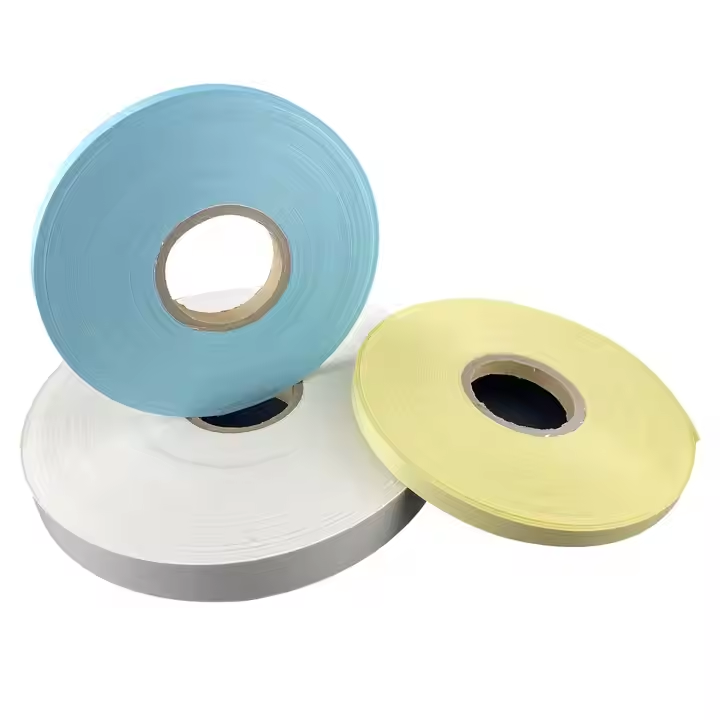
Customized liner paper represents a revolutionary advancement in packaging and protective materials, specifically engineered to meet diverse industrial requirements across multiple sectors. This specialized paper solution combines traditional paper manufacturing techniques with modern coating technologies to deliver superior performance characteristics. Customized liner paper serves as a protective barrier between surfaces, preventing contamination, moisture transfer, and physical damage during storage, transportation, and processing operations. The material features advanced surface treatments that enhance its resistance to oils, chemicals, and environmental factors while maintaining excellent dimensional stability. Manufacturing processes incorporate precision coating applications that create uniform surface properties, ensuring consistent performance across large production runs. The customization aspect allows manufacturers to tailor specific properties including thickness variations, surface textures, coating formulations, and dimensional specifications to match exact application requirements. Quality control systems monitor every production stage, from raw material selection through final finishing operations, guaranteeing that each batch meets stringent performance standards. The paper substrate utilizes high-grade pulp fibers that provide exceptional tensile strength and tear resistance, essential for demanding industrial applications. Surface modifications include barrier coatings that create moisture-resistant properties while maintaining breathability when required. Temperature resistance characteristics enable customized liner paper to perform effectively across wide operating ranges, from freezing conditions to elevated processing temperatures. The material design incorporates food-safe formulations where applicable, meeting regulatory requirements for direct and indirect food contact applications. Manufacturing flexibility allows for custom printing, embossing, and surface texturing to enhance functionality and brand identification. Environmental considerations drive the development of sustainable formulations using renewable resources and biodegradable components wherever possible. These comprehensive features make customized liner paper an essential component in modern packaging systems, providing reliable protection while supporting operational efficiency and cost-effectiveness across diverse industrial applications.

New Product Releases

Customized liner paper delivers exceptional cost efficiency by eliminating waste through precise dimensional matching and application-specific formulations. Companies reduce material costs significantly because they purchase exactly what they need without paying for unnecessary features or oversized specifications. The manufacturing process optimization results in lower production costs, which translate directly into savings for end users. Durability advantages become apparent through extended service life compared to standard alternatives, reducing replacement frequency and associated labor costs. Quality control measures ensure consistent performance, minimizing production downtime caused by material failures or inconsistent properties. The customization capability allows businesses to optimize their processes by selecting specific characteristics that enhance operational efficiency. Surface treatments provide superior release properties, reducing adhesion issues that commonly plague standard materials during manufacturing operations. Environmental benefits include reduced packaging waste through precise sizing and improved recyclability through sustainable material formulations. Processing advantages emerge from enhanced compatibility with existing equipment and workflows, eliminating the need for costly modifications or specialized handling procedures. Storage benefits include improved stability under various conditions, reducing inventory losses due to degradation or contamination. Transportation advantages result from optimized packaging configurations that reduce shipping costs and improve product protection during transit. The material flexibility accommodates diverse application requirements, from food processing to industrial manufacturing, providing versatile solutions for multiple sectors. Performance reliability ensures predictable results across production batches, supporting quality assurance programs and regulatory compliance initiatives. Installation simplicity reduces labor requirements and training costs, making implementation straightforward for operations teams. Maintenance advantages include reduced cleaning requirements and simplified replacement procedures compared to alternative solutions. Supply chain benefits emerge from reliable availability and consistent lead times, supporting production planning and inventory management objectives. Technical support services provide ongoing assistance for optimization opportunities and troubleshooting guidance. The scalability of production capabilities ensures that volume requirements can be met efficiently, from small specialty runs to large-scale industrial applications. Innovation in formulation chemistry continues to expand performance capabilities while maintaining cost competitiveness in evolving market conditions.

Latest News

Top 10 Liner Paper Types for Industrial Applications

09

Dec

Top 10 Liner Paper Types for Industrial Applications

Industrial applications demand specialized materials that can withstand demanding environments while delivering consistent performance. Among the most critical components in modern manufacturing and packaging processes is liner paper, which serves as...
View More
Sustainable Liner Paper: Eco-Friendly Packaging Solutions

15

Dec

Sustainable Liner Paper: Eco-Friendly Packaging Solutions

Modern packaging industries are experiencing a significant shift toward sustainable materials, with liner paper emerging as a crucial component in eco-friendly packaging solutions. This specialized paper serves as a fundamental element in various app...
View More
Cost-Effective Liner Paper Solutions for Small Business

30

Dec

Cost-Effective Liner Paper Solutions for Small Business

Small businesses across manufacturing, packaging, and retail industries constantly seek efficient solutions that balance quality with cost-effectiveness. When it comes to packaging materials and industrial applications, liner paper has emerged as an ...
View More
How to Choose the Perfect Pet Lint Roller: Expert Guide

16

Jan

How to Choose the Perfect Pet Lint Roller: Expert Guide

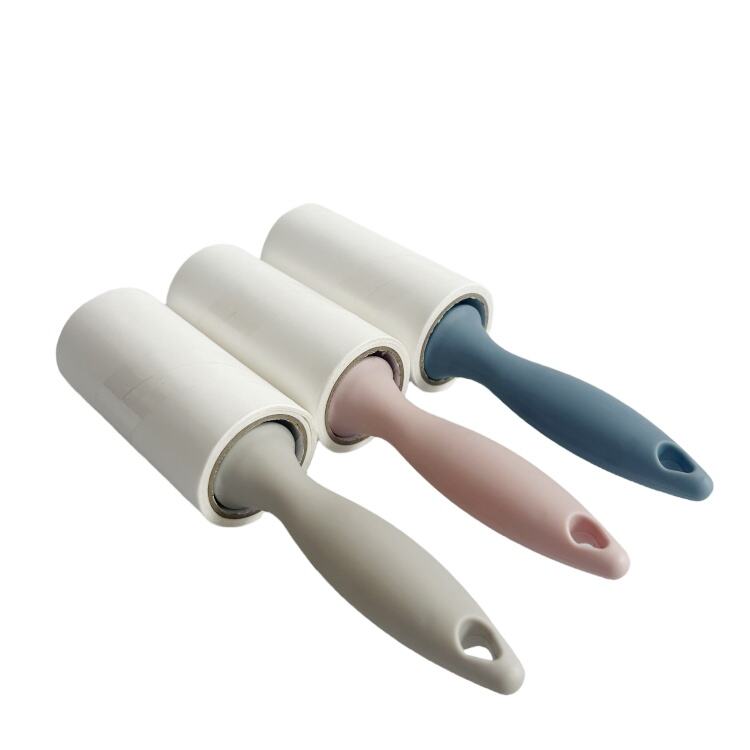
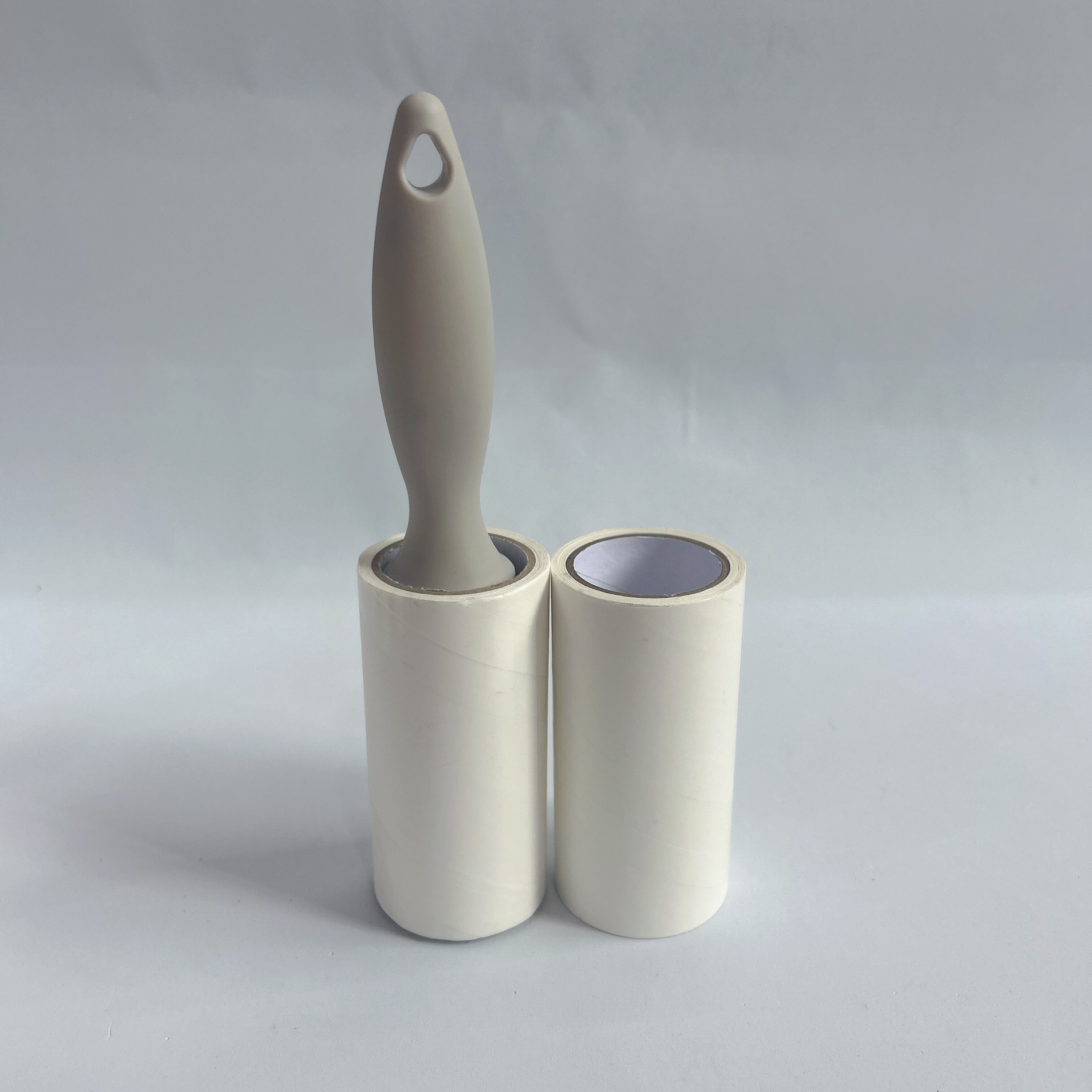
Pet owners understand the daily struggle of managing pet hair on clothing, furniture, and carpets. A quality pet lint roller serves as an essential tool in maintaining a clean, hair-free environment while preserving the bond with beloved furry compan...
View More

Get a Free Quote

Our representative will contact you soon.
Email
Mobile/WhatsApp
Name
Products
Message
0/1000

customized liner paper

Advanced Barrier Technology for Maximum Protection

Advanced Barrier Technology for Maximum Protection

The sophisticated barrier technology integrated into customized liner paper represents a breakthrough in protective material engineering, delivering unparalleled safeguarding capabilities for sensitive products and processes. This advanced system incorporates multiple protective layers that work synergistically to create an impermeable shield against moisture, oils, chemicals, and environmental contaminants. The primary barrier layer utilizes proprietary polymer formulations that maintain flexibility while providing exceptional resistance to penetration by liquids and vapors. Secondary protective elements include antimicrobial treatments that prevent bacterial and fungal growth, essential for food processing and pharmaceutical applications. The barrier system design accommodates temperature fluctuations without compromising protective integrity, ensuring reliable performance across seasonal variations and process heating cycles. Molecular-level engineering creates microscopic structures that allow controlled breathability when required while blocking unwanted moisture migration. Chemical resistance properties enable safe contact with aggressive substances commonly encountered in industrial environments, including acids, bases, and organic solvents. The protective system maintains effectiveness throughout extended storage periods, preventing degradation that compromises barrier function over time. Quality testing protocols validate barrier performance under accelerated aging conditions, simulating years of real-world exposure in controlled laboratory environments. Environmental stress resistance ensures continued protection under UV exposure, temperature cycling, and humidity variations typical of warehouse and transportation conditions. The barrier technology integration process maintains paper flexibility and handling characteristics, preventing brittleness or cracking that could compromise protective capabilities. Customization options include varying barrier intensity levels to match specific application requirements, optimizing protection while controlling material costs. Manufacturing quality controls monitor barrier layer thickness and uniformity, ensuring consistent protective performance across large production volumes. Field performance data demonstrates superior protection compared to conventional alternatives, with measurable reductions in product contamination and quality issues. The technology platform supports continuous improvement initiatives, incorporating new materials and processes as they become available to enhance protective capabilities further.
Precision Customization for Perfect Application Fit

Precision Customization for Perfect Application Fit

Precision customization capabilities distinguish this liner paper solution by delivering exact specifications that eliminate waste and optimize performance for each unique application scenario. The customization process begins with comprehensive application analysis, examining operational requirements, environmental conditions, and performance expectations to develop optimal material characteristics. Engineering teams collaborate closely with customers to understand specific challenges and opportunities, ensuring that customized solutions address real-world operational needs effectively. Dimensional precision includes thickness variations measured in micrometers, width tolerances maintained within stringent specifications, and length accuracy that eliminates material waste during installation and use. Surface texture customization provides options ranging from ultra-smooth finishes for sensitive electronic components to textured surfaces that enhance grip and handling in industrial applications. Chemical formulation adjustments enable specific resistance properties, pH compatibility, and interaction characteristics tailored to particular substances or environments. Coating weight variations allow precise control over barrier properties, release characteristics, and surface energy levels to match exact application requirements. Color customization includes standard options plus custom color matching for branding and identification purposes, supporting quality control and workflow organization initiatives. Print compatibility features enable direct marking, coding, or decorative printing without compromising material performance or barrier integrity. Edge treatment options include sealed edges for enhanced moisture protection or perforated edges for easy tearing and handling convenience. Roll configuration customization accommodates specific equipment requirements, including core sizes, roll diameters, and winding tensions optimized for customer machinery. Packaging customization ensures proper protection during shipping and storage while facilitating efficient handling and inventory management. Testing protocols verify that customized specifications meet or exceed performance requirements through comprehensive quality validation procedures. Documentation packages provide detailed specifications, handling recommendations, and performance data to support quality assurance and regulatory compliance programs. The customization process maintains cost effectiveness by eliminating unnecessary features while enhancing critical performance characteristics that directly impact operational success and customer satisfaction.
Sustainable Manufacturing with Environmental Responsibility

Sustainable Manufacturing with Environmental Responsibility

Sustainable manufacturing practices embedded throughout the customized liner paper production process demonstrate unwavering commitment to environmental responsibility while maintaining superior product performance and cost competitiveness. The sustainability framework encompasses raw material selection, manufacturing processes, energy utilization, waste reduction, and end-of-life considerations to minimize environmental impact across the complete product lifecycle. Raw material sourcing prioritizes renewable resources, including sustainably harvested wood fibers from certified forests and recycled content integration where technically feasible without compromising performance requirements. Manufacturing energy systems incorporate renewable energy sources, including solar installations and wind power agreements, reducing carbon footprint while maintaining production reliability and cost control. Water management systems feature closed-loop processes that minimize fresh water consumption and eliminate discharge of process chemicals into environmental water systems. Waste reduction initiatives include material optimization programs that minimize raw material waste, process efficiency improvements that reduce energy consumption, and recycling programs for production byproducts. Chemical selection emphasizes low-impact formulations that maintain performance while reducing environmental burden throughout manufacturing and use phases. Packaging optimization reduces material consumption for shipping containers while ensuring adequate protection during transportation and storage operations. Carbon footprint reduction programs include transportation optimization, local sourcing initiatives where practical, and manufacturing process improvements that reduce energy intensity per unit produced. Employee training programs ensure environmental awareness and compliance with sustainability protocols throughout all production operations and quality control procedures. Supplier partnership programs extend sustainability requirements throughout the supply chain, encouraging environmental responsibility among material vendors and service providers. Certification achievements include recognized environmental management standards that validate sustainability practices through independent third-party auditing and verification processes. Research and development investments focus on next-generation sustainable materials and processes that will further reduce environmental impact while enhancing product performance capabilities. Lifecycle assessment studies quantify environmental benefits and identify opportunities for continued improvement in sustainability performance metrics. Transparency reporting provides customers with detailed environmental impact data, supporting their sustainability goals and regulatory compliance requirements while demonstrating measurable progress toward environmental objectives and industry leadership in sustainable manufacturing practices.

Get a Free Quote

Our representative will contact you soon.
Email
Mobile/WhatsApp
Name
Products
Message
0/1000