Versatile Applications and Manufacturing Flexibility Benefits
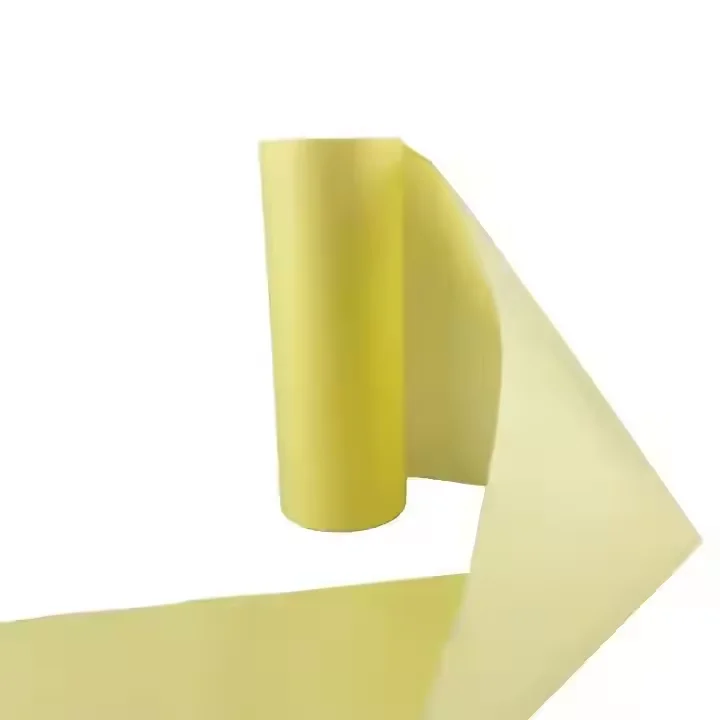
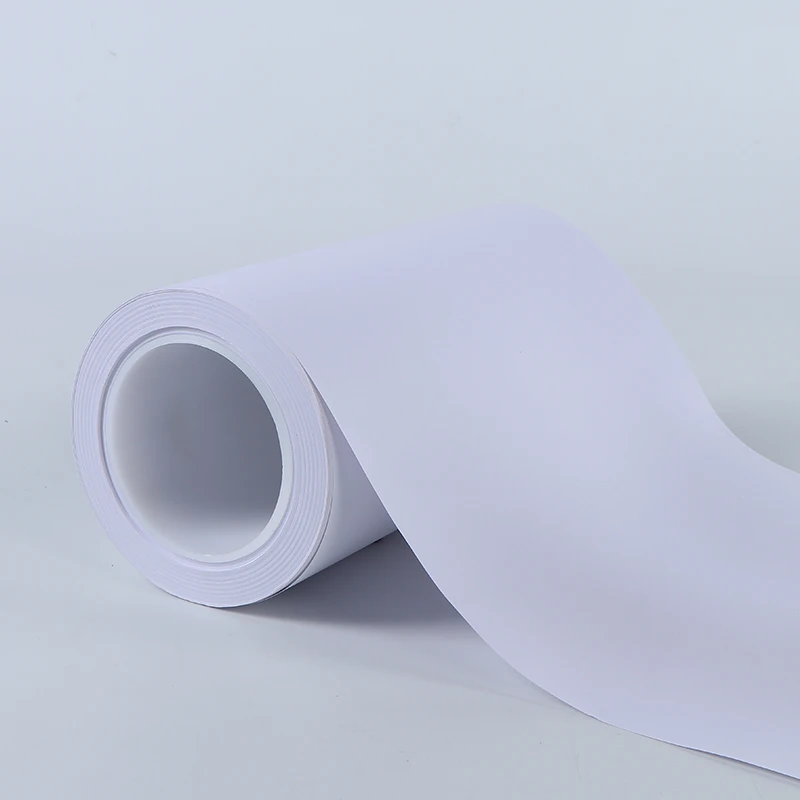
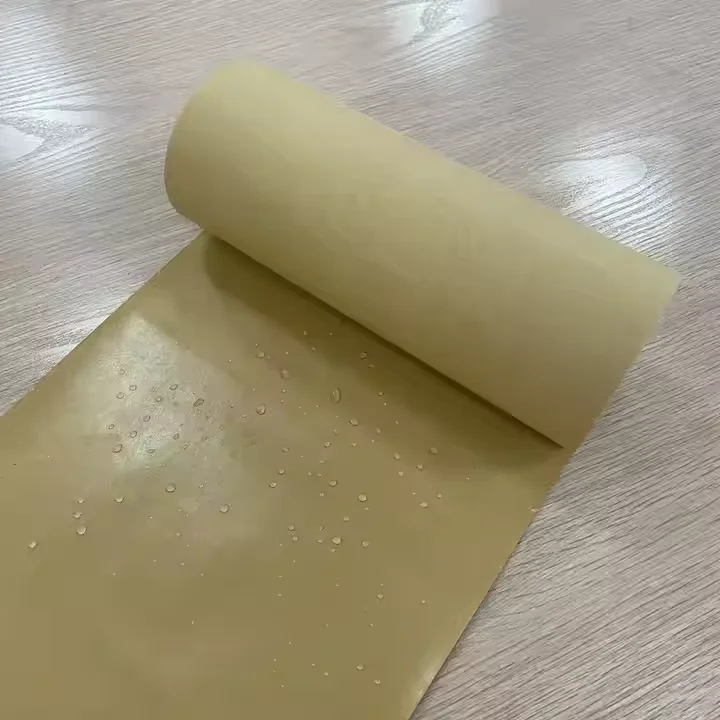
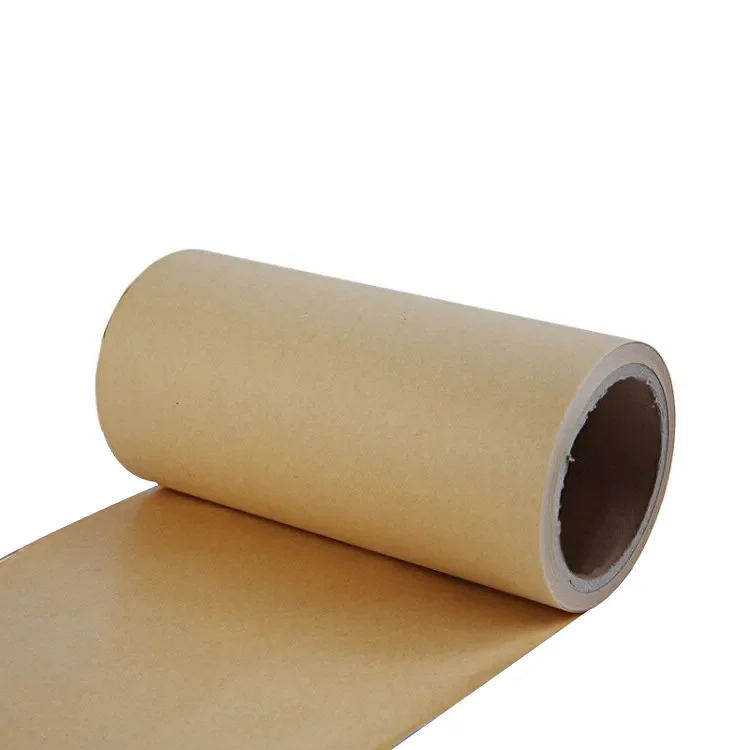
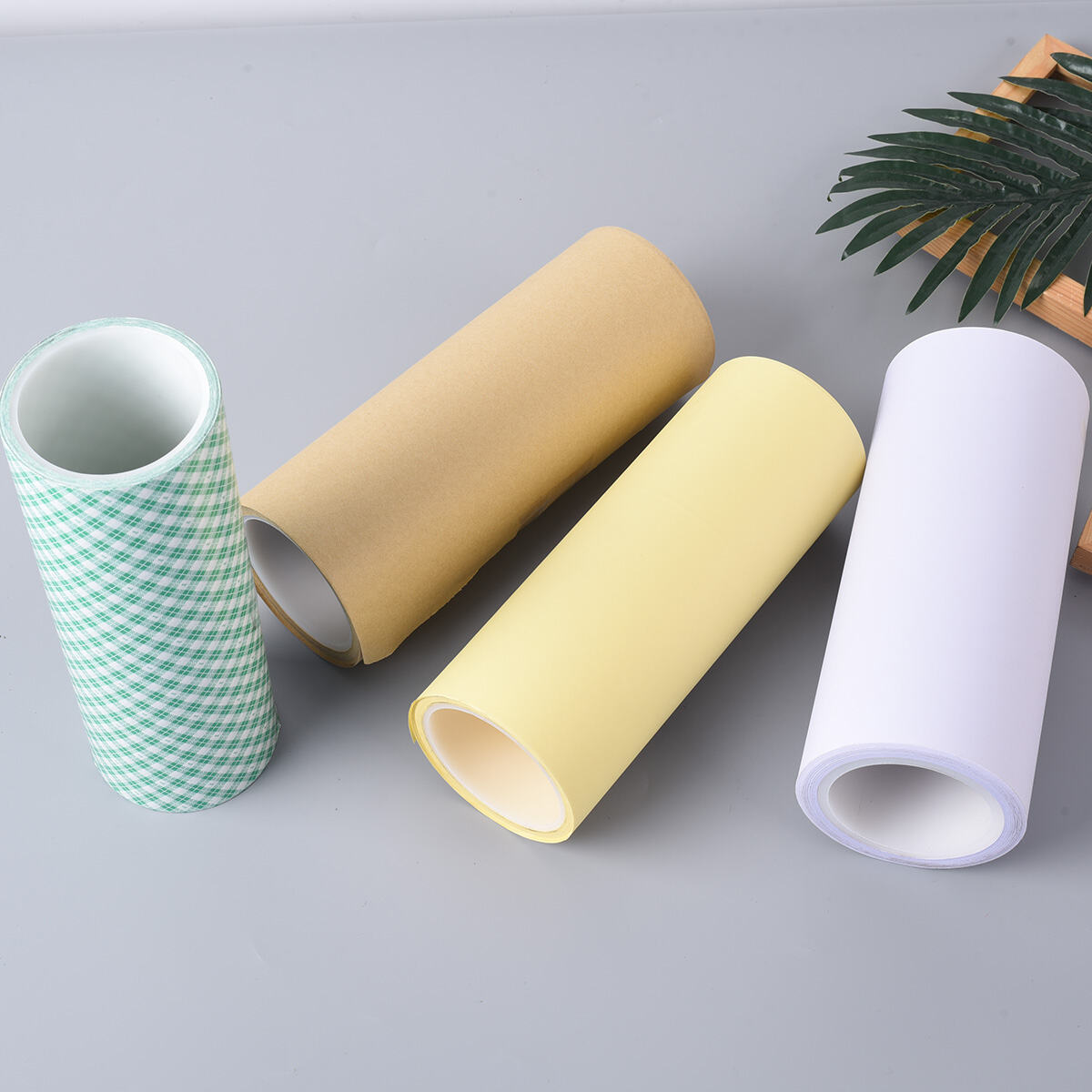
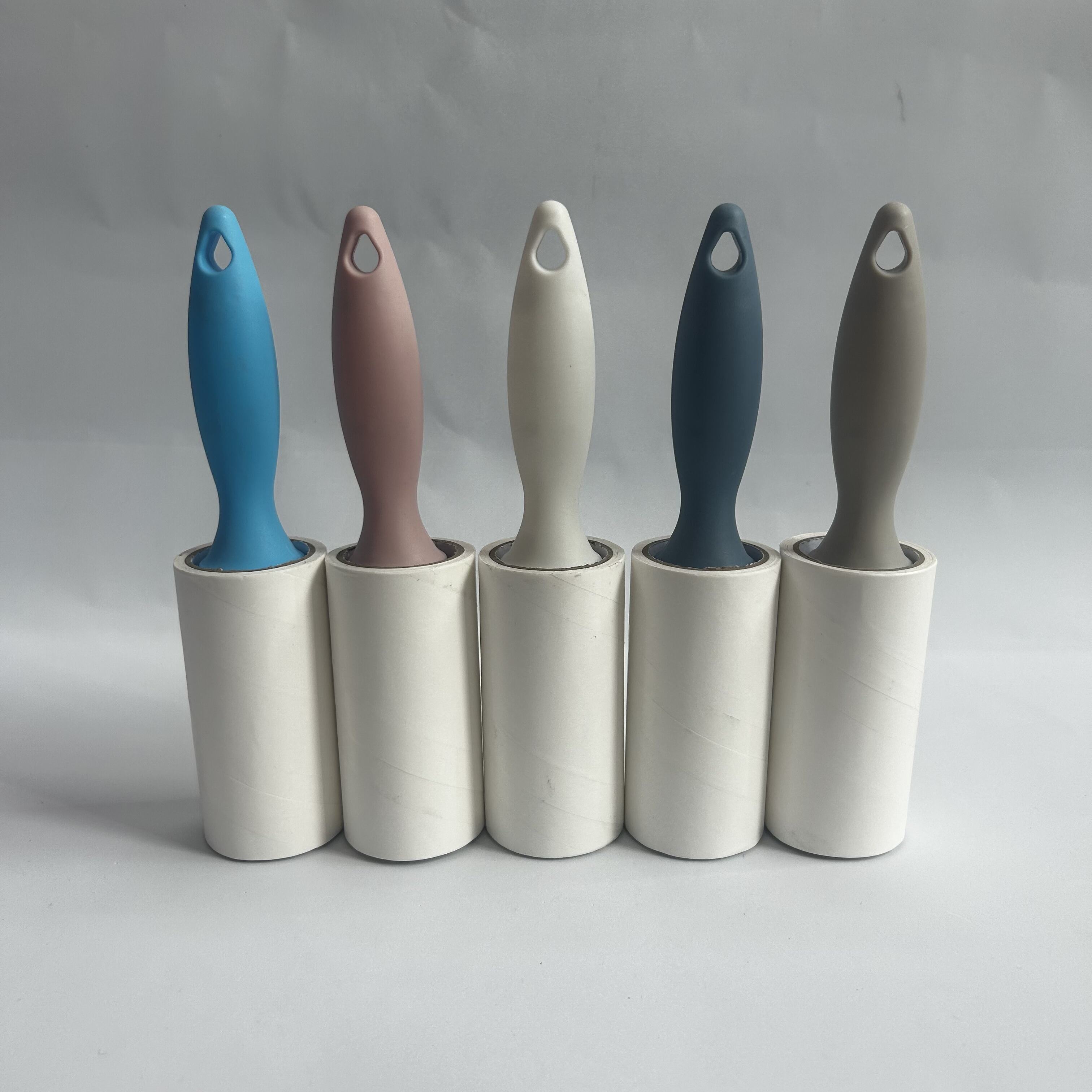
Glassine paper printing demonstrates remarkable versatility across diverse industries and applications, providing manufacturing flexibility that adapts to evolving business needs and market demands. The material's unique combination of transparency, strength, and printability makes it suitable for an extensive range of products, from pharmaceutical packaging requiring sterile barriers to decorative applications demanding aesthetic excellence. Manufacturing processes benefit from the material's consistent feed characteristics and dimensional stability, which reduce machine downtime and improve production efficiency across various printing equipment types. The adaptability to different printing methods, including offset, digital, flexographic, and screen printing, provides businesses with options to optimize production based on run lengths, complexity, and cost considerations. Custom sizing capabilities accommodate virtually any dimension requirement, from small labels to large format applications, eliminating the need for multiple material types in diverse product lines. Converting processes such as die-cutting, perforation, and folding work seamlessly with glassine, enabling complex packaging designs and functional features that enhance user experience. The material's strength-to-weight ratio supports lightweight packaging solutions that reduce shipping costs while maintaining protective properties, contributing to overall supply chain efficiency. Temperature resistance ensures reliable performance across various manufacturing environments and end-use conditions, from heated sealing processes to cold storage applications. Quality consistency across production batches minimizes variability concerns and reduces the need for frequent quality adjustments, streamlining manufacturing operations. Inventory management becomes simplified through the material's stable shelf life and resistance to environmental factors that could compromise other printing substrates. Scalability advantages allow businesses to efficiently transition from prototype quantities to high-volume production without changing materials or processes, supporting business growth and market expansion. The compatibility with automated packaging systems reduces labor costs and increases throughput while maintaining quality standards. Innovation opportunities expand through the material's ability to incorporate functional features such as tear strips, easy-open designs, and tamper-evident properties. Cost optimization occurs through reduced waste generation, improved yield rates, and eliminated need for secondary processes like lamination or coating. Market responsiveness improves due to shorter lead times and simplified specification management across multiple product categories.
 EN
EN