Versatile Manufacturing and Processing Capabilities
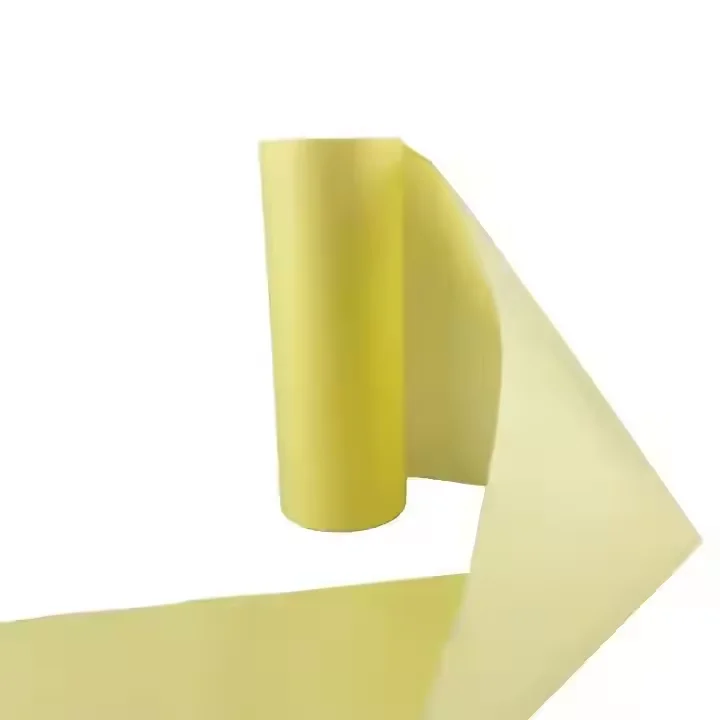
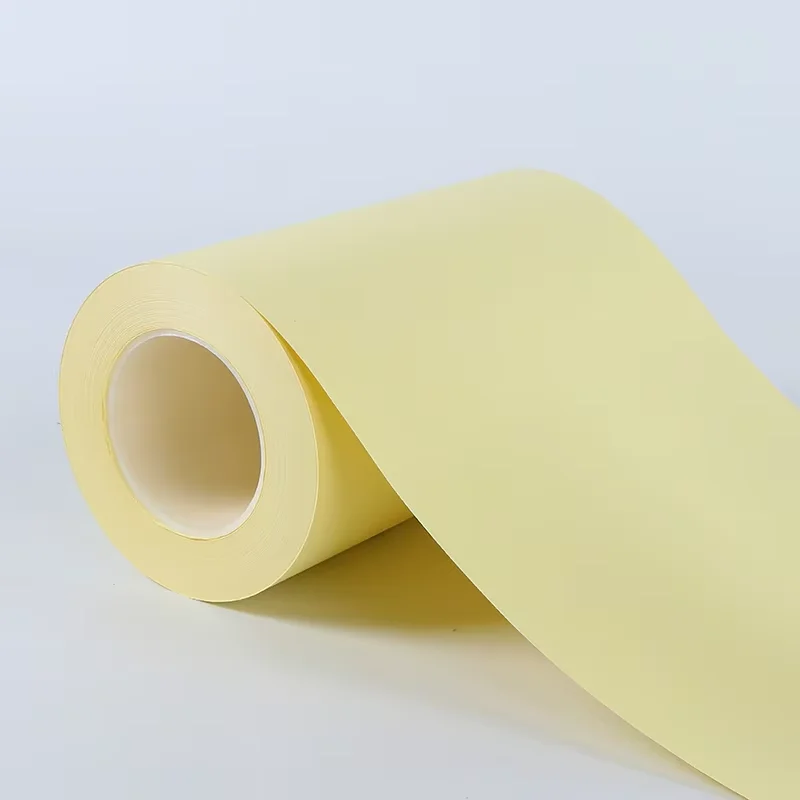
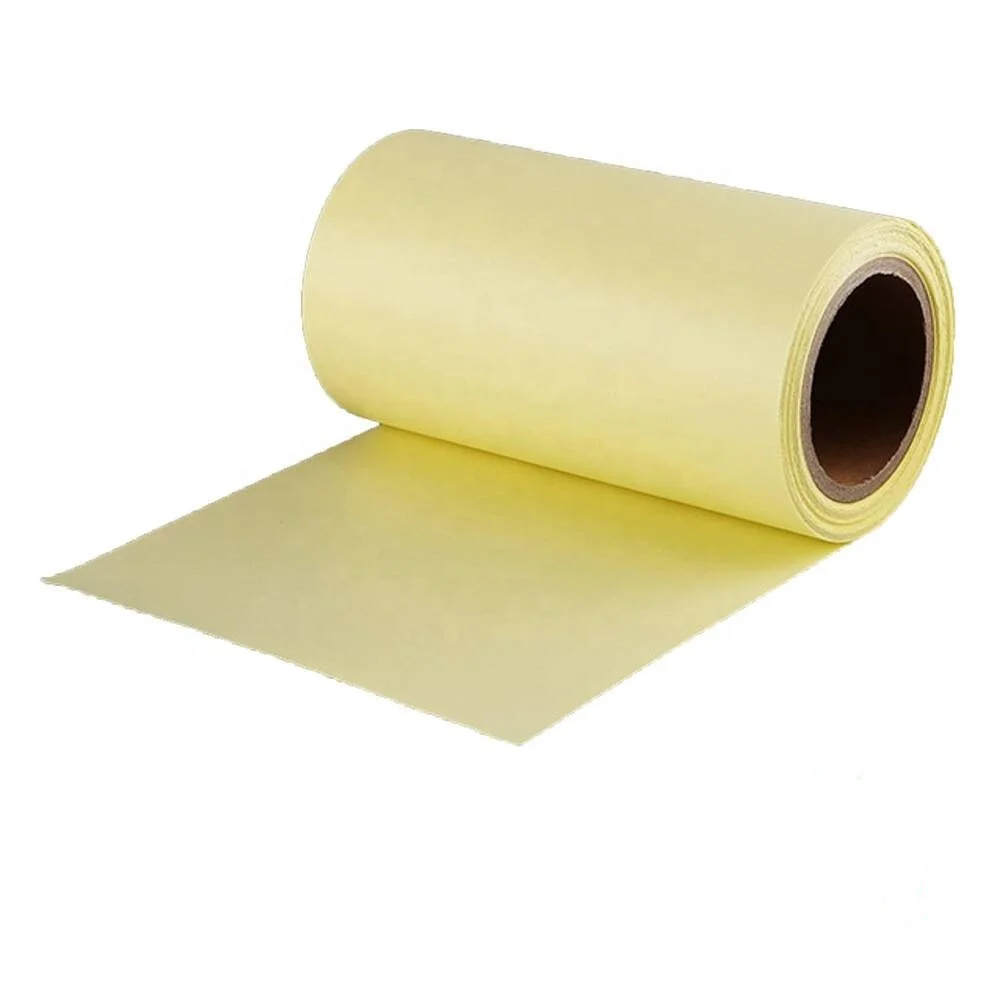
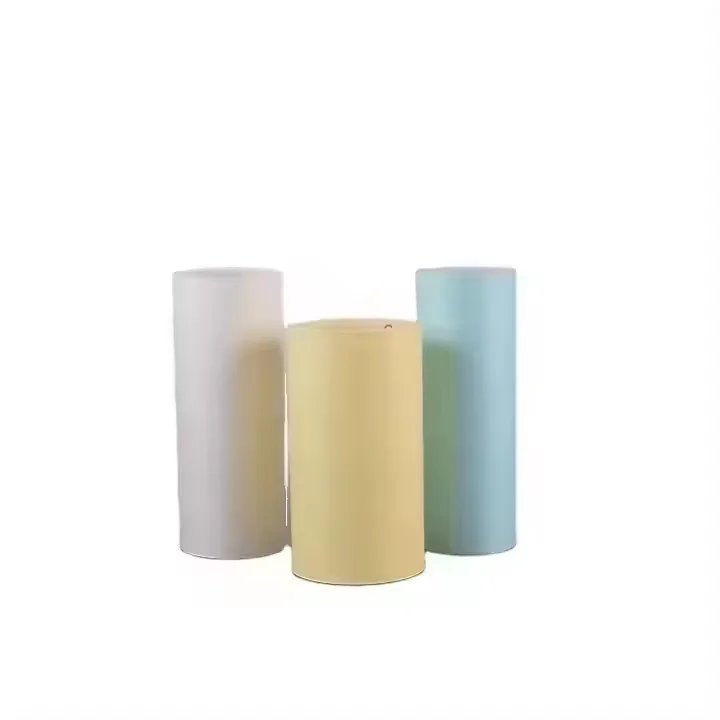
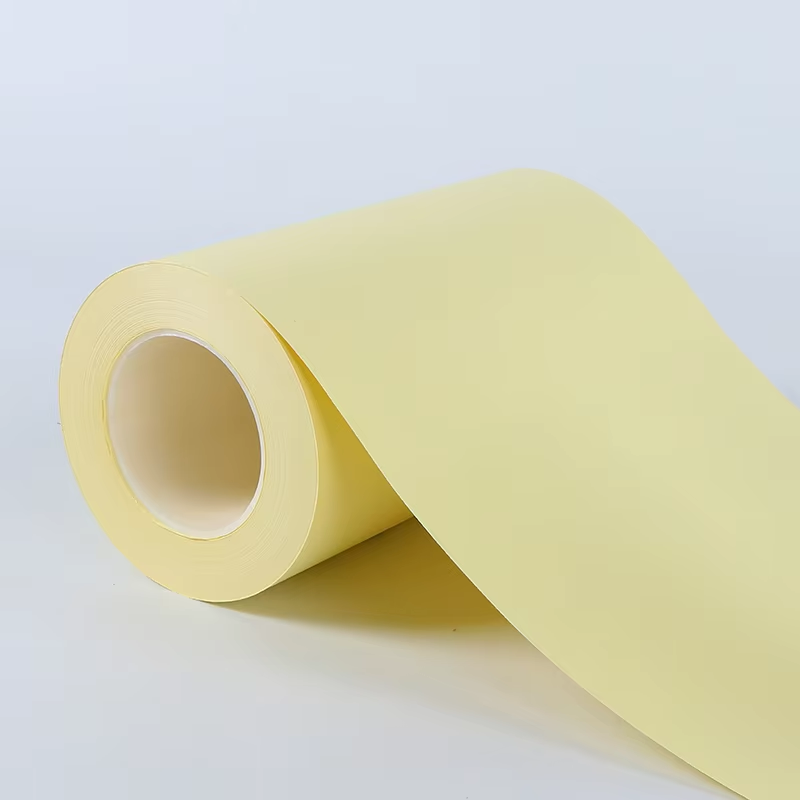
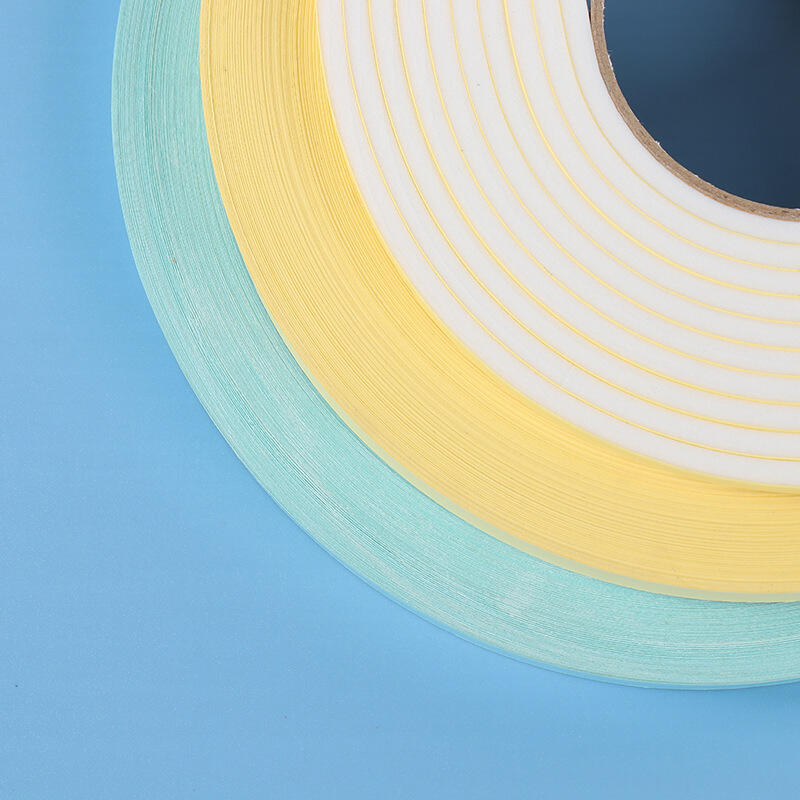
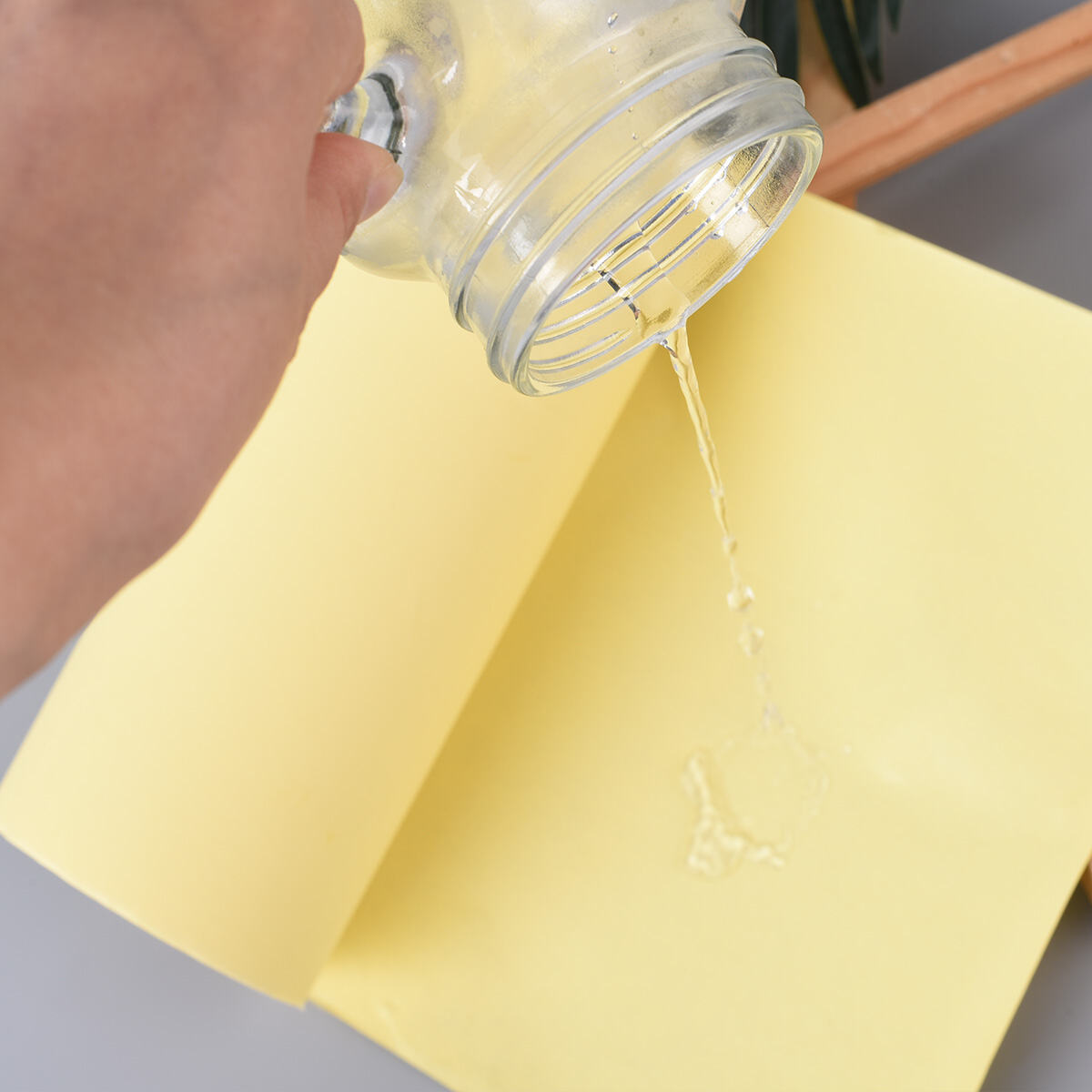
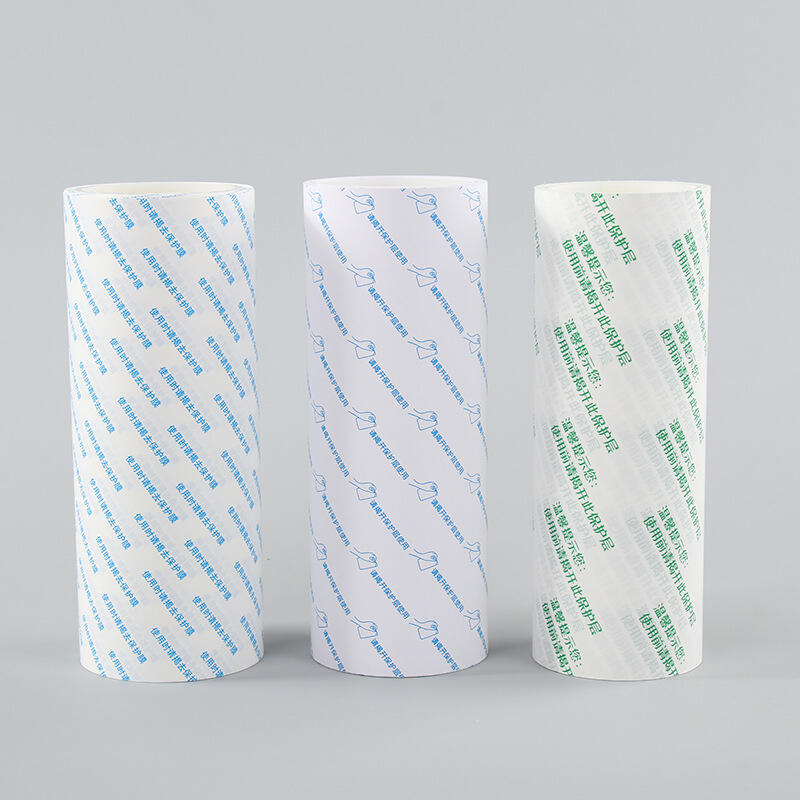
The exceptional manufacturing versatility of silicone coated release paper enables its adaptation to diverse production processes and specialized applications across multiple industries, providing manufacturers with a single material solution that can meet varied performance requirements. Advanced coating technologies allow for precise control over silicone layer thickness, typically ranging from 0.5 to 5.0 grams per square meter, enabling customization of release characteristics to match specific application needs. The coating process can be tailored to create differential release properties across the same substrate, allowing for graduated release forces that facilitate progressive adhesive removal or staged assembly processes. Die-cutting capabilities of silicone coated release paper enable precise shaping and sizing for component applications, with clean edge cuts that maintain release properties right to the material edge without delamination or coating damage. The material demonstrates excellent compatibility with various printing technologies, including flexographic, digital, and screen printing methods, allowing for product identification, branding, or instructional graphics to be applied directly to the release surface. Laminating capabilities enable the combination of silicone coated release paper with other materials to create composite structures for specialized applications, such as carrier tapes for electronic components or protective films for sensitive surfaces. Converting processes including slitting, rewinding, and sheeting can be performed with standard equipment, making integration into existing production lines straightforward and cost-effective. The material exhibits excellent dimensional stability during converting operations, maintaining consistent width and length measurements that are critical for automated application equipment. Perforation capabilities allow for easy tear-off sections in packaging applications, while maintaining release integrity in non-perforated areas. The base paper selection can be optimized for specific processing requirements, with options including clay-coated papers for enhanced smoothness, kraft papers for strength applications, or specialty grades for food contact applications. Surface treatment options enable enhanced printability, improved adhesive compatibility, or specialized performance characteristics such as antistatic properties for electronic applications. Roll formation capabilities accommodate various core sizes and roll dimensions to match customer equipment specifications and handling requirements. Quality control systems monitor converting parameters to ensure consistent slit width accuracy, edge quality, and roll formation characteristics. The processing versatility extends to secondary operations such as label die-cutting, tape slitting, and component assembly, where silicone coated release paper serves as both a processing aid and integral component of the final product. Customization options include specialty colors, opacity levels, and surface textures that meet specific application requirements while maintaining superior release performance characteristics.
 EN
EN