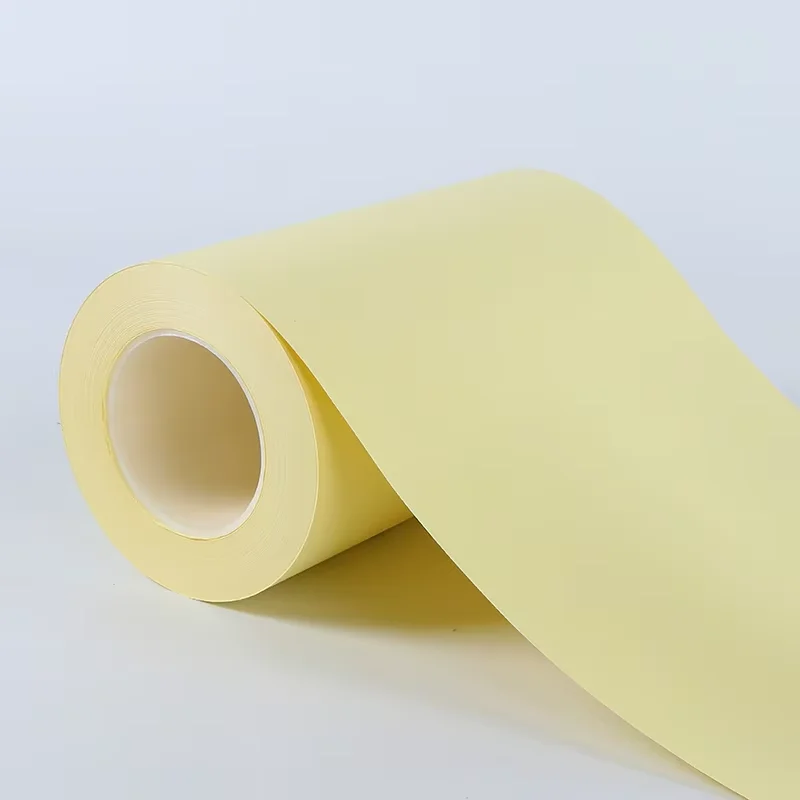
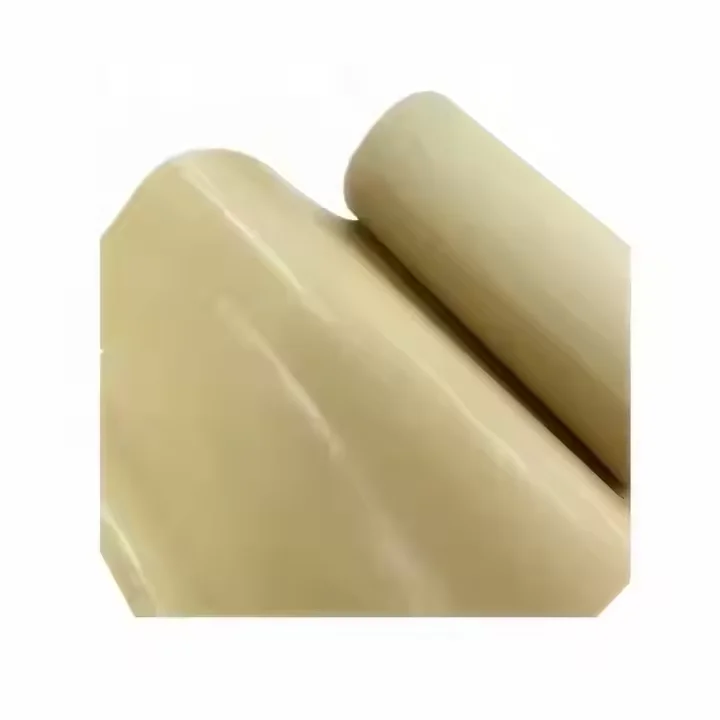
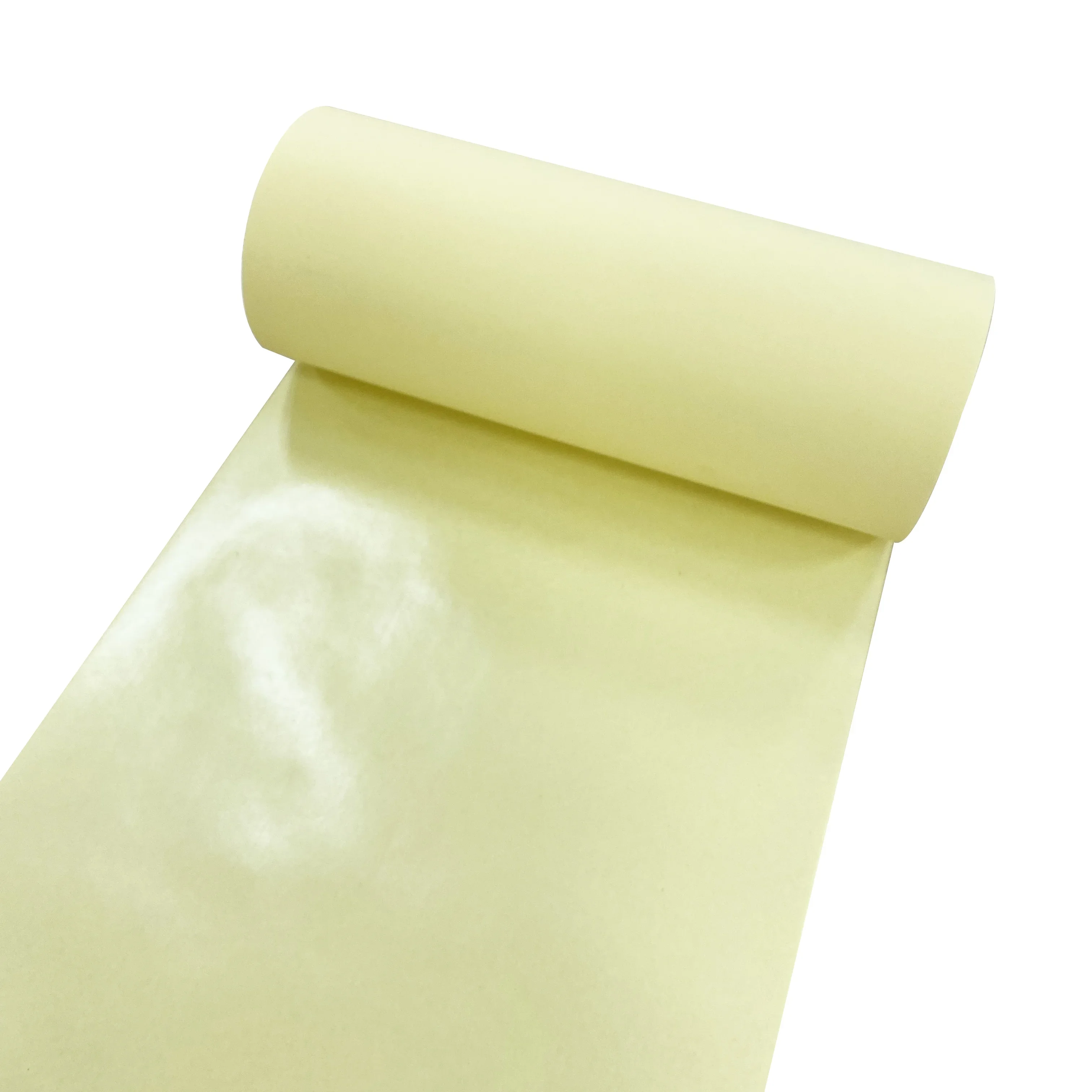
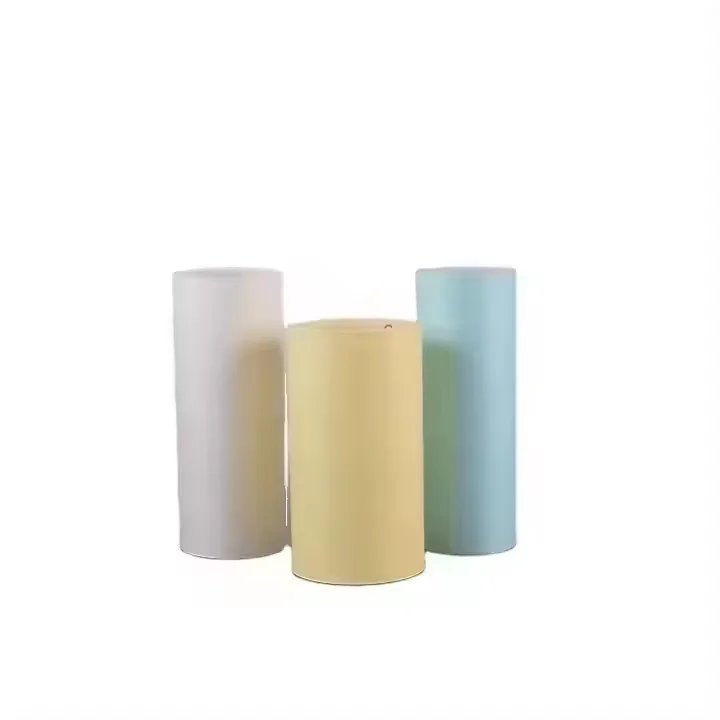
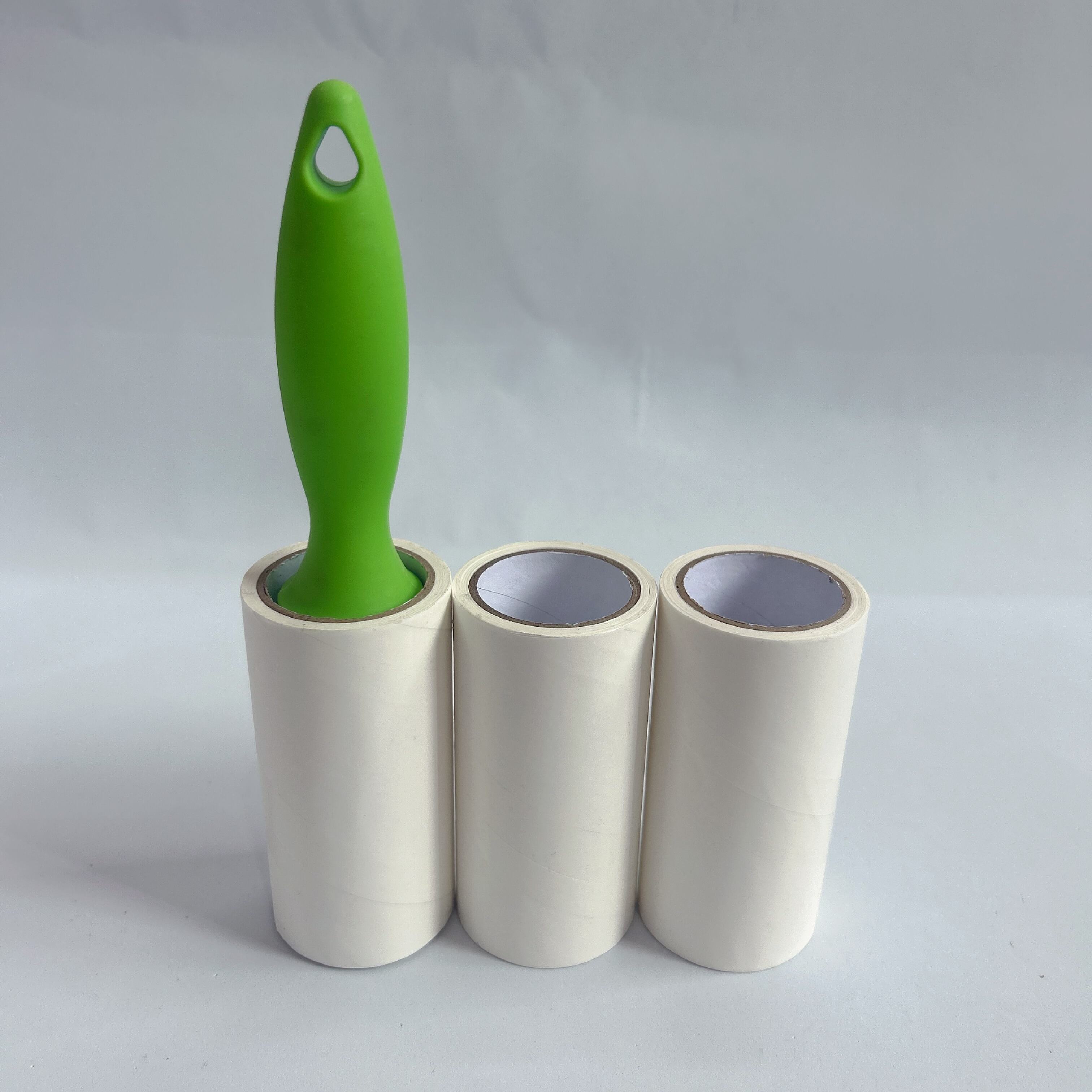
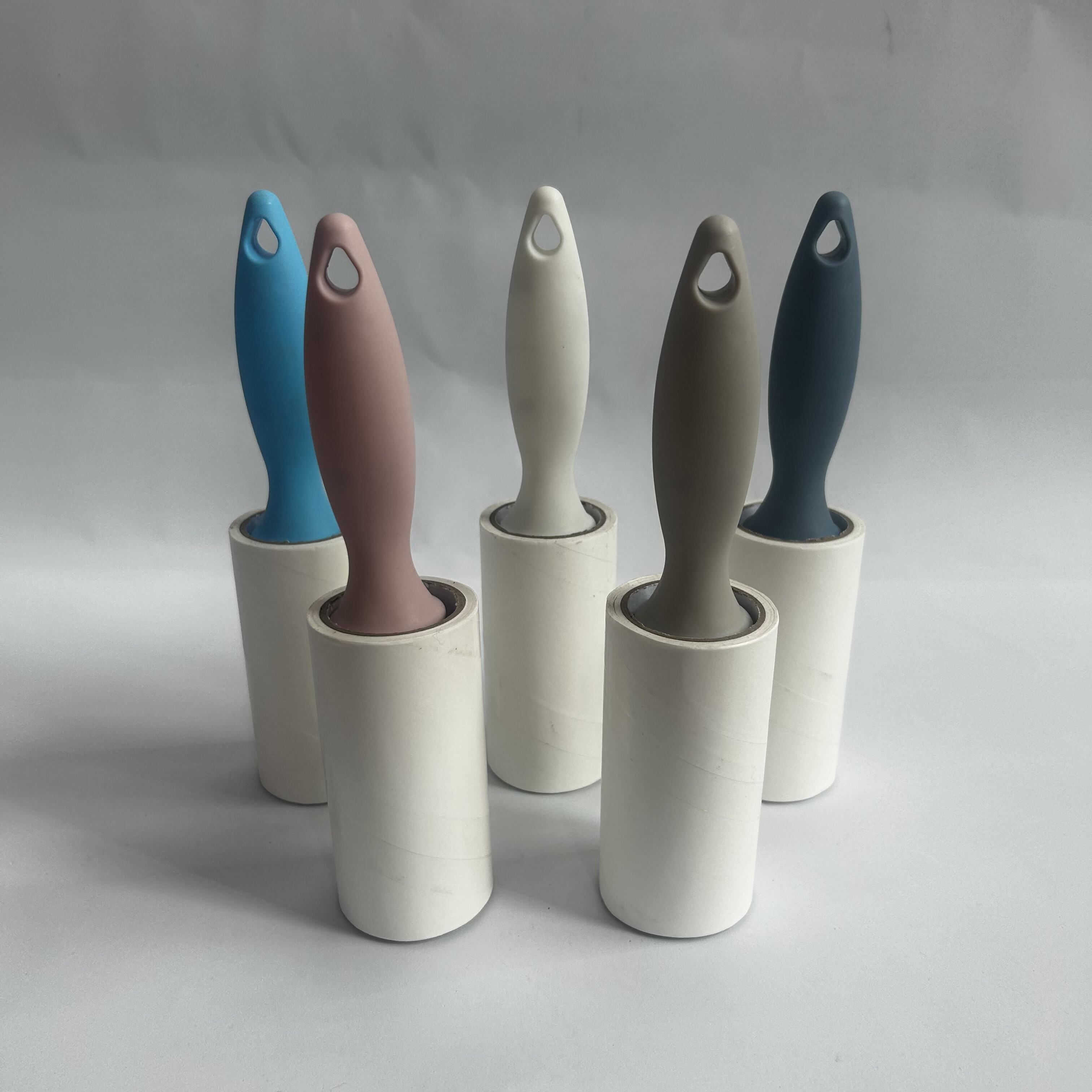
single side coated liner paper
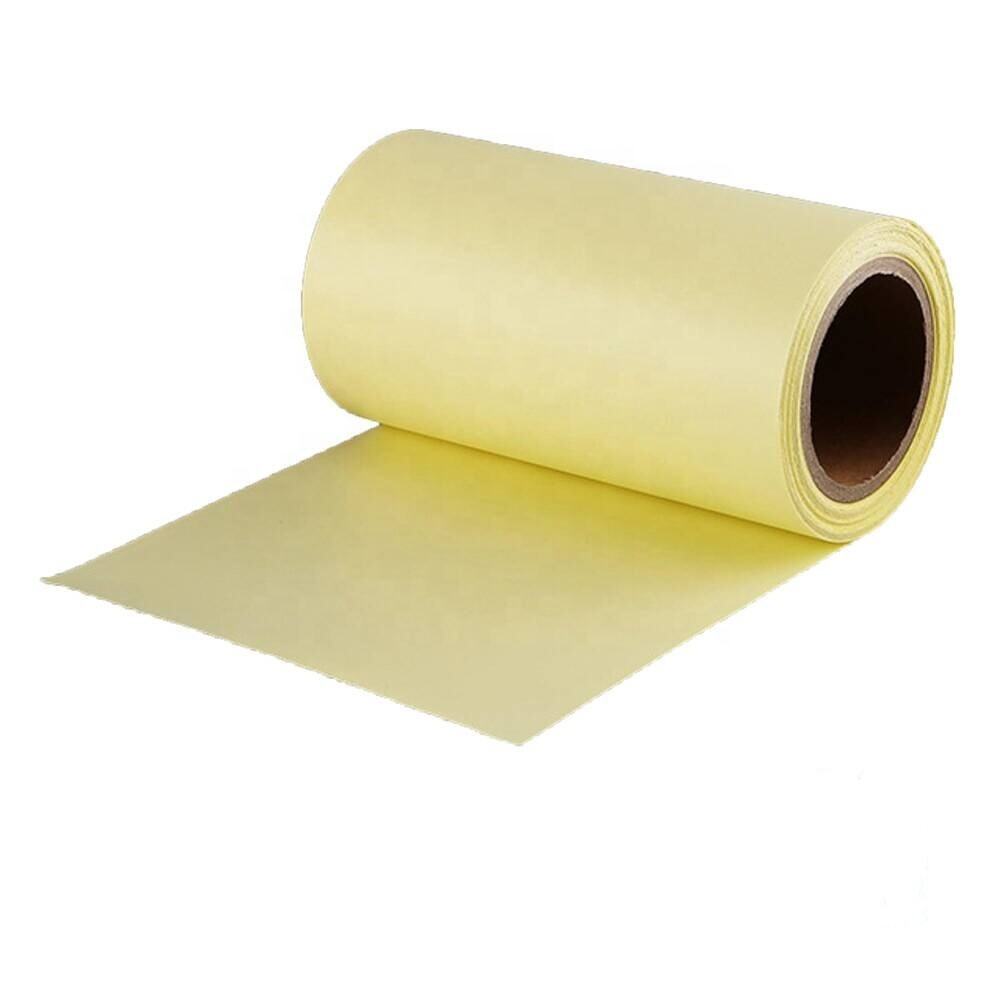
Single side coated liner paper represents a specialized packaging material that combines superior functionality with cost-effective manufacturing processes. This innovative paper product features a smooth, coated surface on one side while maintaining an uncoated reverse side, creating a versatile solution for numerous industrial and commercial applications. The coating process involves applying a thin layer of mineral-based compounds, typically including calcium carbonate, clay, and binding agents, which transforms the paper's surface characteristics and performance capabilities. The single side coated liner paper serves as an essential component in various packaging systems, particularly in corrugated box manufacturing, where it functions as the outer facing material that provides both structural integrity and visual appeal. The technological foundation of this material relies on advanced coating techniques that ensure uniform distribution of the coating mixture across the paper surface, resulting in consistent thickness and quality throughout the entire sheet. Manufacturing facilities utilize precision coating equipment that controls temperature, pressure, and coating weight to achieve optimal product specifications. The base paper substrate undergoes careful preparation before the coating application, ensuring proper adhesion and surface uniformity. Quality control measures throughout the production process monitor various parameters including coating weight, moisture content, smoothness, and print receptivity. The single side coated liner paper typically exhibits enhanced printability compared to uncoated alternatives, making it ideal for applications requiring high-quality graphics, text, or branding elements. The coated surface provides improved ink holdout, resulting in sharper image reproduction and more vibrant colors. Additionally, the material demonstrates excellent dimensional stability under various environmental conditions, maintaining its structural properties across temperature and humidity fluctuations. The manufacturing process incorporates sustainability considerations, with many producers utilizing recycled fiber content and implementing environmentally responsible coating formulations that minimize environmental impact while maintaining performance standards.
 EN
EN