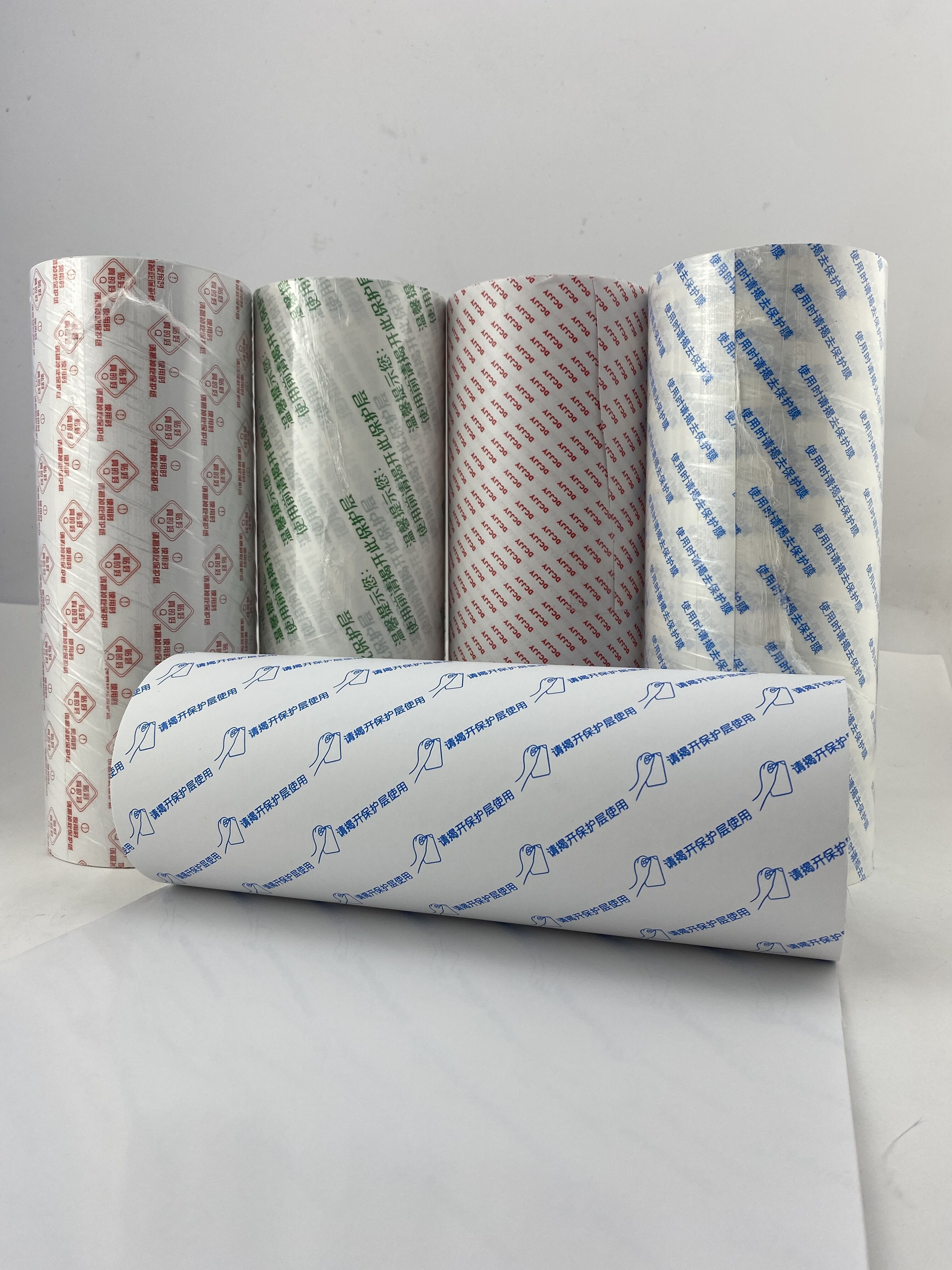
Exceptional Temperature and Chemical Resistance
The remarkable resistance properties of silicone release paper establish it as the preferred solution for demanding industrial applications where extreme conditions would compromise alternative materials. Temperature resistance capabilities extend from sub-zero storage conditions to processing temperatures exceeding 250 degrees Celsius, maintaining consistent release performance throughout this extensive range without degradation or performance loss. This thermal stability results from the inherent molecular structure of silicone polymers, which exhibit exceptional resistance to thermal breakdown and maintain their physical properties under extreme heat exposure. Manufacturing processes involving high-temperature curing, molding, or processing operations benefit tremendously from this temperature resistance, as conventional release materials often fail, stick, or decompose under such conditions. The chemical resistance properties provide equal importance, protecting against aggressive solvents, acids, bases, and reactive chemicals commonly encountered in industrial environments. This chemical inertness prevents coating dissolution, swelling, or chemical reaction that could compromise release performance or contaminate processed materials. Industries processing chemicals, pharmaceuticals, or corrosive substances rely on this resistance to maintain product purity and prevent cross-contamination issues. The combination of temperature and chemical resistance enables silicone release paper to function effectively in the most challenging industrial environments, including chemical processing facilities, high-temperature manufacturing operations, and corrosive atmospheres where alternative materials would quickly fail. This durability translates into significant cost savings through reduced material replacement frequency, decreased maintenance requirements, and eliminated production interruptions caused by material failure. The resistance properties also contribute to worker safety by eliminating the need for frequent material changes in hazardous environments and reducing exposure to failed materials that might release harmful substances. Quality assurance benefits include maintained product purity, consistent processing conditions, and reliable performance metrics that enable manufacturers to meet stringent regulatory requirements. The long-term stability provided by these resistance characteristics ensures predictable operating costs and enables accurate production planning without concerns about material performance variations due to environmental factors.
 EN
EN